Birdr

Common Scoter vs Great Crested Grebe

Melanitta nigra versus Podiceps cristatus

Play a quiz with Common Scoter and Great Crested Grebe
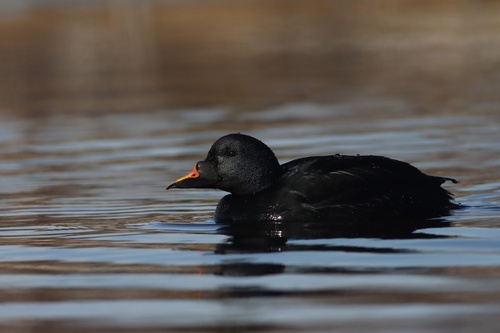
Common Scoter (Melanitta nigra) Common Scoter
Great Crested Grebe (Podiceps cristatus) Great Crested Grebe

Media

Loading…

In short

The Common Scoter and Great Crested Grebe are distinct in appearance and behavior. The Common Scoter is a sooty black duck with a yellow patch on its bill, while the Great Crested Grebe is a large waterbird with a distinctive head crest and white face. They differ significantly in habitat preference and vocalizations.

Identification tips

1. Bill and Face: Look for the yellow patch on the Common Scoter's bill and the distinctive head crest and white face of the Great Crested Grebe. 2. Habitat: Common Scoters are more likely to be seen at sea, while Great Crested Grebes are found on freshwater bodies. 3. Behavior: Note the flight pattern and swimming style; Common Scoters have a direct flight and long-necked appearance, whereas Great Crested Grebes are known for diving and elaborate courtship displays.

Size

The Common Scoter is a medium-sized duck, measuring 43–54 cm in length, while the Great Crested Grebe is slightly larger, typically around 46–51 cm.

Plumage

The Common Scoter is predominantly sooty black with a yellow patch on the male's bill, whereas the Great Crested Grebe has a striking head crest, white face, and a rufous neck during the breeding season.

Behaviour

Common Scoters are often seen in fast, direct flight and have a long-necked appearance on water. Great Crested Grebes are known for their elaborate courtship displays and are more often observed diving and swimming.

Habitat

Common Scoters are typically found at sea, while Great Crested Grebes prefer freshwater lakes and ponds.

Voice

Common Scoters are usually silent but can produce thin, piping whistles. Great Crested Grebes have a variety of calls, including trills and growls, especially during the breeding season.

Submit a better description

Use the same sections as the comparison. Your text is published immediately.

The Common Scoter and Great Crested Grebe are distinct in appearance and behavior. The Common Scoter is a sooty black duck with a yellow patch on its bill, while the Great Crested Grebe is a large waterbird with a distinctive head crest and white face. They differ significantly in habitat preference and vocalizations.

1. Bill and Face: Look for the yellow patch on the Common Scoter's bill and the distinctive head crest and white face of the Great Crested Grebe. 2. Habitat: Common Scoters are more likely to be seen at sea, while Great Crested Grebes are found on freshwater bodies. 3. Behavior: Note the flight pattern and swimming style; Common Scoters have a direct flight and long-necked appearance, whereas Great Crested Grebes are known for diving and elaborate courtship displays.

The Common Scoter is a medium-sized duck, measuring 43–54 cm in length, while the Great Crested Grebe is slightly larger, typically around 46–51 cm.

The Common Scoter is predominantly sooty black with a yellow patch on the male's bill, whereas the Great Crested Grebe has a striking head crest, white face, and a rufous neck during the breeding season.

Common Scoters are often seen in fast, direct flight and have a long-necked appearance on water. Great Crested Grebes are known for their elaborate courtship displays and are more often observed diving and swimming.

Common Scoters are typically found at sea, while Great Crested Grebes prefer freshwater lakes and ponds.

Common Scoters are usually silent but can produce thin, piping whistles. Great Crested Grebes have a variety of calls, including trills and growls, especially during the breeding season.

Discard your changes?

You have unsaved edits. If you leave now, those changes will be lost.

Common Scoter · Great Crested Grebe · My Tricky Birds