Birdr

Common Snipe vs Common Sandpiper

Gallinago gallinago versus Actitis hypoleucos

Play a quiz with Common Snipe and Common Sandpiper
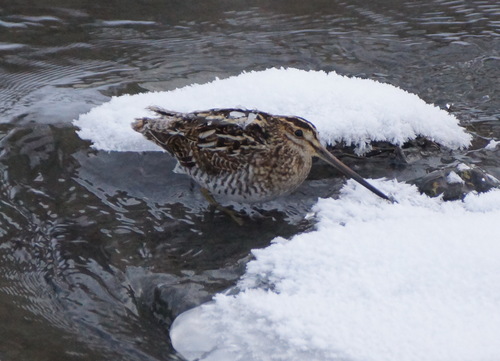
Common Snipe (Gallinago gallinago) Common Snipe
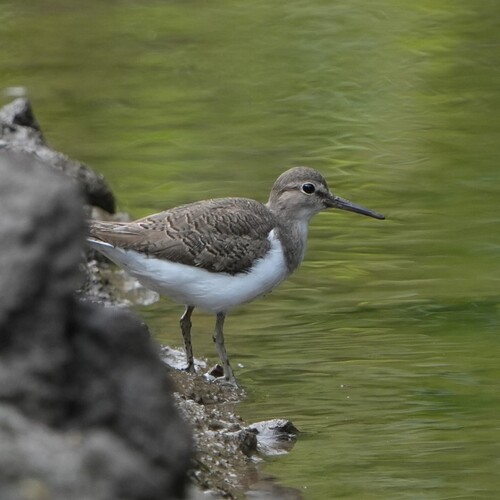
Common Sandpiper (Actitis hypoleucos) Common Sandpiper

Media

Loading…

In short

The Common Snipe and Common Sandpiper are both small, brownish waders, but they can be distinguished by their structure and behavior. The Common Snipe has a long, straight bill and a distinctive zigzag flight pattern, while the Common Sandpiper has a shorter bill and a characteristic bobbing motion when walking.

Identification tips

  1. Bill Length: The Common Snipe has a long, straight bill; the Common Sandpiper's bill is shorter. 2. Flight Pattern: Look for the Common Snipe's zigzag flight when flushed. 3. Behavior: Note the Common Sandpiper's distinctive tail bobbing. 4. Plumage: Check for the Common Snipe's striped head versus the Common Sandpiper's pale eye-ring. 5. Calls: Listen for the Common Snipe's 'tchik' versus the Common Sandpiper's 'swee-wee-wee'.

Size

The Common Snipe is slightly larger with a longer bill compared to the smaller, short-legged Common Sandpiper.

Plumage

The Common Snipe has intricate brown and buff patterns with a striped head, while the Common Sandpiper has greenish-brown upperparts with a pale eye-ring and dark lateral breast patches.

Behaviour

The Common Snipe often performs a zigzag flight when flushed, whereas the Common Sandpiper is known for its constant tail bobbing when walking.

Habitat

Both species can be found near water, but the Common Snipe prefers marshy areas, while the Common Sandpiper is often seen along shorelines and riverbanks.

Voice

The Common Snipe's call is a sharp 'tchik', often heard in flight, while the Common Sandpiper's call is a quick, shrill 'swee-wee-wee' series.

Submit a better description

Use the same sections as the comparison. Your text is published immediately.

The Common Snipe and Common Sandpiper are both small, brownish waders, but they can be distinguished by their structure and behavior. The Common Snipe has a long, straight bill and a distinctive zigzag flight pattern, while the Common Sandpiper has a shorter bill and a characteristic bobbing motion when walking.

  1. Bill Length: The Common Snipe has a long, straight bill; the Common Sandpiper's bill is shorter. 2. Flight Pattern: Look for the Common Snipe's zigzag flight when flushed. 3. Behavior: Note the Common Sandpiper's distinctive tail bobbing. 4. Plumage: Check for the Common Snipe's striped head versus the Common Sandpiper's pale eye-ring. 5. Calls: Listen for the Common Snipe's 'tchik' versus the Common Sandpiper's 'swee-wee-wee'.

The Common Snipe is slightly larger with a longer bill compared to the smaller, short-legged Common Sandpiper.

The Common Snipe has intricate brown and buff patterns with a striped head, while the Common Sandpiper has greenish-brown upperparts with a pale eye-ring and dark lateral breast patches.

The Common Snipe often performs a zigzag flight when flushed, whereas the Common Sandpiper is known for its constant tail bobbing when walking.

Both species can be found near water, but the Common Snipe prefers marshy areas, while the Common Sandpiper is often seen along shorelines and riverbanks.

The Common Snipe's call is a sharp 'tchik', often heard in flight, while the Common Sandpiper's call is a quick, shrill 'swee-wee-wee' series.

Discard your changes?

You have unsaved edits. If you leave now, those changes will be lost.

Common Snipe · Common Sandpiper · My Tricky Birds