Common Woodshrike vs Rufous-winged Philentoma
Tephrodornis pondicerianus versus Philentoma pyrhoptera
Play a quiz with Common Woodshrike and Rufous-winged Philentoma
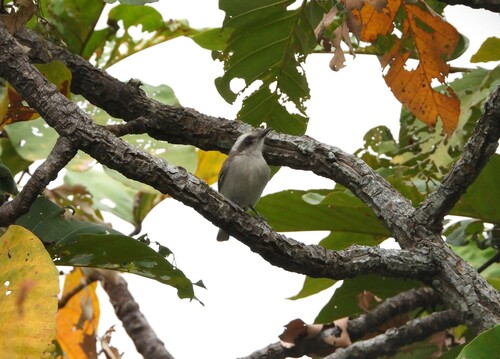
Common Woodshrike
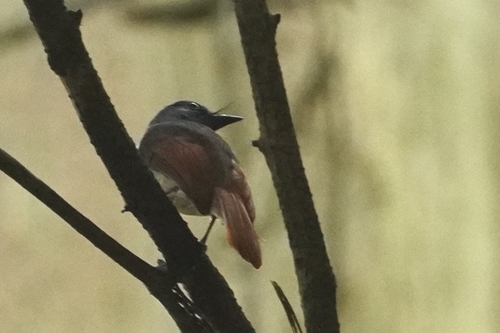
Rufous-winged Philentoma
In short
The Common Woodshrike and Rufous-winged Philentoma can be distinguished by their structural differences and plumage details. The Woodshrike has a more robust bill and a less pronounced rufous tone on the wings compared to the Philentoma. Both species share similar habitats but have distinct vocalizations.
Identification tips
- Bill shape: Look for the more robust bill of the Common Woodshrike.
- Wing color: Note the rufous tone on the wings; more pronounced in the Rufous-winged Philentoma.
- Vocalizations: Listen for the complex song of the Woodshrike versus the simpler calls of the Philentoma.
- Habitat preference: Consider the habitat; dense humid forests may indicate the presence of the Philentoma.
Size
Both species are similar in size, but the Common Woodshrike tends to appear slightly bulkier due to its more robust structure.
Plumage
The Common Woodshrike has a generally grey-brown plumage with less rufous on the wings, whereas the Rufous-winged Philentoma displays more pronounced rufous coloring on its wings and a slightly more contrasting plumage overall.
Behaviour
Both species are active foragers, often seen moving through the mid to upper canopy, but the Woodshrike may appear more deliberate in its movements.
Habitat
Both species inhabit similar forested environments, but the Rufous-winged Philentoma is more often associated with dense, humid forests, while the Common Woodshrike can be found in a wider range of wooded habitats.
Voice
The Common Woodshrike has a more varied and complex song compared to the simpler, more repetitive calls of the Rufous-winged Philentoma.
Common Woodshrike · Rufous-winged Philentoma · My Tricky Birds