Birdr

Desert Lark vs Turkestan Short-toed Lark

Ammomanes deserti versus Alaudala heinei

Play a quiz with Desert Lark and Turkestan Short-toed Lark
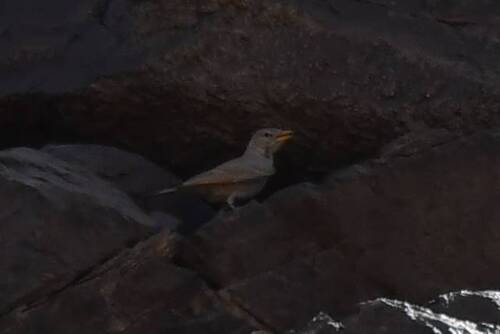
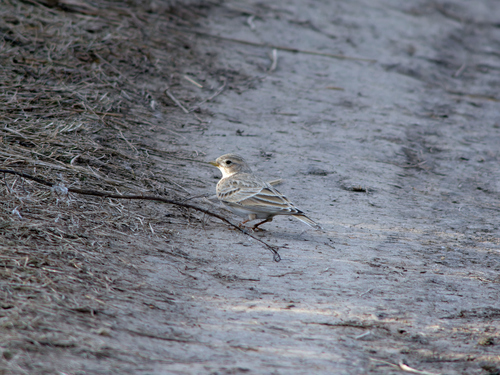
Desert Lark (Ammomanes deserti) Desert Lark
Turkestan Short-toed Lark (Alaudala heinei) Turkestan Short-toed Lark

Media

Loading…

In short

Desert Lark and Turkestan Short-toed Lark can be tricky to differentiate, but the bill shape and size are key: Desert Lark has a thicker, more robust bill compared to the slender bill of the Turkestan Short-toed Lark. Plumage differences are subtle, so focus on structure and habitat preferences.

Identification tips

  1. Bill Shape: Look for the thicker bill of the Desert Lark. 2. Habitat: Note the environment; Desert Lark in rocky areas, Turkestan Short-toed Lark in open, saline habitats. 3. Behavior: Desert Lark is more solitary; Turkestan Short-toed Lark may be in flocks. 4. Song: Listen for the more complex song of the Desert Lark.

Size

Desert Lark is slightly larger and bulkier than the Turkestan Short-toed Lark.

Plumage

Both species have sandy brown plumage, but Desert Lark often appears paler and more uniform, while Turkestan Short-toed Lark may show more contrast with darker streaking on the upperparts.

Behaviour

Desert Lark tends to be more solitary and often seen walking on the ground, while Turkestan Short-toed Lark may be observed in small flocks, especially during migration.

Habitat

Desert Lark prefers arid, rocky environments, while Turkestan Short-toed Lark is found in open, often saline soils and is more migratory.

Voice

Desert Lark has a varied and melodious song, while Turkestan Short-toed Lark's song is simpler and more repetitive. Calls can be similar, so focus on song differences.

Submit a better description

Use the same sections as the comparison. Your text is published immediately.

Desert Lark and Turkestan Short-toed Lark can be tricky to differentiate, but the bill shape and size are key: Desert Lark has a thicker, more robust bill compared to the slender bill of the Turkestan Short-toed Lark. Plumage differences are subtle, so focus on structure and habitat preferences.

  1. Bill Shape: Look for the thicker bill of the Desert Lark. 2. Habitat: Note the environment; Desert Lark in rocky areas, Turkestan Short-toed Lark in open, saline habitats. 3. Behavior: Desert Lark is more solitary; Turkestan Short-toed Lark may be in flocks. 4. Song: Listen for the more complex song of the Desert Lark.

Desert Lark is slightly larger and bulkier than the Turkestan Short-toed Lark.

Both species have sandy brown plumage, but Desert Lark often appears paler and more uniform, while Turkestan Short-toed Lark may show more contrast with darker streaking on the upperparts.

Desert Lark tends to be more solitary and often seen walking on the ground, while Turkestan Short-toed Lark may be observed in small flocks, especially during migration.

Desert Lark prefers arid, rocky environments, while Turkestan Short-toed Lark is found in open, often saline soils and is more migratory.

Desert Lark has a varied and melodious song, while Turkestan Short-toed Lark's song is simpler and more repetitive. Calls can be similar, so focus on song differences.

Discard your changes?

You have unsaved edits. If you leave now, those changes will be lost.

Desert Lark · Turkestan Short-toed Lark · My Tricky Birds