Birdr

Desert Owl vs Omani Owl

Strix hadorami versus Strix butleri

Play a quiz with Desert Owl and Omani Owl
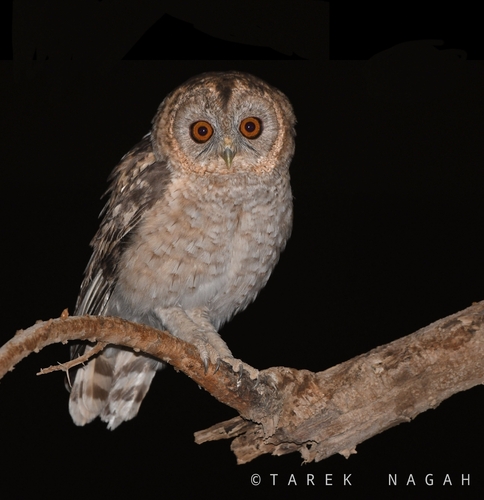
Desert Owl (Strix hadorami) Desert Owl
Omani Owl (Strix butleri) Omani Owl

Media

Loading…

In short

The Desert Owl and Omani Owl are similar in appearance, but can be distinguished by their habitat preferences and vocalizations. The Desert Owl is typically found in arid desert regions, while the Omani Owl prefers rocky mountainous areas. Their calls also differ, with the Desert Owl having a more varied vocal repertoire.

Identification tips

  1. Habitat: Check the environment; Desert Owls prefer deserts, while Omani Owls are in rocky mountains. 2. Vocalizations: Listen for the Desert Owl's varied calls compared to the Omani Owl's more monotonous sounds. 3. Plumage: Look for subtle differences in tone, with the Desert Owl potentially appearing paler, though this is less reliable.

Size

Both species are similar in size, making size an unreliable distinguishing feature.

Plumage

Plumage is quite similar between the two species, with both having mottled brown and grey tones. However, the Desert Owl may appear slightly paler, which can be subtle and unreliable in poor lighting.

Behaviour

Both species exhibit similar nocturnal behaviors typical of owls, such as roosting in secluded spots during the day and hunting at night.

Habitat

Desert Owls are found in arid desert environments, while Omani Owls are associated with rocky mountainous regions. This habitat preference is one of the more reliable distinguishing factors.

Voice

Desert Owls have a more varied vocal repertoire compared to the Omani Owl, which has a more monotonous call. Listening for these differences can aid in identification.

Submit a better description

Use the same sections as the comparison. Your text is published immediately.

The Desert Owl and Omani Owl are similar in appearance, but can be distinguished by their habitat preferences and vocalizations. The Desert Owl is typically found in arid desert regions, while the Omani Owl prefers rocky mountainous areas. Their calls also differ, with the Desert Owl having a more varied vocal repertoire.

  1. Habitat: Check the environment; Desert Owls prefer deserts, while Omani Owls are in rocky mountains. 2. Vocalizations: Listen for the Desert Owl's varied calls compared to the Omani Owl's more monotonous sounds. 3. Plumage: Look for subtle differences in tone, with the Desert Owl potentially appearing paler, though this is less reliable.

Both species are similar in size, making size an unreliable distinguishing feature.

Plumage is quite similar between the two species, with both having mottled brown and grey tones. However, the Desert Owl may appear slightly paler, which can be subtle and unreliable in poor lighting.

Both species exhibit similar nocturnal behaviors typical of owls, such as roosting in secluded spots during the day and hunting at night.

Desert Owls are found in arid desert environments, while Omani Owls are associated with rocky mountainous regions. This habitat preference is one of the more reliable distinguishing factors.

Desert Owls have a more varied vocal repertoire compared to the Omani Owl, which has a more monotonous call. Listening for these differences can aid in identification.

Discard your changes?

You have unsaved edits. If you leave now, those changes will be lost.

Desert Owl · Omani Owl · My Tricky Birds