Birdr

Dideric Cuckoo vs Protea Canary

Chrysococcyx caprius versus Crithagra leucoptera

Play a quiz with Dideric Cuckoo and Protea Canary
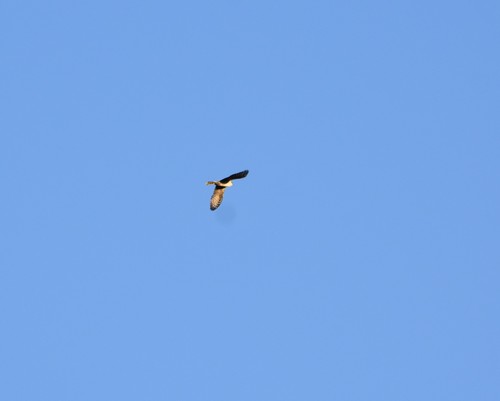
Dideric Cuckoo (Chrysococcyx caprius) Dideric Cuckoo
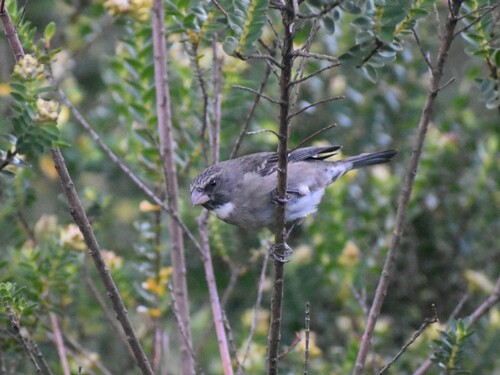
Protea Canary (Crithagra leucoptera) Protea Canary

Media

Loading…

In short

The Dideric Cuckoo and Protea Canary are distinct in both appearance and behavior. The cuckoo is a glossy, metallic bird often seen alone, while the canary is a small, social finch with a more subdued plumage. Their habitats overlap but their behaviors and vocalizations are notably different.

Identification tips

1. Look for the cuckoo's glossy green upperparts and white underparts, contrasting with the canary's more uniform plumage. 2. Note the cuckoo's solitary behavior compared to the canary's flocking habits. 3. Listen for the cuckoo's repetitive call versus the canary's melodic song. 4. Observe habitat preferences, with cuckoos often near water.

Size

The Dideric Cuckoo is generally larger and more slender than the smaller, stockier Protea Canary.

Plumage

The Dideric Cuckoo has a striking metallic green upperparts with a white underbelly, while the Protea Canary has a more uniform, muted yellowish-green plumage with white wing patches.

Behaviour

The Dideric Cuckoo is often solitary and secretive, whereas the Protea Canary is social, frequently seen in flocks.

Habitat

Both species can be found in similar habitats such as open woodlands and savannas, but the cuckoo is more likely to be found near water sources.

Voice

The Dideric Cuckoo has a distinctive, repetitive 'dee-dee-dee' call, while the Protea Canary's song is more varied and melodic.

Submit a better description

Use the same sections as the comparison. Your text is published immediately.

The Dideric Cuckoo and Protea Canary are distinct in both appearance and behavior. The cuckoo is a glossy, metallic bird often seen alone, while the canary is a small, social finch with a more subdued plumage. Their habitats overlap but their behaviors and vocalizations are notably different.

1. Look for the cuckoo's glossy green upperparts and white underparts, contrasting with the canary's more uniform plumage. 2. Note the cuckoo's solitary behavior compared to the canary's flocking habits. 3. Listen for the cuckoo's repetitive call versus the canary's melodic song. 4. Observe habitat preferences, with cuckoos often near water.

The Dideric Cuckoo is generally larger and more slender than the smaller, stockier Protea Canary.

The Dideric Cuckoo has a striking metallic green upperparts with a white underbelly, while the Protea Canary has a more uniform, muted yellowish-green plumage with white wing patches.

The Dideric Cuckoo is often solitary and secretive, whereas the Protea Canary is social, frequently seen in flocks.

Both species can be found in similar habitats such as open woodlands and savannas, but the cuckoo is more likely to be found near water sources.

The Dideric Cuckoo has a distinctive, repetitive 'dee-dee-dee' call, while the Protea Canary's song is more varied and melodic.

Discard your changes?

You have unsaved edits. If you leave now, those changes will be lost.

Dideric Cuckoo · Protea Canary · My Tricky Birds