Birdr

Dimorphic Fantail vs Sulawesi Fantail

Rhipidura brachyrhyncha versus Rhipidura teysmanni

Play a quiz with Dimorphic Fantail and Sulawesi Fantail
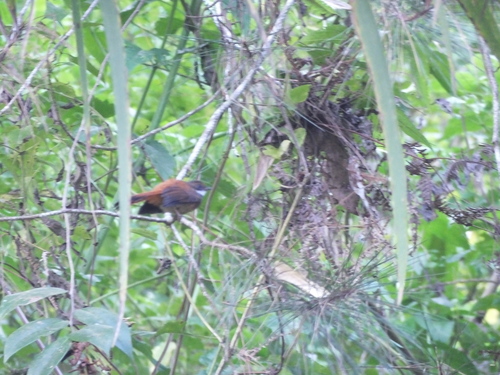
Dimorphic Fantail (Rhipidura brachyrhyncha) Dimorphic Fantail
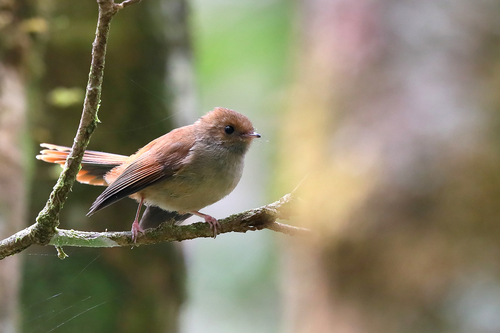
Sulawesi Fantail (Rhipidura teysmanni) Sulawesi Fantail

Media

Loading…

In short

The Dimorphic Fantail and Sulawesi Fantail are both small, active birds of the Rhipiduridae family, often confused due to their similar size and behavior. Key differences lie in their plumage and geographic distribution. Observers should focus on the distinct coloration and patterns of the plumage for accurate identification.

Identification tips

  1. Location: Confirm geographic range; the Dimorphic Fantail is not found on Sulawesi. 2. Plumage: Observe the tail and wing patterns; the Dimorphic Fantail may show more rufous tones. 3. Habitat: Consider the elevation and type of forest; the Dimorphic Fantail prefers higher elevations.

Size

Both species are similar in size, typical of small fantails, making size an unreliable distinguishing feature.

Plumage

The Dimorphic Fantail exhibits more variable plumage, often with a combination of rufous and grey tones, whereas the Sulawesi Fantail tends to have a more uniform greyish-brown appearance. Look for differences in tail patterning and wing markings.

Behaviour

Both species display typical fantail behavior, such as active tail fanning and agile flight, making behavior a less reliable distinguishing factor.

Habitat

The Dimorphic Fantail is found in montane forests, while the Sulawesi Fantail inhabits lowland and montane forests on Sulawesi. Geographic location is a key factor in differentiation.

Voice

Vocalizations are not well-documented for both species, but any differences are likely subtle and not the most reliable field mark.

Submit a better description

Use the same sections as the comparison. Your text is published immediately.

The Dimorphic Fantail and Sulawesi Fantail are both small, active birds of the Rhipiduridae family, often confused due to their similar size and behavior. Key differences lie in their plumage and geographic distribution. Observers should focus on the distinct coloration and patterns of the plumage for accurate identification.

  1. Location: Confirm geographic range; the Dimorphic Fantail is not found on Sulawesi. 2. Plumage: Observe the tail and wing patterns; the Dimorphic Fantail may show more rufous tones. 3. Habitat: Consider the elevation and type of forest; the Dimorphic Fantail prefers higher elevations.

Both species are similar in size, typical of small fantails, making size an unreliable distinguishing feature.

The Dimorphic Fantail exhibits more variable plumage, often with a combination of rufous and grey tones, whereas the Sulawesi Fantail tends to have a more uniform greyish-brown appearance. Look for differences in tail patterning and wing markings.

Both species display typical fantail behavior, such as active tail fanning and agile flight, making behavior a less reliable distinguishing factor.

The Dimorphic Fantail is found in montane forests, while the Sulawesi Fantail inhabits lowland and montane forests on Sulawesi. Geographic location is a key factor in differentiation.

Vocalizations are not well-documented for both species, but any differences are likely subtle and not the most reliable field mark.

Discard your changes?

You have unsaved edits. If you leave now, those changes will be lost.

Dimorphic Fantail · Sulawesi Fantail · My Tricky Birds