Birdr

Double-crested Cormorant vs Neotropic Cormorant

Nannopterum auritum versus Nannopterum brasilianum

Play a quiz with Double-crested Cormorant and Neotropic Cormorant
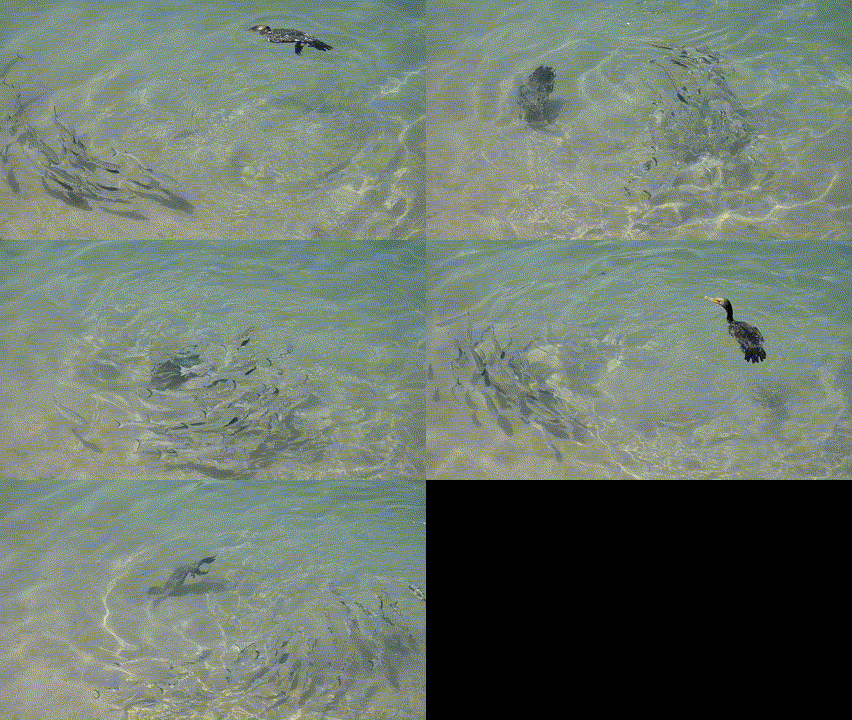
Double-crested Cormorant (Nannopterum auritum) Double-crested Cormorant
Neotropic Cormorant (Nannopterum brasilianum) Neotropic Cormorant

Media

Loading…

In short

The Double-crested Cormorant and Neotropic Cormorant can be distinguished by size and habitat preferences. The Double-crested is larger and more robust, while the Neotropic is smaller and more adaptable to diverse environments. Pay attention to bill size and shape for a reliable field mark.

Identification tips

  1. Size and Structure: Look for the larger size and bulkier build of the Double-crested Cormorant. 2. Bill: The Double-crested has a thicker bill compared to the Neotropic's thinner one. 3. Gular Pouch: Note the white border around the Neotropic's gular pouch, which is less pronounced in the Double-crested. 4. Habitat: Consider the habitat; Neotropic Cormorants are more likely to be found in diverse and urban environments.

Size

The Double-crested Cormorant is larger and bulkier compared to the smaller, more slender Neotropic Cormorant.

Plumage

Both species have dark plumage, but the Double-crested Cormorant often shows a more uniform dark appearance, while the Neotropic may appear slightly browner and has a more distinct white border around the gular pouch.

Behaviour

The Neotropic Cormorant is unique among cormorants in its ability to plunge-dive, while the Double-crested primarily feeds by pursuit-diving.

Habitat

The Double-crested Cormorant is often found in larger bodies of water and coastal areas, whereas the Neotropic Cormorant is highly adaptable, found in a variety of habitats including smaller inland waters and urban areas.

Voice

Vocalizations are not a primary distinguishing feature between these species in the field.

Submit a better description

Use the same sections as the comparison. Your text is published immediately.

The Double-crested Cormorant and Neotropic Cormorant can be distinguished by size and habitat preferences. The Double-crested is larger and more robust, while the Neotropic is smaller and more adaptable to diverse environments. Pay attention to bill size and shape for a reliable field mark.

  1. Size and Structure: Look for the larger size and bulkier build of the Double-crested Cormorant. 2. Bill: The Double-crested has a thicker bill compared to the Neotropic's thinner one. 3. Gular Pouch: Note the white border around the Neotropic's gular pouch, which is less pronounced in the Double-crested. 4. Habitat: Consider the habitat; Neotropic Cormorants are more likely to be found in diverse and urban environments.

The Double-crested Cormorant is larger and bulkier compared to the smaller, more slender Neotropic Cormorant.

Both species have dark plumage, but the Double-crested Cormorant often shows a more uniform dark appearance, while the Neotropic may appear slightly browner and has a more distinct white border around the gular pouch.

The Neotropic Cormorant is unique among cormorants in its ability to plunge-dive, while the Double-crested primarily feeds by pursuit-diving.

The Double-crested Cormorant is often found in larger bodies of water and coastal areas, whereas the Neotropic Cormorant is highly adaptable, found in a variety of habitats including smaller inland waters and urban areas.

Vocalizations are not a primary distinguishing feature between these species in the field.

Discard your changes?

You have unsaved edits. If you leave now, those changes will be lost.

Double-crested Cormorant · Neotropic Cormorant · My Tricky Birds