Birdr

Dusky Flycatcher vs Pine Flycatcher

Empidonax oberholseri versus Empidonax affinis

Play a quiz with Dusky Flycatcher and Pine Flycatcher
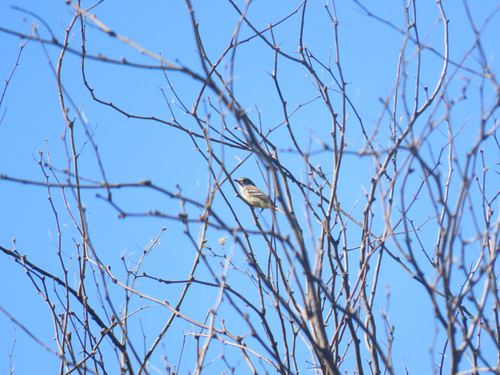
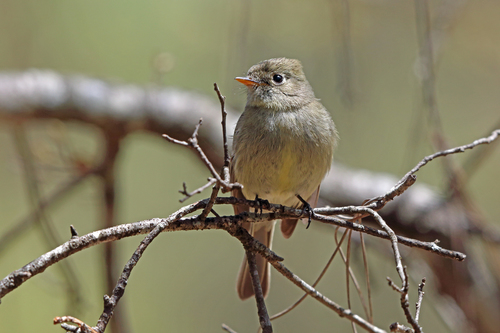
Dusky Flycatcher (Empidonax oberholseri) Dusky Flycatcher
Pine Flycatcher (Empidonax affinis) Pine Flycatcher

Media

Loading…

In short

The Dusky Flycatcher and Pine Flycatcher are similar small Empidonax flycatchers, but they can be distinguished by subtle differences in structure and habitat preference. The Dusky Flycatcher typically has a shorter bill and prefers montane coniferous forests, while the Pine Flycatcher is more often found in pine-oak woodlands.

Identification tips

1. Bill size: Dusky Flycatcher has a shorter bill compared to the Pine Flycatcher. 2. Habitat: Note the surrounding habitat; Dusky prefers coniferous forests, Pine prefers pine-oak woodlands. 3. Vocalizations: Listen for distinct calls if known. 4. Plumage tone: Look for subtle differences in color tone, with Dusky appearing grayer and Pine more olive.

Size

Both species are similar in size, typical of small Empidonax flycatchers.

Plumage

Plumage differences are subtle; both species have olive-gray upperparts and pale underparts. The Dusky Flycatcher may appear slightly grayer, while the Pine Flycatcher can have a more olive tone.

Behaviour

Both species exhibit typical flycatcher behavior, sallying from perches to catch insects. The Dusky Flycatcher is known for its sit-and-wait foraging strategy.

Habitat

Dusky Flycatchers are typically found in montane coniferous forests, while Pine Flycatchers prefer pine-oak woodlands.

Voice

Vocalizations can be a key differentiator, but specific call details are not provided in the sources. Generally, Empidonax flycatchers have distinct calls that can aid identification.

Submit a better description

Use the same sections as the comparison. Your text is published immediately.

The Dusky Flycatcher and Pine Flycatcher are similar small Empidonax flycatchers, but they can be distinguished by subtle differences in structure and habitat preference. The Dusky Flycatcher typically has a shorter bill and prefers montane coniferous forests, while the Pine Flycatcher is more often found in pine-oak woodlands.

1. Bill size: Dusky Flycatcher has a shorter bill compared to the Pine Flycatcher. 2. Habitat: Note the surrounding habitat; Dusky prefers coniferous forests, Pine prefers pine-oak woodlands. 3. Vocalizations: Listen for distinct calls if known. 4. Plumage tone: Look for subtle differences in color tone, with Dusky appearing grayer and Pine more olive.

Both species are similar in size, typical of small Empidonax flycatchers.

Plumage differences are subtle; both species have olive-gray upperparts and pale underparts. The Dusky Flycatcher may appear slightly grayer, while the Pine Flycatcher can have a more olive tone.

Both species exhibit typical flycatcher behavior, sallying from perches to catch insects. The Dusky Flycatcher is known for its sit-and-wait foraging strategy.

Dusky Flycatchers are typically found in montane coniferous forests, while Pine Flycatchers prefer pine-oak woodlands.

Vocalizations can be a key differentiator, but specific call details are not provided in the sources. Generally, Empidonax flycatchers have distinct calls that can aid identification.

Discard your changes?

You have unsaved edits. If you leave now, those changes will be lost.

Dusky Flycatcher · Pine Flycatcher · My Tricky Birds