Birdr

Egyptian Nightjar vs Sykes's Nightjar

Caprimulgus aegyptius versus Caprimulgus mahrattensis

Play a quiz with Egyptian Nightjar and Sykes's Nightjar
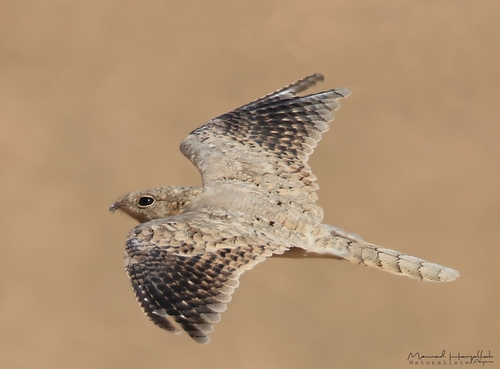
Egyptian Nightjar (Caprimulgus aegyptius) Egyptian Nightjar
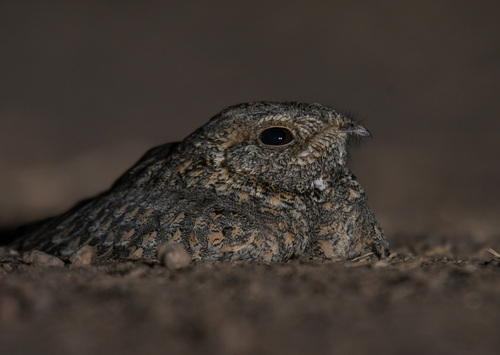
Sykes's Nightjar (Caprimulgus mahrattensis) Sykes's Nightjar

Media

Loading…

In short

The Egyptian Nightjar and Sykes's Nightjar are similar in appearance but can be distinguished by their structure and habitat preferences. The Egyptian Nightjar tends to have a more elongated body and longer wings, while Sykes's Nightjar is more compact. Vocalizations can also help differentiate them, as their calls are distinct.

Identification tips

  1. Look for the longer wings and more elongated body of the Egyptian Nightjar. 2. Note the paler, sandy plumage of the Egyptian Nightjar compared to the slightly darker Sykes's Nightjar. 3. Listen for the mechanical call of the Egyptian Nightjar versus the softer call of Sykes's Nightjar. 4. Consider the habitat: open desert for Egyptian Nightjar and scrubby areas for Sykes's Nightjar.

Size

The Egyptian Nightjar is generally larger with longer wings compared to the more compact Sykes's Nightjar.

Plumage

Both species have cryptic plumage suited for camouflage, but the Egyptian Nightjar typically appears paler with more uniform sandy tones, whereas Sykes's Nightjar may show slightly darker and more contrasting patterns.

Behaviour

Both species are nocturnal and exhibit similar behaviors, such as ground roosting during the day and foraging for insects at night.

Habitat

The Egyptian Nightjar is often found in open desert and semi-desert areas, while Sykes's Nightjar prefers scrubby and semi-arid regions. Their habitat preferences can overlap, but the Egyptian Nightjar is more associated with barren landscapes.

Voice

The calls of these nightjars are distinct; the Egyptian Nightjar has a more repetitive and mechanical call, while Sykes's Nightjar's call is softer and less mechanical. Listening for these differences can aid in identification.

Submit a better description

Use the same sections as the comparison. Your text is published immediately.

The Egyptian Nightjar and Sykes's Nightjar are similar in appearance but can be distinguished by their structure and habitat preferences. The Egyptian Nightjar tends to have a more elongated body and longer wings, while Sykes's Nightjar is more compact. Vocalizations can also help differentiate them, as their calls are distinct.

  1. Look for the longer wings and more elongated body of the Egyptian Nightjar. 2. Note the paler, sandy plumage of the Egyptian Nightjar compared to the slightly darker Sykes's Nightjar. 3. Listen for the mechanical call of the Egyptian Nightjar versus the softer call of Sykes's Nightjar. 4. Consider the habitat: open desert for Egyptian Nightjar and scrubby areas for Sykes's Nightjar.

The Egyptian Nightjar is generally larger with longer wings compared to the more compact Sykes's Nightjar.

Both species have cryptic plumage suited for camouflage, but the Egyptian Nightjar typically appears paler with more uniform sandy tones, whereas Sykes's Nightjar may show slightly darker and more contrasting patterns.

Both species are nocturnal and exhibit similar behaviors, such as ground roosting during the day and foraging for insects at night.

The Egyptian Nightjar is often found in open desert and semi-desert areas, while Sykes's Nightjar prefers scrubby and semi-arid regions. Their habitat preferences can overlap, but the Egyptian Nightjar is more associated with barren landscapes.

The calls of these nightjars are distinct; the Egyptian Nightjar has a more repetitive and mechanical call, while Sykes's Nightjar's call is softer and less mechanical. Listening for these differences can aid in identification.

Discard your changes?

You have unsaved edits. If you leave now, those changes will be lost.

Egyptian Nightjar · Sykes's Nightjar · My Tricky Birds