Birdr

Emperor Goose vs Blue-and-yellow Macaw

Anser canagicus versus Ara ararauna

Play a quiz with Emperor Goose and Blue-and-yellow Macaw

Emperor Goose (Anser canagicus) Emperor Goose
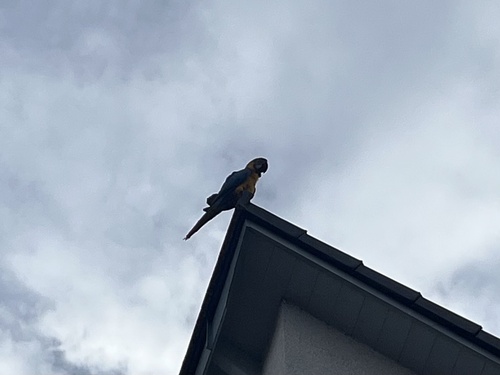
Blue-and-yellow Macaw (Ara ararauna) Blue-and-yellow Macaw

Media

Loading…

In short

The Emperor Goose and Blue-and-yellow Macaw are easily distinguished by their vastly different appearances and habitats. The Emperor Goose is a waterfowl with a distinctive white head and neck, while the Blue-and-yellow Macaw is a large, colorful parrot with vibrant blue and yellow plumage. These species occupy different ecological niches and are unlikely to be confused in the field.

Identification tips

  1. Location: Check the habitat; Emperor Geese are in northern coastal regions, while Blue-and-yellow Macaws are in tropical forests. 2. Plumage: Look for the white head of the Emperor Goose versus the vibrant blue and yellow of the Macaw. 3. Size and Shape: Note the larger size and long tail of the Macaw compared to the more compact Goose. 4. Behavior: Observe flocking behavior in geese versus the more solitary or paired nature of macaws.

Size

The Blue-and-yellow Macaw is larger and more robust than the Emperor Goose, with a longer tail and wingspan.

Plumage

The Emperor Goose has a white head and neck, gray body with fine barring, and orange legs. In contrast, the Blue-and-yellow Macaw features bright blue upperparts and wings, with a striking yellow underbelly and face.

Behaviour

Emperor Geese are typically found in flocks near water bodies, while Blue-and-yellow Macaws are often seen in pairs or small groups, flying over forests.

Habitat

Emperor Geese inhabit coastal tundra and wetlands, primarily in Alaska and northeastern Russia. Blue-and-yellow Macaws are found in tropical rainforests of South America, particularly in the Amazon Basin.

Voice

The Emperor Goose makes low-pitched honking sounds, while the Blue-and-yellow Macaw is known for its loud, harsh squawks.

Submit a better description

Use the same sections as the comparison. Your text is published immediately.

The Emperor Goose and Blue-and-yellow Macaw are easily distinguished by their vastly different appearances and habitats. The Emperor Goose is a waterfowl with a distinctive white head and neck, while the Blue-and-yellow Macaw is a large, colorful parrot with vibrant blue and yellow plumage. These species occupy different ecological niches and are unlikely to be confused in the field.

  1. Location: Check the habitat; Emperor Geese are in northern coastal regions, while Blue-and-yellow Macaws are in tropical forests. 2. Plumage: Look for the white head of the Emperor Goose versus the vibrant blue and yellow of the Macaw. 3. Size and Shape: Note the larger size and long tail of the Macaw compared to the more compact Goose. 4. Behavior: Observe flocking behavior in geese versus the more solitary or paired nature of macaws.

The Blue-and-yellow Macaw is larger and more robust than the Emperor Goose, with a longer tail and wingspan.

The Emperor Goose has a white head and neck, gray body with fine barring, and orange legs. In contrast, the Blue-and-yellow Macaw features bright blue upperparts and wings, with a striking yellow underbelly and face.

Emperor Geese are typically found in flocks near water bodies, while Blue-and-yellow Macaws are often seen in pairs or small groups, flying over forests.

Emperor Geese inhabit coastal tundra and wetlands, primarily in Alaska and northeastern Russia. Blue-and-yellow Macaws are found in tropical rainforests of South America, particularly in the Amazon Basin.

The Emperor Goose makes low-pitched honking sounds, while the Blue-and-yellow Macaw is known for its loud, harsh squawks.

Discard your changes?

You have unsaved edits. If you leave now, those changes will be lost.

Emperor Goose · Blue-and-yellow Macaw · My Tricky Birds