Birdr

Eurasian Blackcap vs Lesser Whitethroat

Sylvia atricapilla versus Curruca curruca

Play a quiz with Eurasian Blackcap and Lesser Whitethroat
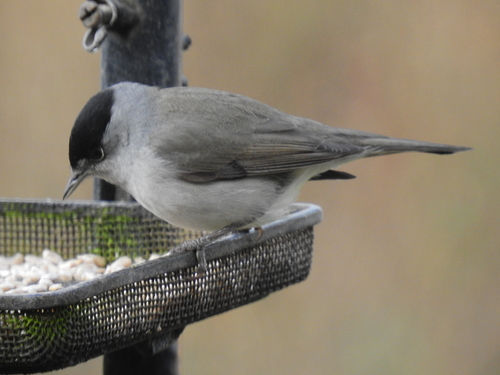
Eurasian Blackcap (Sylvia atricapilla) Eurasian Blackcap
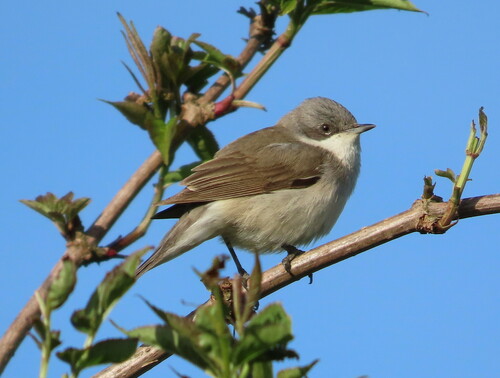
Lesser Whitethroat (Curruca curruca) Lesser Whitethroat

Media

Loading…

In short

The Eurasian Blackcap (Sylvia atricapilla) and the Lesser Whitethroat (Curruca curruca) are both small passerines found in Europe, but they can be distinguished by their plumage, vocalizations, and behavior. The Blackcap is characterized by its distinct sexual dimorphism and rich song, while the Lesser Whitethroat has a more uniform plumage and a distinctive call that differs markedly from the Blackcap.

Identification tips

  1. Birds of the World Similar-Species Diagnostics:
  2. "Eurasian Blackcap males have a black crown and are generally more olive-brown in color than Lesser Whitethroats, which have a more uniform grey-brown plumage and a distinctive white throat. Lesser Whitethroat’s call is described as sharp and scratchy, differing from the melodious song of the Blackcap." (Source: Birds of the World)

  3. AI Field Diagnostics:

  4. Look for the distinct black cap on male Eurasian Blackcaps; this is a primary identifier. Females can be trickier but will still show the overall olive-brown coloration versus the more uniformly grey Lesser Whitethroat.
  5. Pay attention to vocalizations: if you hear a rich, melodic song, it is likely a Blackcap; a sharp, rapid series of notes indicates a Lesser Whitethroat.
  6. Observe habitat preference: Blackcaps are more often found in gardens and urban settings, while Lesser Whitethroats are more likely to be in scrubby areas and hedgerows.
  7. In terms of behavior, Blackcaps are often seen perched openly singing, while Lesser Whitethroats tend to remain hidden, making them harder to spot.

By focusing on these distinguishing features, birdwatchers can confidently differentiate between the Eurasian Blackcap and the Lesser Whitethroat in the field.

Size

Both species are similar in size, with the Eurasian Blackcap measuring approximately 12.5-14 cm in length and the Lesser Whitethroat averaging about 12.5-13.5 cm. However, the Blackcap tends to be slightly bulkier, with a rounder body shape, while the Lesser Whitethroat has a more slender and elongated body.

Plumage

The Eurasian Blackcap exhibits clear sexual dimorphism: males have a prominent black cap, while females possess a brown cap. Their overall coloration is olive-tinged brownish gray with paler underparts. In contrast, the Lesser Whitethroat is generally less colorful, featuring a greyish-brown upper body, pale underparts, and a white throat. The Lesser Whitethroat also has a more uniform appearance without the distinct caps, making it visually less striking than the Blackcap.

Behaviour

The Eurasian Blackcap is known for its rich song, often performed from dense vegetation, which consists of a series of scratchy notes followed by fluty tunes. They are more solitary in their singing habits. The Lesser Whitethroat, on the other hand, exhibits a more secretive behavior, often foraging close to the ground and remaining hidden in dense underbrush, and its song is a series of sharp, scratchy notes that are less melodious than that of the Blackcap.

Habitat

Both species inhabit similar environments, but their preferences differ slightly. The Eurasian Blackcap favors broadleaf forests, gardens, and orchards, particularly during the breeding season, while the Lesser Whitethroat often prefers scrubland, hedgerows, and open woodlands. During migration, both species can be found in a variety of vegetated habitats.

Voice

The vocalization of the Eurasian Blackcap is noted for its melodic and fluty quality, making it a favorite among birdwatchers. In contrast, the Lesser Whitethroat's call consists of sharp and rapid notes, which lack the musical quality of the Blackcap's song. The differences in vocalization are a key field-identifiable trait.

Submit a better description

Use the same sections as the comparison. Your text is published immediately.

The Eurasian Blackcap (Sylvia atricapilla) and the Lesser Whitethroat (Curruca curruca) are both small passerines found in Europe, but they can be distinguished by their plumage, vocalizations, and behavior. The Blackcap is characterized by its distinct sexual dimorphism and rich song, while the Lesser Whitethroat has a more uniform plumage and a distinctive call that differs markedly from the Blackcap.

  1. Birds of the World Similar-Species Diagnostics:
  2. "Eurasian Blackcap males have a black crown and are generally more olive-brown in color than Lesser Whitethroats, which have a more uniform grey-brown plumage and a distinctive white throat. Lesser Whitethroat’s call is described as sharp and scratchy, differing from the melodious song of the Blackcap." (Source: Birds of the World)

  3. AI Field Diagnostics:

  4. Look for the distinct black cap on male Eurasian Blackcaps; this is a primary identifier. Females can be trickier but will still show the overall olive-brown coloration versus the more uniformly grey Lesser Whitethroat.
  5. Pay attention to vocalizations: if you hear a rich, melodic song, it is likely a Blackcap; a sharp, rapid series of notes indicates a Lesser Whitethroat.
  6. Observe habitat preference: Blackcaps are more often found in gardens and urban settings, while Lesser Whitethroats are more likely to be in scrubby areas and hedgerows.
  7. In terms of behavior, Blackcaps are often seen perched openly singing, while Lesser Whitethroats tend to remain hidden, making them harder to spot.

By focusing on these distinguishing features, birdwatchers can confidently differentiate between the Eurasian Blackcap and the Lesser Whitethroat in the field.

Both species are similar in size, with the Eurasian Blackcap measuring approximately 12.5-14 cm in length and the Lesser Whitethroat averaging about 12.5-13.5 cm. However, the Blackcap tends to be slightly bulkier, with a rounder body shape, while the Lesser Whitethroat has a more slender and elongated body.

The Eurasian Blackcap exhibits clear sexual dimorphism: males have a prominent black cap, while females possess a brown cap. Their overall coloration is olive-tinged brownish gray with paler underparts. In contrast, the Lesser Whitethroat is generally less colorful, featuring a greyish-brown upper body, pale underparts, and a white throat. The Lesser Whitethroat also has a more uniform appearance without the distinct caps, making it visually less striking than the Blackcap.

The Eurasian Blackcap is known for its rich song, often performed from dense vegetation, which consists of a series of scratchy notes followed by fluty tunes. They are more solitary in their singing habits. The Lesser Whitethroat, on the other hand, exhibits a more secretive behavior, often foraging close to the ground and remaining hidden in dense underbrush, and its song is a series of sharp, scratchy notes that are less melodious than that of the Blackcap.

Both species inhabit similar environments, but their preferences differ slightly. The Eurasian Blackcap favors broadleaf forests, gardens, and orchards, particularly during the breeding season, while the Lesser Whitethroat often prefers scrubland, hedgerows, and open woodlands. During migration, both species can be found in a variety of vegetated habitats.

The vocalization of the Eurasian Blackcap is noted for its melodic and fluty quality, making it a favorite among birdwatchers. In contrast, the Lesser Whitethroat's call consists of sharp and rapid notes, which lack the musical quality of the Blackcap's song. The differences in vocalization are a key field-identifiable trait.

Discard your changes?

You have unsaved edits. If you leave now, those changes will be lost.

Eurasian Blackcap · Lesser Whitethroat · My Tricky Birds