Birdr

Eurasian Coot vs Common Crane

Fulica atra versus Grus grus

Play a quiz with Eurasian Coot and Common Crane

Eurasian Coot (Fulica atra) Eurasian Coot
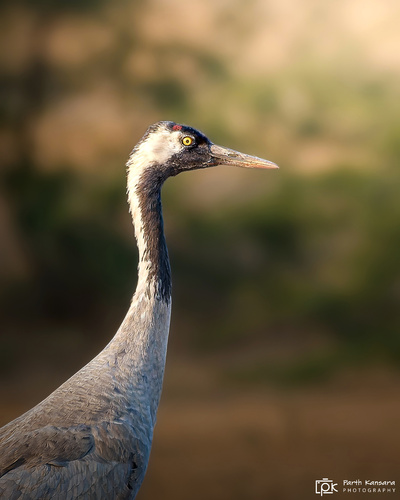
Common Crane (Grus grus) Common Crane

Media

Loading…

In short

The Eurasian Coot and Common Crane are easily distinguished by size and structure. The coot is a small, duck-like bird with a distinctive white frontal shield, while the crane is a large, elegant bird with a long neck and legs. Their habitats and behaviors also differ significantly, aiding identification.

Identification tips

  1. Size and Structure: Look for the small, duck-like coot versus the tall, long-necked crane. 2. Plumage: Note the coot's white frontal shield compared to the crane's gray body and black neck markings. 3. Behavior: Coots swim and dive; cranes walk and forage in fields. 4. Habitat: Coots in ponds, cranes in open wetlands. 5. Calls: Listen for the coot's raucous calls versus the crane's trumpeting sounds.

Size

The Eurasian Coot is much smaller, similar in size to a duck, whereas the Common Crane is a large bird, standing over a meter tall.

Plumage

The coot is mostly black with a white frontal shield and bill, while the crane is predominantly gray with a white face and black neck markings.

Behaviour

Eurasian Coots are often seen swimming or diving in water, while Common Cranes are typically observed walking gracefully in open fields or wetlands.

Habitat

Coots prefer eutrophic lakes and urban ponds, whereas cranes are found in open wetlands and agricultural fields.

Voice

Coots have raucous and complex calls, while cranes produce loud, trumpeting calls that carry over long distances.

Submit a better description

Use the same sections as the comparison. Your text is published immediately.

The Eurasian Coot and Common Crane are easily distinguished by size and structure. The coot is a small, duck-like bird with a distinctive white frontal shield, while the crane is a large, elegant bird with a long neck and legs. Their habitats and behaviors also differ significantly, aiding identification.

  1. Size and Structure: Look for the small, duck-like coot versus the tall, long-necked crane. 2. Plumage: Note the coot's white frontal shield compared to the crane's gray body and black neck markings. 3. Behavior: Coots swim and dive; cranes walk and forage in fields. 4. Habitat: Coots in ponds, cranes in open wetlands. 5. Calls: Listen for the coot's raucous calls versus the crane's trumpeting sounds.

The Eurasian Coot is much smaller, similar in size to a duck, whereas the Common Crane is a large bird, standing over a meter tall.

The coot is mostly black with a white frontal shield and bill, while the crane is predominantly gray with a white face and black neck markings.

Eurasian Coots are often seen swimming or diving in water, while Common Cranes are typically observed walking gracefully in open fields or wetlands.

Coots prefer eutrophic lakes and urban ponds, whereas cranes are found in open wetlands and agricultural fields.

Coots have raucous and complex calls, while cranes produce loud, trumpeting calls that carry over long distances.

Discard your changes?

You have unsaved edits. If you leave now, those changes will be lost.

Eurasian Coot · Common Crane · My Tricky Birds