
Birdr

Eurasian Three-toed Woodpecker vs White-backed Woodpecker

Picoides tridactylus versus Dendrocopos leucotos

Play a quiz with Eurasian Three-toed Woodpecker and White-backed Woodpecker
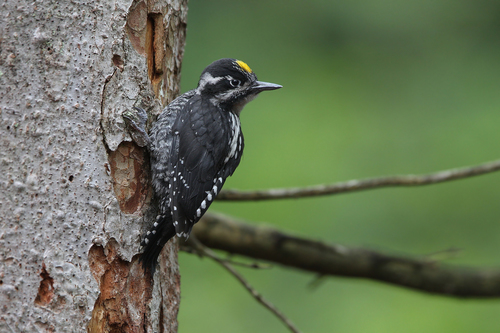
Eurasian Three-toed Woodpecker (Picoides tridactylus) Eurasian Three-toed Woodpecker
White-backed Woodpecker (Dendrocopos leucotos) White-backed Woodpecker

Media

Loading…

In short

The Eurasian Three-toed Woodpecker and the White-backed Woodpecker can be distinguished by their back patterns and habitat preferences. The Three-toed has a barred back with a distinct lack of red on the head in males, while the White-backed has a solid white back and often shows red on the crown in males. Both species favor different forest types, which can aid in identification.

Identification tips

  1. Back pattern: Look for the barred back of the Three-toed versus the solid white back of the White-backed.
  2. Head markings: Check for the absence of red on the head of male Three-toed Woodpeckers compared to the red crown of male White-backed Woodpeckers.
  3. Habitat: Note the forest type; Three-toed prefers coniferous, while White-backed favors deciduous or mixed forests.
  4. Size: Observe overall size; White-backed is slightly larger.
  5. Vocalizations: Use calls cautiously; Three-toed has softer, less varied calls.

Size

Both species are similar in size, but the White-backed Woodpecker is slightly larger overall.

Plumage

The Eurasian Three-toed Woodpecker has a barred back and lacks red on the head in males, while the White-backed Woodpecker has a solid white back and males often have a red crown. Females of both species lack red on the head.

Behaviour

Both species are adept at foraging on tree trunks, but the Three-toed Woodpecker is more specialized in coniferous forests, often seen on dead or dying trees.

Habitat

The Eurasian Three-toed Woodpecker is typically found in coniferous forests, particularly those with dead or dying trees. The White-backed Woodpecker prefers deciduous or mixed forests with a high density of old trees.

Voice

Vocalizations are not the most reliable for differentiation, but the Three-toed Woodpecker's calls are generally softer and less varied than those of the White-backed Woodpecker.

Submit a better description

Use the same sections as the comparison. Your text is published immediately.

The Eurasian Three-toed Woodpecker and the White-backed Woodpecker can be distinguished by their back patterns and habitat preferences. The Three-toed has a barred back with a distinct lack of red on the head in males, while the White-backed has a solid white back and often shows red on the crown in males. Both species favor different forest types, which can aid in identification.

  1. Back pattern: Look for the barred back of the Three-toed versus the solid white back of the White-backed.
  2. Head markings: Check for the absence of red on the head of male Three-toed Woodpeckers compared to the red crown of male White-backed Woodpeckers.
  3. Habitat: Note the forest type; Three-toed prefers coniferous, while White-backed favors deciduous or mixed forests.
  4. Size: Observe overall size; White-backed is slightly larger.
  5. Vocalizations: Use calls cautiously; Three-toed has softer, less varied calls.

Both species are similar in size, but the White-backed Woodpecker is slightly larger overall.

The Eurasian Three-toed Woodpecker has a barred back and lacks red on the head in males, while the White-backed Woodpecker has a solid white back and males often have a red crown. Females of both species lack red on the head.

Both species are adept at foraging on tree trunks, but the Three-toed Woodpecker is more specialized in coniferous forests, often seen on dead or dying trees.

The Eurasian Three-toed Woodpecker is typically found in coniferous forests, particularly those with dead or dying trees. The White-backed Woodpecker prefers deciduous or mixed forests with a high density of old trees.

Vocalizations are not the most reliable for differentiation, but the Three-toed Woodpecker's calls are generally softer and less varied than those of the White-backed Woodpecker.

Discard your changes?

You have unsaved edits. If you leave now, those changes will be lost.

Eurasian Three-toed Woodpecker · White-backed Woodpecker · My Tricky Birds