Birdr

Eurasian Wren vs White-throated Dipper

Troglodytes troglodytes versus Cinclus cinclus

Play a quiz with Eurasian Wren and White-throated Dipper
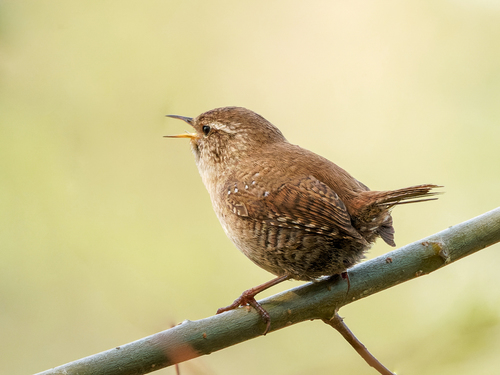
Eurasian Wren (Troglodytes troglodytes) Eurasian Wren
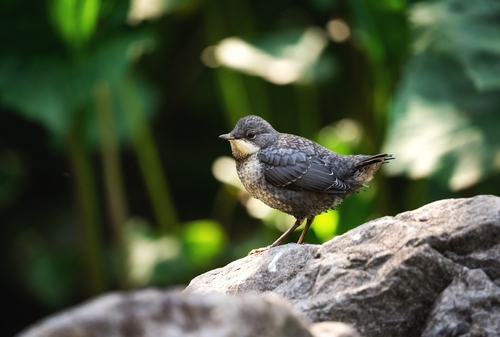
White-throated Dipper (Cinclus cinclus) White-throated Dipper

Media

Loading…

In short

The Eurasian Wren and White-throated Dipper are distinct in both size and habitat preference. The wren is much smaller and typically found in dense vegetation, while the dipper is larger and associated with fast-flowing streams and rivers.

Identification tips

  1. Size and Shape: Note the size difference; wrens are much smaller. 2. Plumage: Look for the dipper's white throat patch. 3. Habitat: Observe the habitat; dippers are near water. 4. Behavior: Watch for the dipper's unique bobbing and diving behavior. 5. Vocalization: Listen for the wren's loud song versus the dipper's softer whistles.

Size

The Eurasian Wren is much smaller, about the size of a golf ball, whereas the White-throated Dipper is larger, comparable to a blackbird.

Plumage

The Eurasian Wren has a uniformly brown plumage with fine barring, while the White-throated Dipper has a distinctive white throat and chest contrasting with its dark brown body.

Behaviour

Wrens are often seen flitting through dense underbrush and are more terrestrial, whereas dippers are frequently observed bobbing on rocks in streams and diving underwater.

Habitat

Eurasian Wrens prefer dense, shrubby areas, gardens, and woodlands. White-throated Dippers are found near fast-flowing streams and rivers, often in upland areas.

Voice

The Eurasian Wren has a loud, complex song, while the White-throated Dipper's song is more subdued and often includes a series of whistles and trills.

Submit a better description

Use the same sections as the comparison. Your text is published immediately.

The Eurasian Wren and White-throated Dipper are distinct in both size and habitat preference. The wren is much smaller and typically found in dense vegetation, while the dipper is larger and associated with fast-flowing streams and rivers.

  1. Size and Shape: Note the size difference; wrens are much smaller. 2. Plumage: Look for the dipper's white throat patch. 3. Habitat: Observe the habitat; dippers are near water. 4. Behavior: Watch for the dipper's unique bobbing and diving behavior. 5. Vocalization: Listen for the wren's loud song versus the dipper's softer whistles.

The Eurasian Wren is much smaller, about the size of a golf ball, whereas the White-throated Dipper is larger, comparable to a blackbird.

The Eurasian Wren has a uniformly brown plumage with fine barring, while the White-throated Dipper has a distinctive white throat and chest contrasting with its dark brown body.

Wrens are often seen flitting through dense underbrush and are more terrestrial, whereas dippers are frequently observed bobbing on rocks in streams and diving underwater.

Eurasian Wrens prefer dense, shrubby areas, gardens, and woodlands. White-throated Dippers are found near fast-flowing streams and rivers, often in upland areas.

The Eurasian Wren has a loud, complex song, while the White-throated Dipper's song is more subdued and often includes a series of whistles and trills.

Discard your changes?

You have unsaved edits. If you leave now, those changes will be lost.

Eurasian Wren · White-throated Dipper · My Tricky Birds