Birdr

European Pied Flycatcher vs Collared Flycatcher

Ficedula hypoleuca versus Ficedula albicollis

Play a quiz with European Pied Flycatcher and Collared Flycatcher
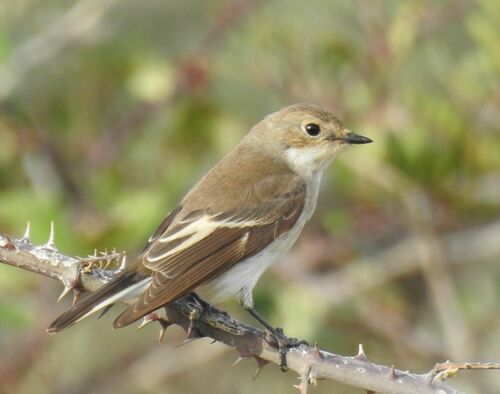
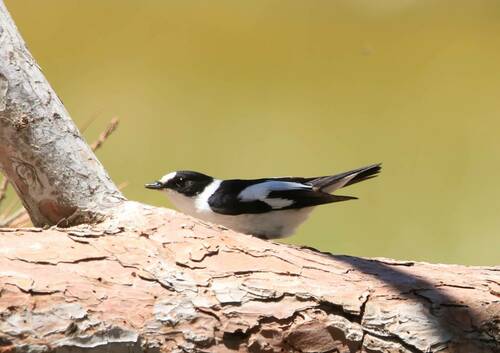
European Pied Flycatcher (Ficedula hypoleuca) European Pied Flycatcher
Collared Flycatcher (Ficedula albicollis) Collared Flycatcher

Media

Loading…

In short

The European Pied Flycatcher and Collared Flycatcher are similar in appearance, but key differences in plumage and structural features can help distinguish them. The Collared Flycatcher typically has a more pronounced white collar and larger white forehead patch, while the European Pied Flycatcher often shows a less distinct collar and smaller forehead patch.

Identification tips

  1. Look for the white collar and larger forehead patch in males to identify Collared Flycatchers. 2. Note the less distinct collar and smaller forehead patch in European Pied Flycatchers. 3. Consider geographic location, as Collared Flycatchers are more common in Eastern Europe. 4. Listen for song differences, with Collared Flycatchers having a more varied song.

Size

Both species are similar in size, typical of small flycatchers.

Plumage

Male Collared Flycatchers have a distinct white collar and a larger white forehead patch compared to European Pied Flycatchers. Females and juveniles of both species are more challenging to differentiate, but the Collared Flycatcher may show slightly more contrast in plumage.

Behaviour

Both species exhibit similar flycatching behavior, often perching conspicuously and sallying out to catch insects.

Habitat

Both species prefer deciduous or mixed woodlands, but the Collared Flycatcher is more common in Eastern Europe, while the European Pied Flycatcher is widespread across Europe.

Voice

Songs and calls can be similar, but the Collared Flycatcher's song is generally more varied and complex. Calls are not the most reliable distinguishing feature.

Submit a better description

Use the same sections as the comparison. Your text is published immediately.

The European Pied Flycatcher and Collared Flycatcher are similar in appearance, but key differences in plumage and structural features can help distinguish them. The Collared Flycatcher typically has a more pronounced white collar and larger white forehead patch, while the European Pied Flycatcher often shows a less distinct collar and smaller forehead patch.

  1. Look for the white collar and larger forehead patch in males to identify Collared Flycatchers. 2. Note the less distinct collar and smaller forehead patch in European Pied Flycatchers. 3. Consider geographic location, as Collared Flycatchers are more common in Eastern Europe. 4. Listen for song differences, with Collared Flycatchers having a more varied song.

Both species are similar in size, typical of small flycatchers.

Male Collared Flycatchers have a distinct white collar and a larger white forehead patch compared to European Pied Flycatchers. Females and juveniles of both species are more challenging to differentiate, but the Collared Flycatcher may show slightly more contrast in plumage.

Both species exhibit similar flycatching behavior, often perching conspicuously and sallying out to catch insects.

Both species prefer deciduous or mixed woodlands, but the Collared Flycatcher is more common in Eastern Europe, while the European Pied Flycatcher is widespread across Europe.

Songs and calls can be similar, but the Collared Flycatcher's song is generally more varied and complex. Calls are not the most reliable distinguishing feature.

Discard your changes?

You have unsaved edits. If you leave now, those changes will be lost.

European Pied Flycatcher · Collared Flycatcher · My Tricky Birds