Birdr

Fairy Gerygone vs Sahul Cicadabird

Gerygone palpebrosa versus Edolisoma tenuirostre

Play a quiz with Fairy Gerygone and Sahul Cicadabird
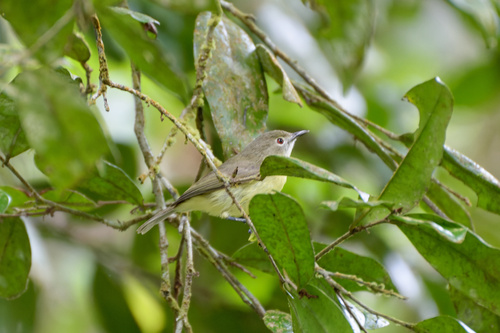
Fairy Gerygone (Gerygone palpebrosa) Fairy Gerygone
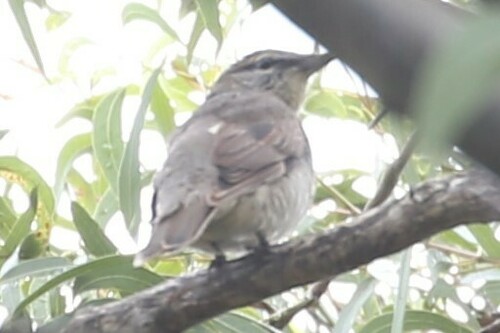
Sahul Cicadabird (Edolisoma tenuirostre) Sahul Cicadabird

Media

Loading…

In short

The Fairy Gerygone and Sahul Cicadabird can be distinguished by their size, plumage, and vocalizations. The Fairy Gerygone is smaller and has a more delicate appearance, while the Sahul Cicadabird is larger with a more robust build. Vocalizations also differ significantly, with the Cicadabird producing cicada-like notes.

Identification tips

  1. Size: Look for the smaller size of the Fairy Gerygone. 2. Plumage: Note the black throat in male Fairy Gerygones versus the gray shades in male Sahul Cicadabirds. 3. Vocalization: Listen for the cicada-like notes of the Sahul Cicadabird. 4. Behavior: Observe the more active flitting of the Fairy Gerygone compared to the more deliberate movements of the Cicadabird.

Size

The Fairy Gerygone is smaller and more delicate compared to the larger and more robust Sahul Cicadabird.

Plumage

Fairy Gerygone males have a distinctive black throat, while Sahul Cicadabird males are various shades of gray with blackish areas. Female Cicadabirds are gray and white with variable barring, unlike the more uniform Fairy Gerygone.

Behaviour

Fairy Gerygones are more active and often seen flitting through foliage, while Sahul Cicadabirds are more deliberate in their movements.

Habitat

Fairy Gerygones are typically found in forested areas, while Sahul Cicadabirds inhabit a range of habitats including forests and woodlands across northern and eastern Australia and New Guinea.

Voice

The Fairy Gerygone has a more typical songbird vocalization, while the Sahul Cicadabird is known for its fast, mechanical-sounding, cicada-like notes.

Submit a better description

Use the same sections as the comparison. Your text is published immediately.

The Fairy Gerygone and Sahul Cicadabird can be distinguished by their size, plumage, and vocalizations. The Fairy Gerygone is smaller and has a more delicate appearance, while the Sahul Cicadabird is larger with a more robust build. Vocalizations also differ significantly, with the Cicadabird producing cicada-like notes.

  1. Size: Look for the smaller size of the Fairy Gerygone. 2. Plumage: Note the black throat in male Fairy Gerygones versus the gray shades in male Sahul Cicadabirds. 3. Vocalization: Listen for the cicada-like notes of the Sahul Cicadabird. 4. Behavior: Observe the more active flitting of the Fairy Gerygone compared to the more deliberate movements of the Cicadabird.

The Fairy Gerygone is smaller and more delicate compared to the larger and more robust Sahul Cicadabird.

Fairy Gerygone males have a distinctive black throat, while Sahul Cicadabird males are various shades of gray with blackish areas. Female Cicadabirds are gray and white with variable barring, unlike the more uniform Fairy Gerygone.

Fairy Gerygones are more active and often seen flitting through foliage, while Sahul Cicadabirds are more deliberate in their movements.

Fairy Gerygones are typically found in forested areas, while Sahul Cicadabirds inhabit a range of habitats including forests and woodlands across northern and eastern Australia and New Guinea.

The Fairy Gerygone has a more typical songbird vocalization, while the Sahul Cicadabird is known for its fast, mechanical-sounding, cicada-like notes.

Discard your changes?

You have unsaved edits. If you leave now, those changes will be lost.

Fairy Gerygone · Sahul Cicadabird · My Tricky Birds