Birdr

Fulvous Whistling-Duck vs Yellow-legged Gull

Dendrocygna bicolor versus Larus michahellis

Play a quiz with Fulvous Whistling-Duck and Yellow-legged Gull
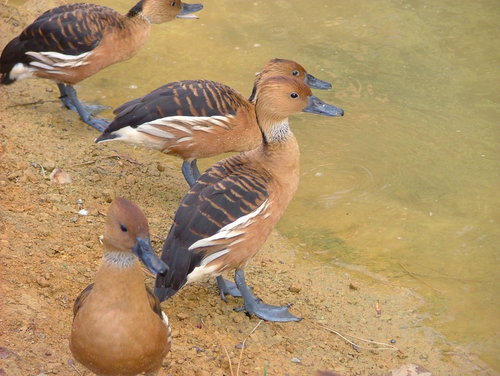
Fulvous Whistling-Duck (Dendrocygna bicolor) Fulvous Whistling-Duck
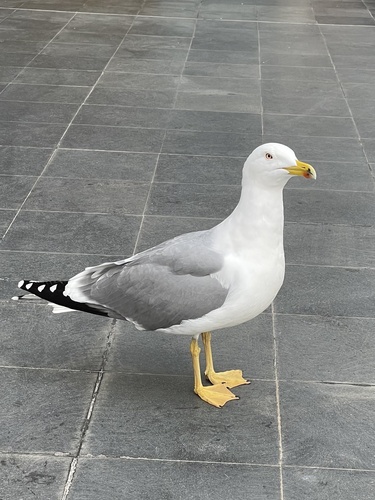
Yellow-legged Gull (Larus michahellis) Yellow-legged Gull

Media

Loading…

In short

The Fulvous Whistling-Duck and Yellow-legged Gull are easily distinguished by their size, habitat, and behavior. The whistling-duck is a medium-sized waterfowl with a distinctive fulvous coloration, while the gull is a large, opportunistic seabird with a pale body and yellow legs. These species are not closely related, making structural differences prominent.

Identification tips

1. Size and Shape: Note the medium size and duck-like shape of the Fulvous Whistling-Duck versus the larger, robust gull shape of the Yellow-legged Gull. 2. Plumage: Look for the warm fulvous tones of the whistling-duck compared to the pale grey and white of the gull. 3. Habitat: Observe the environment; whistling-ducks are in wetlands, while gulls are near coasts or urban areas. 4. Behavior: Watch for flocking behavior in whistling-ducks and scavenging in gulls. 5. Calls: Listen for the distinct raspy call of the whistling-duck versus the harsh calls of the gull.

Size

The Fulvous Whistling-Duck is medium-sized compared to the larger Yellow-legged Gull.

Plumage

Fulvous Whistling-Duck has a warm, fulvous body with a darker back and wings, while the Yellow-legged Gull is predominantly white with grey wings and a yellow bill and legs.

Behaviour

Fulvous Whistling-Ducks are often found in flocks in wetland areas, feeding on seeds, while Yellow-legged Gulls are solitary or in groups, often seen scavenging or kleptoparasitizing other birds.

Habitat

Fulvous Whistling-Ducks prefer flooded rice fields and wetlands, whereas Yellow-legged Gulls are adaptable, found in coastal areas, urban environments, and near human activity.

Voice

Fulvous Whistling-Ducks have a raspy, two-noted call, often heard at night. Yellow-legged Gulls have a typical gull-like call, loud and harsh.

Submit a better description

Use the same sections as the comparison. Your text is published immediately.

The Fulvous Whistling-Duck and Yellow-legged Gull are easily distinguished by their size, habitat, and behavior. The whistling-duck is a medium-sized waterfowl with a distinctive fulvous coloration, while the gull is a large, opportunistic seabird with a pale body and yellow legs. These species are not closely related, making structural differences prominent.

1. Size and Shape: Note the medium size and duck-like shape of the Fulvous Whistling-Duck versus the larger, robust gull shape of the Yellow-legged Gull. 2. Plumage: Look for the warm fulvous tones of the whistling-duck compared to the pale grey and white of the gull. 3. Habitat: Observe the environment; whistling-ducks are in wetlands, while gulls are near coasts or urban areas. 4. Behavior: Watch for flocking behavior in whistling-ducks and scavenging in gulls. 5. Calls: Listen for the distinct raspy call of the whistling-duck versus the harsh calls of the gull.

The Fulvous Whistling-Duck is medium-sized compared to the larger Yellow-legged Gull.

Fulvous Whistling-Duck has a warm, fulvous body with a darker back and wings, while the Yellow-legged Gull is predominantly white with grey wings and a yellow bill and legs.

Fulvous Whistling-Ducks are often found in flocks in wetland areas, feeding on seeds, while Yellow-legged Gulls are solitary or in groups, often seen scavenging or kleptoparasitizing other birds.

Fulvous Whistling-Ducks prefer flooded rice fields and wetlands, whereas Yellow-legged Gulls are adaptable, found in coastal areas, urban environments, and near human activity.

Fulvous Whistling-Ducks have a raspy, two-noted call, often heard at night. Yellow-legged Gulls have a typical gull-like call, loud and harsh.

Discard your changes?

You have unsaved edits. If you leave now, those changes will be lost.

Fulvous Whistling-Duck · Yellow-legged Gull · My Tricky Birds