Birdr

Gadwall vs Yellow-fronted Canary

Mareca strepera versus Crithagra mozambica

Play a quiz with Gadwall and Yellow-fronted Canary

Gadwall (Mareca strepera) Gadwall
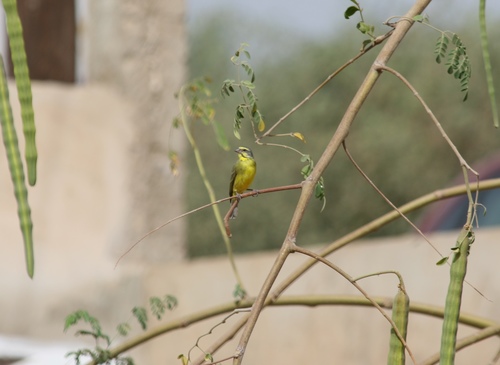
Yellow-fronted Canary (Crithagra mozambica) Yellow-fronted Canary

Media

Loading…

In short

The Gadwall and Yellow-fronted Canary are easily distinguished by their size and habitat preferences. Gadwalls are medium-sized ducks found in wetlands, while Yellow-fronted Canaries are small finches typically seen in open woodlands and gardens.

Identification tips

  1. Size and Shape: Look for the larger, duck-like shape of the Gadwall versus the small, finch-like canary. 2. Plumage: Note the Gadwall's subtle gray-brown tones and white wing patch compared to the bright yellow and green of the canary. 3. Habitat: Observe the environment; Gadwalls are in wetlands, while canaries prefer open woodlands. 4. Behavior: Gadwalls dabble in water, whereas canaries perch and forage in trees.

Size

Gadwalls are significantly larger than Yellow-fronted Canaries, with a robust duck-like body compared to the small, delicate build of the canary.

Plumage

Gadwalls have a subtle, mottled gray-brown plumage with a distinctive white wing patch visible in flight. Yellow-fronted Canaries have bright yellow underparts and a greenish back, with a notable yellow face and forehead.

Behaviour

Gadwalls are often seen dabbling in water, while Yellow-fronted Canaries are more likely to be observed perching or foraging in trees and shrubs.

Habitat

Gadwalls inhabit freshwater wetlands, ponds, and marshes. In contrast, Yellow-fronted Canaries are found in open woodlands, gardens, and savannas.

Voice

Gadwalls are generally quiet, with occasional quacking sounds, whereas Yellow-fronted Canaries are known for their melodious and varied songs.

Submit a better description

Use the same sections as the comparison. Your text is published immediately.

The Gadwall and Yellow-fronted Canary are easily distinguished by their size and habitat preferences. Gadwalls are medium-sized ducks found in wetlands, while Yellow-fronted Canaries are small finches typically seen in open woodlands and gardens.

  1. Size and Shape: Look for the larger, duck-like shape of the Gadwall versus the small, finch-like canary. 2. Plumage: Note the Gadwall's subtle gray-brown tones and white wing patch compared to the bright yellow and green of the canary. 3. Habitat: Observe the environment; Gadwalls are in wetlands, while canaries prefer open woodlands. 4. Behavior: Gadwalls dabble in water, whereas canaries perch and forage in trees.

Gadwalls are significantly larger than Yellow-fronted Canaries, with a robust duck-like body compared to the small, delicate build of the canary.

Gadwalls have a subtle, mottled gray-brown plumage with a distinctive white wing patch visible in flight. Yellow-fronted Canaries have bright yellow underparts and a greenish back, with a notable yellow face and forehead.

Gadwalls are often seen dabbling in water, while Yellow-fronted Canaries are more likely to be observed perching or foraging in trees and shrubs.

Gadwalls inhabit freshwater wetlands, ponds, and marshes. In contrast, Yellow-fronted Canaries are found in open woodlands, gardens, and savannas.

Gadwalls are generally quiet, with occasional quacking sounds, whereas Yellow-fronted Canaries are known for their melodious and varied songs.

Discard your changes?

You have unsaved edits. If you leave now, those changes will be lost.

Gadwall · Yellow-fronted Canary · My Tricky Birds