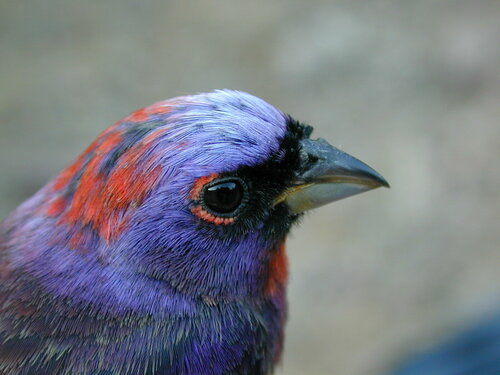
Gila Woodpecker vs Varied Bunting
Melanerpes uropygialis versus Passerina versicolor
Play a quiz with Gila Woodpecker and Varied Bunting
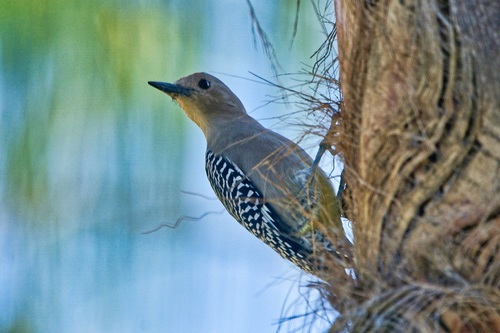
Gila Woodpecker
Varied Bunting
In short
The Gila Woodpecker and Varied Bunting are distinct in both appearance and habitat, with the woodpecker being a desert dweller and the bunting favoring thorn forests. The Gila Woodpecker is larger and more robust, while the Varied Bunting is smaller and more colorful, especially males with their striking plumage.
Identification tips
- Habitat: Look for Gila Woodpeckers in desert areas with saguaros; Varied Buntings are found in thorn forests. 2. Size and Shape: Gila Woodpeckers are larger and more robust; Varied Buntings are smaller and more delicate. 3. Plumage: Male Varied Buntings are brightly colored with purples and reds, while Gila Woodpeckers have a barred back and plain face. 4. Behavior: Gila Woodpeckers cling to vertical surfaces; Varied Buntings forage in shrubs.
Size
The Gila Woodpecker is larger and more robust compared to the smaller and more delicate Varied Bunting.
Plumage
Gila Woodpeckers have a barred black-and-white back and a plain face with a red crown patch in males. Varied Buntings, particularly males, have vibrant plumage with a mix of purples, blues, and reds, while females are more subdued in color.
Behaviour
Gila Woodpeckers are often seen clinging to cacti and trees, while Varied Buntings are more likely to be found foraging in low shrubs and trees. The woodpecker is also known for its aggressive behavior towards other species.
Habitat
Gila Woodpeckers are closely associated with desert habitats, particularly those with large saguaro cacti, while Varied Buntings prefer arid thorn brush and thorn forests, often near riparian edges.
Voice
Gila Woodpeckers have a range of vocalizations, often described as harsh and repetitive. Varied Buntings have a more melodious song, with larger syllable repertoires that are influenced by rainfall.