Birdr

Grass Wren vs Thrush-like Wren

Cistothorus platensis versus Campylorhynchus turdinus

Play a quiz with Grass Wren and Thrush-like Wren
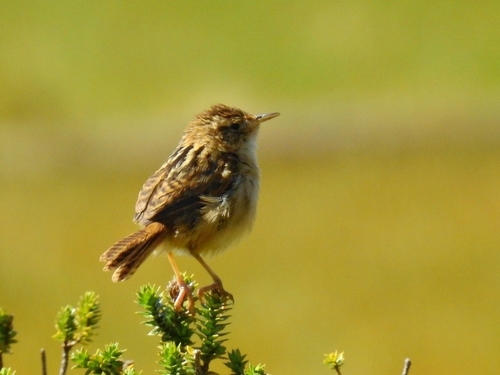
Grass Wren (Cistothorus platensis) Grass Wren
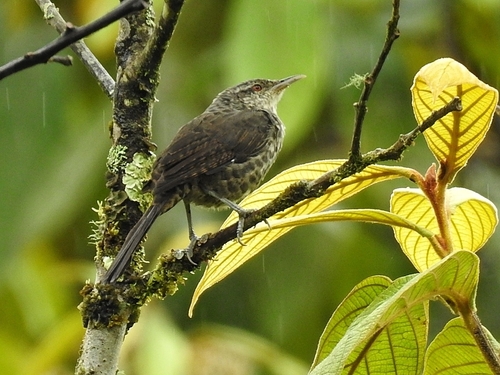
Thrush-like Wren (Campylorhynchus turdinus) Thrush-like Wren

Media

Loading…

In short

The Grass Wren is a small, inconspicuous bird of grasslands, while the Thrush-like Wren is larger, with a distinctive long tail and bill, and is often found in more wooded areas. Key differences include size, tail length, and habitat preference.

Identification tips

  1. Size and Structure: Look for the larger size and longer tail of the Thrush-like Wren. 2. Habitat: Grass Wrens are found in open grasslands, whereas Thrush-like Wrens are in wooded areas. 3. Plumage: Note the white supercilium and spotted underparts of the Thrush-like Wren. 4. Vocalization: Listen for the complex songs of the Grass Wren and the abrupt songs of the Thrush-like Wren.

Size

The Thrush-like Wren is larger and more robust than the smaller Grass Wren.

Plumage

Grass Wren is generally brown with subtle markings, while the Thrush-like Wren has a white supercilium, brown upperparts with dark barring on the wings, and white underparts with brown spots.

Behaviour

Grass Wrens are often seen skulking low in grasslands, while Thrush-like Wrens are more conspicuous, often perching prominently and moving through trees and shrubs.

Habitat

Grass Wrens inhabit grasslands, both dry and wet, across a wide range, while Thrush-like Wrens prefer more wooded areas, including forest edges and secondary growth.

Voice

Grass Wren males have a complex song repertoire, while Thrush-like Wrens are known for their varied, abrupt songs.

Submit a better description

Use the same sections as the comparison. Your text is published immediately.

The Grass Wren is a small, inconspicuous bird of grasslands, while the Thrush-like Wren is larger, with a distinctive long tail and bill, and is often found in more wooded areas. Key differences include size, tail length, and habitat preference.

  1. Size and Structure: Look for the larger size and longer tail of the Thrush-like Wren. 2. Habitat: Grass Wrens are found in open grasslands, whereas Thrush-like Wrens are in wooded areas. 3. Plumage: Note the white supercilium and spotted underparts of the Thrush-like Wren. 4. Vocalization: Listen for the complex songs of the Grass Wren and the abrupt songs of the Thrush-like Wren.

The Thrush-like Wren is larger and more robust than the smaller Grass Wren.

Grass Wren is generally brown with subtle markings, while the Thrush-like Wren has a white supercilium, brown upperparts with dark barring on the wings, and white underparts with brown spots.

Grass Wrens are often seen skulking low in grasslands, while Thrush-like Wrens are more conspicuous, often perching prominently and moving through trees and shrubs.

Grass Wrens inhabit grasslands, both dry and wet, across a wide range, while Thrush-like Wrens prefer more wooded areas, including forest edges and secondary growth.

Grass Wren males have a complex song repertoire, while Thrush-like Wrens are known for their varied, abrupt songs.

Discard your changes?

You have unsaved edits. If you leave now, those changes will be lost.

Grass Wren · Thrush-like Wren · My Tricky Birds