Birdr

Great Bustard vs Great Spotted Cuckoo

Otis tarda versus Clamator glandarius

Play a quiz with Great Bustard and Great Spotted Cuckoo
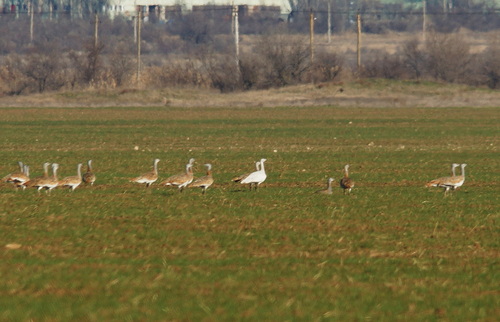
Great Bustard (Otis tarda) Great Bustard
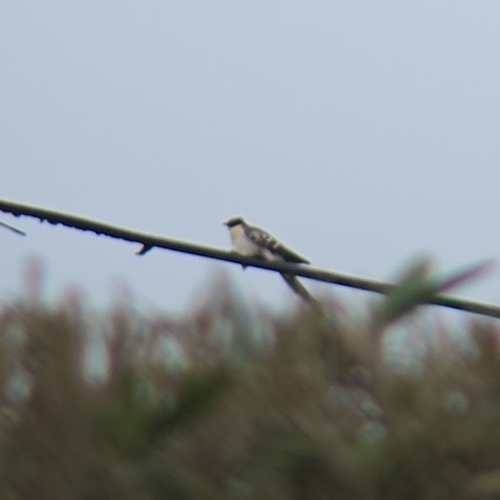
Great Spotted Cuckoo (Clamator glandarius) Great Spotted Cuckoo

Media

Loading…

In short

The Great Bustard and Great Spotted Cuckoo are distinct in size and appearance, with the bustard being much larger and heavier. The bustard is a ground-dwelling bird with a robust build, while the cuckoo is slender and arboreal. They occupy different habitats, which aids in identification.

Identification tips

1. Size and build: Look for the large, robust body of the Great Bustard compared to the slender form of the Great Spotted Cuckoo. 2. Plumage: Note the bustard's brown and white pattern versus the cuckoo's grey and chestnut coloration. 3. Habitat: Consider the environment; bustards are in open fields, cuckoos in wooded areas. 4. Behavior: Bustards are ground-dwelling, cuckoos are often seen in trees. 5. Vocalization: Listen for the cuckoo's calls, as bustards are typically silent.

Size

The Great Bustard is significantly larger, with a bulky body and long legs, while the Great Spotted Cuckoo is much smaller and slender.

Plumage

The Great Bustard has a predominantly brown and white plumage with a distinctive white neck and underparts. In contrast, the Great Spotted Cuckoo has a grey head and back with striking chestnut wings and a long tail.

Behaviour

Great Bustards are often seen in open fields or grasslands, walking or running on the ground. Great Spotted Cuckoos are more likely to be seen perched in trees or flying between them.

Habitat

Great Bustards prefer open grasslands and farmlands, while Great Spotted Cuckoos are typically found in wooded areas, often near their host species' nests.

Voice

The Great Bustard is generally silent, while the Great Spotted Cuckoo is known for its distinctive, repetitive calls.

Submit a better description

Use the same sections as the comparison. Your text is published immediately.

The Great Bustard and Great Spotted Cuckoo are distinct in size and appearance, with the bustard being much larger and heavier. The bustard is a ground-dwelling bird with a robust build, while the cuckoo is slender and arboreal. They occupy different habitats, which aids in identification.

1. Size and build: Look for the large, robust body of the Great Bustard compared to the slender form of the Great Spotted Cuckoo. 2. Plumage: Note the bustard's brown and white pattern versus the cuckoo's grey and chestnut coloration. 3. Habitat: Consider the environment; bustards are in open fields, cuckoos in wooded areas. 4. Behavior: Bustards are ground-dwelling, cuckoos are often seen in trees. 5. Vocalization: Listen for the cuckoo's calls, as bustards are typically silent.

The Great Bustard is significantly larger, with a bulky body and long legs, while the Great Spotted Cuckoo is much smaller and slender.

The Great Bustard has a predominantly brown and white plumage with a distinctive white neck and underparts. In contrast, the Great Spotted Cuckoo has a grey head and back with striking chestnut wings and a long tail.

Great Bustards are often seen in open fields or grasslands, walking or running on the ground. Great Spotted Cuckoos are more likely to be seen perched in trees or flying between them.

Great Bustards prefer open grasslands and farmlands, while Great Spotted Cuckoos are typically found in wooded areas, often near their host species' nests.

The Great Bustard is generally silent, while the Great Spotted Cuckoo is known for its distinctive, repetitive calls.

Discard your changes?

You have unsaved edits. If you leave now, those changes will be lost.

Great Bustard · Great Spotted Cuckoo · My Tricky Birds