Birdr

Great Shearwater vs Manx Shearwater

Ardenna gravis versus Puffinus puffinus

Play a quiz with Great Shearwater and Manx Shearwater
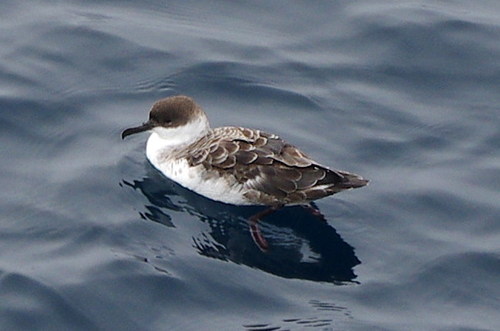
Great Shearwater (Ardenna gravis) Great Shearwater
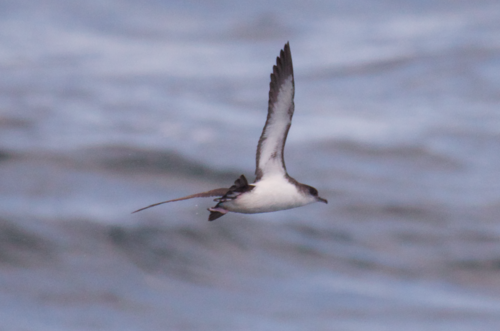
Manx Shearwater (Puffinus puffinus) Manx Shearwater

Media

Loading…

In short

The Great Shearwater and Manx Shearwater can be distinguished primarily by size and plumage patterns. Great Shearwaters are larger with a distinctive dark cap and brown belly patch, while Manx Shearwaters are smaller and have a more uniform black-and-white appearance. Observing these features in flight or at rest can help in identification.

Identification tips

  1. Size: Look for the larger size of the Great Shearwater. 2. Plumage: Note the dark cap and brown belly patch on Great Shearwaters. 3. Location and Season: Consider the time of year and location; Great Shearwaters are more common in the North Atlantic during the non-breeding season. 4. Flight Style: Observe the flight; Great Shearwaters may appear more robust and powerful.

Size

Great Shearwaters are noticeably larger than Manx Shearwaters, with a bulkier body and longer wingspan.

Plumage

Great Shearwaters have a dark cap and a brown belly patch with white underparts and variable brown markings on the underwing. Manx Shearwaters have a more uniform black upperparts and white underparts, lacking the brown belly patch.

Behaviour

Both species exhibit similar flight patterns typical of shearwaters, with long glides and few wingbeats. However, Great Shearwaters may appear more powerful in flight due to their larger size.

Habitat

Both species are pelagic and can be found in similar oceanic habitats, but Great Shearwaters are more likely to be seen in the North Atlantic during their non-breeding season, while Manx Shearwaters breed in the North Atlantic and migrate to the South Atlantic.

Voice

Vocalizations are not typically useful for distinguishing these species at sea, as both are generally silent away from breeding colonies.

Submit a better description

Use the same sections as the comparison. Your text is published immediately.

The Great Shearwater and Manx Shearwater can be distinguished primarily by size and plumage patterns. Great Shearwaters are larger with a distinctive dark cap and brown belly patch, while Manx Shearwaters are smaller and have a more uniform black-and-white appearance. Observing these features in flight or at rest can help in identification.

  1. Size: Look for the larger size of the Great Shearwater. 2. Plumage: Note the dark cap and brown belly patch on Great Shearwaters. 3. Location and Season: Consider the time of year and location; Great Shearwaters are more common in the North Atlantic during the non-breeding season. 4. Flight Style: Observe the flight; Great Shearwaters may appear more robust and powerful.

Great Shearwaters are noticeably larger than Manx Shearwaters, with a bulkier body and longer wingspan.

Great Shearwaters have a dark cap and a brown belly patch with white underparts and variable brown markings on the underwing. Manx Shearwaters have a more uniform black upperparts and white underparts, lacking the brown belly patch.

Both species exhibit similar flight patterns typical of shearwaters, with long glides and few wingbeats. However, Great Shearwaters may appear more powerful in flight due to their larger size.

Both species are pelagic and can be found in similar oceanic habitats, but Great Shearwaters are more likely to be seen in the North Atlantic during their non-breeding season, while Manx Shearwaters breed in the North Atlantic and migrate to the South Atlantic.

Vocalizations are not typically useful for distinguishing these species at sea, as both are generally silent away from breeding colonies.

Discard your changes?

You have unsaved edits. If you leave now, those changes will be lost.

Great Shearwater · Manx Shearwater · My Tricky Birds