Birdr

Great Spotted Cuckoo vs Syrian Woodpecker

Clamator glandarius versus Dendrocopos syriacus

Play a quiz with Great Spotted Cuckoo and Syrian Woodpecker
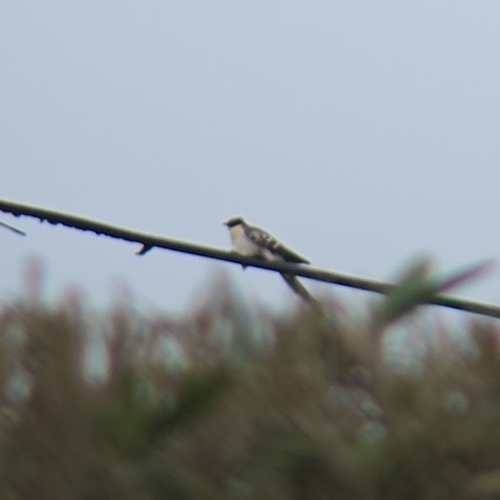
Great Spotted Cuckoo (Clamator glandarius) Great Spotted Cuckoo
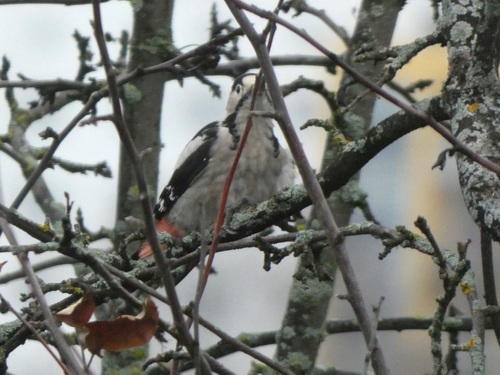
Syrian Woodpecker (Dendrocopos syriacus) Syrian Woodpecker

Media

Loading…

In short

The Great Spotted Cuckoo and the Syrian Woodpecker are distinctly different in both appearance and behavior. The cuckoo is a brood parasite with a slender body and long tail, while the woodpecker is a robust bird known for its drumming behavior. Observing their plumage and habitat preferences will help in distinguishing these species.

Identification tips

Look for the cuckoo's long tail and chestnut wings in open habitats. The woodpecker's drumming and black-and-white plumage with red accents are key in wooded areas. Note the cuckoo's flight pattern and the woodpecker's climbing behavior.

Size

The Great Spotted Cuckoo is larger and more slender than the Syrian Woodpecker, with a longer tail.

Plumage

The Great Spotted Cuckoo has a greyish-brown body with a pale underbelly and distinctive chestnut wings, while the Syrian Woodpecker features a black and white pattern with a red undertail and crown (in males).

Behaviour

The Great Spotted Cuckoo is often seen flying or perched in open areas, while the Syrian Woodpecker is typically observed climbing tree trunks and branches, often drumming on wood.

Habitat

The Great Spotted Cuckoo prefers open woodlands and scrublands, whereas the Syrian Woodpecker is found in wooded areas, orchards, and parks.

Voice

The Great Spotted Cuckoo has a distinctive, harsh call, while the Syrian Woodpecker is known for its drumming and a sharp 'kik' call.

Submit a better description

Use the same sections as the comparison. Your text is published immediately.

The Great Spotted Cuckoo and the Syrian Woodpecker are distinctly different in both appearance and behavior. The cuckoo is a brood parasite with a slender body and long tail, while the woodpecker is a robust bird known for its drumming behavior. Observing their plumage and habitat preferences will help in distinguishing these species.

Look for the cuckoo's long tail and chestnut wings in open habitats. The woodpecker's drumming and black-and-white plumage with red accents are key in wooded areas. Note the cuckoo's flight pattern and the woodpecker's climbing behavior.

The Great Spotted Cuckoo is larger and more slender than the Syrian Woodpecker, with a longer tail.

The Great Spotted Cuckoo has a greyish-brown body with a pale underbelly and distinctive chestnut wings, while the Syrian Woodpecker features a black and white pattern with a red undertail and crown (in males).

The Great Spotted Cuckoo is often seen flying or perched in open areas, while the Syrian Woodpecker is typically observed climbing tree trunks and branches, often drumming on wood.

The Great Spotted Cuckoo prefers open woodlands and scrublands, whereas the Syrian Woodpecker is found in wooded areas, orchards, and parks.

The Great Spotted Cuckoo has a distinctive, harsh call, while the Syrian Woodpecker is known for its drumming and a sharp 'kik' call.

Discard your changes?

You have unsaved edits. If you leave now, those changes will be lost.

Great Spotted Cuckoo · Syrian Woodpecker · My Tricky Birds