Birdr

Greater Honeyguide vs Brimstone Canary

Indicator indicator versus Crithagra sulphurata

Play a quiz with Greater Honeyguide and Brimstone Canary
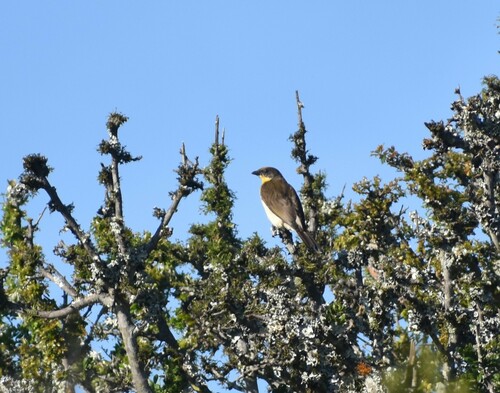
Greater Honeyguide (Indicator indicator) Greater Honeyguide
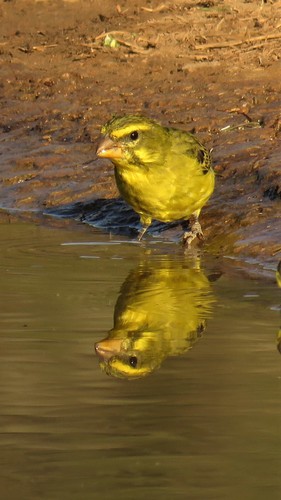
Brimstone Canary (Crithagra sulphurata) Brimstone Canary

Media

Loading…

In short

The Greater Honeyguide and Brimstone Canary are distinct in both structure and behavior. The honeyguide is a larger, more robust bird with a distinctive bill shape, while the canary is smaller and more finch-like. Their habitats and behaviors also differ significantly, aiding in identification.

Identification tips

  1. Size and Structure: Look for the larger size and more robust build of the Greater Honeyguide. 2. Plumage: Note the brighter yellow underparts of the Brimstone Canary. 3. Behavior: Observe if the bird is leading humans or animals, a behavior typical of the Greater Honeyguide. 4. Habitat: Consider the habitat; Greater Honeyguides are more likely in woodlands, while Brimstone Canaries prefer open areas. 5. Vocalizations: Listen for the repetitive call of the honeyguide versus the melodic song of the canary.

Size

The Greater Honeyguide is larger and more robust compared to the smaller, more compact Brimstone Canary.

Plumage

The Greater Honeyguide has a more muted plumage with a pale throat and belly, while the Brimstone Canary displays brighter yellow tones, especially on the underparts and face.

Behaviour

Greater Honeyguides are known for their unique behavior of leading humans to beehives, whereas Brimstone Canaries are typically seen foraging for seeds and are more terrestrial.

Habitat

Greater Honeyguides are often found in woodland and savanna regions, while Brimstone Canaries prefer open areas with scattered trees and shrubs.

Voice

The Greater Honeyguide has a distinctive, repetitive call, whereas the Brimstone Canary's song is more melodic and complex.

Submit a better description

Use the same sections as the comparison. Your text is published immediately.

The Greater Honeyguide and Brimstone Canary are distinct in both structure and behavior. The honeyguide is a larger, more robust bird with a distinctive bill shape, while the canary is smaller and more finch-like. Their habitats and behaviors also differ significantly, aiding in identification.

  1. Size and Structure: Look for the larger size and more robust build of the Greater Honeyguide. 2. Plumage: Note the brighter yellow underparts of the Brimstone Canary. 3. Behavior: Observe if the bird is leading humans or animals, a behavior typical of the Greater Honeyguide. 4. Habitat: Consider the habitat; Greater Honeyguides are more likely in woodlands, while Brimstone Canaries prefer open areas. 5. Vocalizations: Listen for the repetitive call of the honeyguide versus the melodic song of the canary.

The Greater Honeyguide is larger and more robust compared to the smaller, more compact Brimstone Canary.

The Greater Honeyguide has a more muted plumage with a pale throat and belly, while the Brimstone Canary displays brighter yellow tones, especially on the underparts and face.

Greater Honeyguides are known for their unique behavior of leading humans to beehives, whereas Brimstone Canaries are typically seen foraging for seeds and are more terrestrial.

Greater Honeyguides are often found in woodland and savanna regions, while Brimstone Canaries prefer open areas with scattered trees and shrubs.

The Greater Honeyguide has a distinctive, repetitive call, whereas the Brimstone Canary's song is more melodic and complex.

Discard your changes?

You have unsaved edits. If you leave now, those changes will be lost.

Greater Honeyguide · Brimstone Canary · My Tricky Birds