Birdr

Greater Rhea vs Whooper Swan

Rhea americana versus Cygnus cygnus

Play a quiz with Greater Rhea and Whooper Swan

Greater Rhea (Rhea americana) Greater Rhea
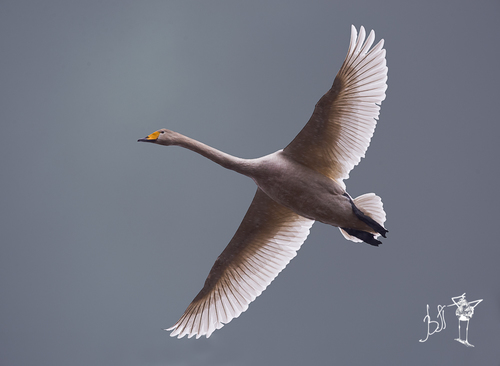
Whooper Swan (Cygnus cygnus) Whooper Swan

Media

Loading…

In short

The Greater Rhea and Whooper Swan are unlikely to be confused in the field due to their distinct size, shape, and habitat preferences. The Greater Rhea is a large, flightless bird native to South America, while the Whooper Swan is a large waterfowl found in the Northern Hemisphere. Both species are easily distinguishable by their overall appearance and behavior.

Identification tips

1. Look for the habitat: Greater Rheas are found in open grasslands, while Whooper Swans are in wetlands. 2. Note the plumage: Greater Rheas are greyish-brown and shaggy; Whooper Swans are white with yellow and black bills. 3. Observe behavior: Greater Rheas walk on land; Whooper Swans swim in water. 4. Listen for vocalizations: Whooper Swans have loud calls, while Greater Rheas are mostly silent.

Size

The Greater Rhea is a large, flightless bird standing up to 1.5 meters tall, while the Whooper Swan is a large waterfowl with a long neck and can measure up to 1.5 meters in length.

Plumage

The Greater Rhea has greyish-brown plumage with a shaggy appearance, whereas the Whooper Swan is predominantly white with a distinctive yellow and black bill.

Behaviour

Greater Rheas are terrestrial and often seen walking in open grasslands, while Whooper Swans are aquatic and typically found swimming in lakes and rivers.

Habitat

Greater Rheas inhabit grasslands and open plains in South America, while Whooper Swans prefer wetland habitats in the Northern Hemisphere.

Voice

The Greater Rhea is generally silent, but may produce low booming sounds, whereas the Whooper Swan is known for its loud, trumpeting calls.

Submit a better description

Use the same sections as the comparison. Your text is published immediately.

The Greater Rhea and Whooper Swan are unlikely to be confused in the field due to their distinct size, shape, and habitat preferences. The Greater Rhea is a large, flightless bird native to South America, while the Whooper Swan is a large waterfowl found in the Northern Hemisphere. Both species are easily distinguishable by their overall appearance and behavior.

1. Look for the habitat: Greater Rheas are found in open grasslands, while Whooper Swans are in wetlands. 2. Note the plumage: Greater Rheas are greyish-brown and shaggy; Whooper Swans are white with yellow and black bills. 3. Observe behavior: Greater Rheas walk on land; Whooper Swans swim in water. 4. Listen for vocalizations: Whooper Swans have loud calls, while Greater Rheas are mostly silent.

The Greater Rhea is a large, flightless bird standing up to 1.5 meters tall, while the Whooper Swan is a large waterfowl with a long neck and can measure up to 1.5 meters in length.

The Greater Rhea has greyish-brown plumage with a shaggy appearance, whereas the Whooper Swan is predominantly white with a distinctive yellow and black bill.

Greater Rheas are terrestrial and often seen walking in open grasslands, while Whooper Swans are aquatic and typically found swimming in lakes and rivers.

Greater Rheas inhabit grasslands and open plains in South America, while Whooper Swans prefer wetland habitats in the Northern Hemisphere.

The Greater Rhea is generally silent, but may produce low booming sounds, whereas the Whooper Swan is known for its loud, trumpeting calls.

Discard your changes?

You have unsaved edits. If you leave now, those changes will be lost.

Greater Rhea · Whooper Swan · My Tricky Birds