Birdr

Greater Yellowlegs vs Rose-throated Becard

Tringa melanoleuca versus Pachyramphus aglaiae

Play a quiz with Greater Yellowlegs and Rose-throated Becard

Greater Yellowlegs (Tringa melanoleuca) Greater Yellowlegs
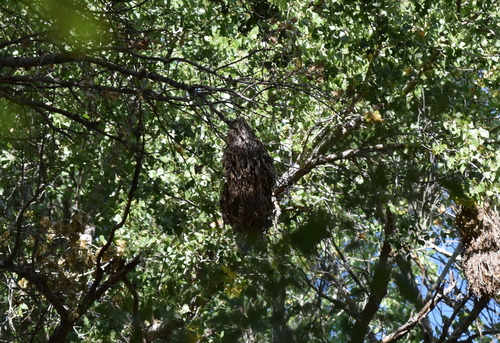
Rose-throated Becard (Pachyramphus aglaiae) Rose-throated Becard

Media

Loading…

In short

The Greater Yellowlegs and Rose-throated Becard are distinct in appearance and habitat. The Greater Yellowlegs is a shorebird with bright yellow legs and an upright stance, while the Rose-throated Becard is a passerine with a distinctive rose-colored throat patch in males. They occupy different environments, making habitat a key factor in identification.

Identification tips

1. Check the habitat: wetlands suggest Greater Yellowlegs, while forest edges suggest Rose-throated Becard. 2. Look for bright yellow legs and upright stance for Greater Yellowlegs. 3. Note the rose-colored throat in male Rose-throated Becards. 4. Listen for the Greater Yellowlegs' distinctive calls if unsure.

Size

The Greater Yellowlegs is larger and more elongated, typical of shorebirds, whereas the Rose-throated Becard is smaller and more compact, typical of passerines.

Plumage

Greater Yellowlegs have a mottled gray and white plumage with bright yellow legs. In contrast, male Rose-throated Becards have a rose-colored throat and a hidden white shoulder patch, while females are more uniformly brown.

Behaviour

Greater Yellowlegs are often seen wading in water, feeding on invertebrates and small fish. Rose-throated Becards are more arboreal, engaging in foliage-sallying and fruit-plucking behaviors.

Habitat

Greater Yellowlegs are found in wetlands, both fresh and saline, across the Americas. Rose-throated Becards inhabit forest edges and woodlands from Mexico to Central America, often in cottonwood-dominated areas in the U.S.

Voice

Greater Yellowlegs are known for their piercing alarm calls, often described as 'telltale' or 'tattler'. Rose-throated Becards have less documented vocalizations, focusing more on their courtship displays.

Submit a better description

Use the same sections as the comparison. Your text is published immediately.

The Greater Yellowlegs and Rose-throated Becard are distinct in appearance and habitat. The Greater Yellowlegs is a shorebird with bright yellow legs and an upright stance, while the Rose-throated Becard is a passerine with a distinctive rose-colored throat patch in males. They occupy different environments, making habitat a key factor in identification.

1. Check the habitat: wetlands suggest Greater Yellowlegs, while forest edges suggest Rose-throated Becard. 2. Look for bright yellow legs and upright stance for Greater Yellowlegs. 3. Note the rose-colored throat in male Rose-throated Becards. 4. Listen for the Greater Yellowlegs' distinctive calls if unsure.

The Greater Yellowlegs is larger and more elongated, typical of shorebirds, whereas the Rose-throated Becard is smaller and more compact, typical of passerines.

Greater Yellowlegs have a mottled gray and white plumage with bright yellow legs. In contrast, male Rose-throated Becards have a rose-colored throat and a hidden white shoulder patch, while females are more uniformly brown.

Greater Yellowlegs are often seen wading in water, feeding on invertebrates and small fish. Rose-throated Becards are more arboreal, engaging in foliage-sallying and fruit-plucking behaviors.

Greater Yellowlegs are found in wetlands, both fresh and saline, across the Americas. Rose-throated Becards inhabit forest edges and woodlands from Mexico to Central America, often in cottonwood-dominated areas in the U.S.

Greater Yellowlegs are known for their piercing alarm calls, often described as 'telltale' or 'tattler'. Rose-throated Becards have less documented vocalizations, focusing more on their courtship displays.

Discard your changes?

You have unsaved edits. If you leave now, those changes will be lost.

Greater Yellowlegs · Rose-throated Becard · My Tricky Birds