
Birdr

Grey-capped Pygmy Woodpecker vs Rufous-bellied Woodpecker

Yungipicus canicapillus versus Dendrocopos hyperythrus

Play a quiz with Grey-capped Pygmy Woodpecker and Rufous-bellied Woodpecker
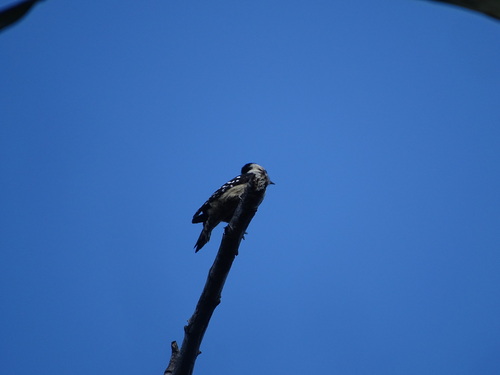
Grey-capped Pygmy Woodpecker (Yungipicus canicapillus) Grey-capped Pygmy Woodpecker
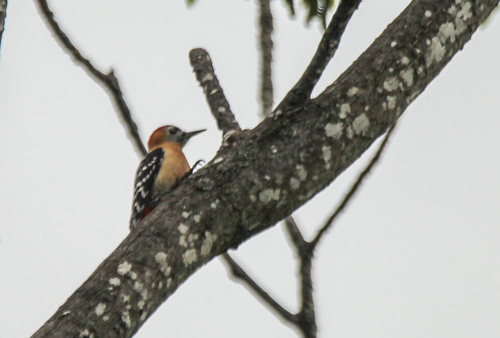
Rufous-bellied Woodpecker (Dendrocopos hyperythrus) Rufous-bellied Woodpecker

Media

Loading…

In short

The Grey-capped Pygmy Woodpecker and Rufous-bellied Woodpecker can be distinguished by size and plumage. The Grey-capped Pygmy Woodpecker is smaller with a more subdued color palette, while the Rufous-bellied Woodpecker has a distinctive rufous belly and is larger. Vocalizations differ, but may require experience to discern in the field.

Identification tips

  1. Size: Note the smaller size of the Grey-capped Pygmy Woodpecker. 2. Plumage: Look for the rufous belly on the Rufous-bellied Woodpecker. 3. Habitat: Consider the habitat; the Rufous-bellied Woodpecker is more likely in dense forests. 4. Vocalization: Listen for the louder calls of the Rufous-bellied Woodpecker, though this requires practice.

Size

The Grey-capped Pygmy Woodpecker is smaller, making it more compact compared to the larger Rufous-bellied Woodpecker.

Plumage

The Grey-capped Pygmy Woodpecker has a greyish cap and lacks the rufous belly that is a hallmark of the Rufous-bellied Woodpecker. The latter also has a more pronounced contrast between its dark upperparts and rufous underparts.

Behaviour

Both species exhibit typical woodpecker behavior, such as climbing tree trunks and branches, but the Grey-capped Pygmy Woodpecker may appear more agile due to its smaller size.

Habitat

Both species inhabit forested areas, but the Grey-capped Pygmy Woodpecker is often found in more open woodlands, whereas the Rufous-bellied Woodpecker prefers denser forest habitats.

Voice

The vocalizations of these species differ, with the Grey-capped Pygmy Woodpecker having a softer, more subdued call compared to the louder, more resonant calls of the Rufous-bellied Woodpecker. However, these differences can be subtle and require experience to distinguish.

Submit a better description

Use the same sections as the comparison. Your text is published immediately.

The Grey-capped Pygmy Woodpecker and Rufous-bellied Woodpecker can be distinguished by size and plumage. The Grey-capped Pygmy Woodpecker is smaller with a more subdued color palette, while the Rufous-bellied Woodpecker has a distinctive rufous belly and is larger. Vocalizations differ, but may require experience to discern in the field.

  1. Size: Note the smaller size of the Grey-capped Pygmy Woodpecker. 2. Plumage: Look for the rufous belly on the Rufous-bellied Woodpecker. 3. Habitat: Consider the habitat; the Rufous-bellied Woodpecker is more likely in dense forests. 4. Vocalization: Listen for the louder calls of the Rufous-bellied Woodpecker, though this requires practice.

The Grey-capped Pygmy Woodpecker is smaller, making it more compact compared to the larger Rufous-bellied Woodpecker.

The Grey-capped Pygmy Woodpecker has a greyish cap and lacks the rufous belly that is a hallmark of the Rufous-bellied Woodpecker. The latter also has a more pronounced contrast between its dark upperparts and rufous underparts.

Both species exhibit typical woodpecker behavior, such as climbing tree trunks and branches, but the Grey-capped Pygmy Woodpecker may appear more agile due to its smaller size.

Both species inhabit forested areas, but the Grey-capped Pygmy Woodpecker is often found in more open woodlands, whereas the Rufous-bellied Woodpecker prefers denser forest habitats.

The vocalizations of these species differ, with the Grey-capped Pygmy Woodpecker having a softer, more subdued call compared to the louder, more resonant calls of the Rufous-bellied Woodpecker. However, these differences can be subtle and require experience to distinguish.

Discard your changes?

You have unsaved edits. If you leave now, those changes will be lost.

Grey-capped Pygmy Woodpecker · Rufous-bellied Woodpecker · My Tricky Birds