Birdr

Grey-cheeked Bulbul vs White-throated Bulbul

Alophoixus tephrogenys versus Alophoixus flaveolus

Play a quiz with Grey-cheeked Bulbul and White-throated Bulbul
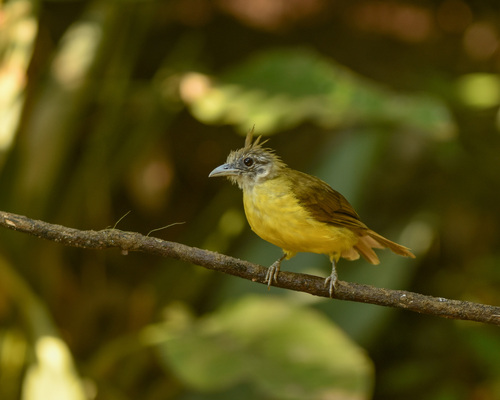
Grey-cheeked Bulbul (Alophoixus tephrogenys) Grey-cheeked Bulbul
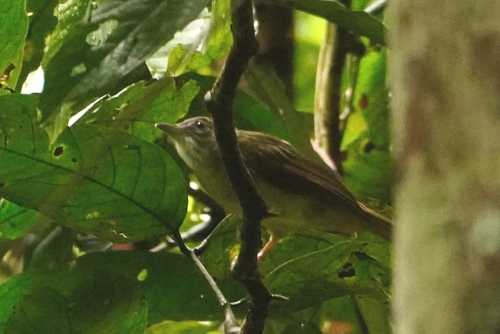
White-throated Bulbul (Alophoixus flaveolus) White-throated Bulbul

Media

Loading…

In short

The Grey-cheeked Bulbul and White-throated Bulbul are both medium-sized bulbuls with subtle differences in plumage and habitat preferences. Key differences include the throat and cheek coloration, which are reliable field marks. Both species share a similar structure, making color and habitat the primary distinguishing features.

Identification tips

  1. Throat Color: Look for the grey throat in Grey-cheeked and white throat in White-throated. 2. Cheek Color: Grey-cheeked has greyish cheeks, while White-throated lacks this feature. 3. Habitat: Note the elevation and forest type; Grey-cheeked prefers lowland, White-throated favors higher elevations. 4. Listen: Pay attention to vocalizations if you are familiar with their calls.

Size

Both species are similar in size, typical of medium-sized bulbuls.

Plumage

The Grey-cheeked Bulbul has a greyish cheek and throat, while the White-throated Bulbul features a distinct white throat. The rest of their plumage is generally similar, with olive-brown upperparts and paler underparts.

Behaviour

Both species exhibit similar behavior typical of bulbuls, often seen foraging in the mid to upper canopy.

Habitat

Grey-cheeked Bulbul is typically found in lowland forests, while the White-throated Bulbul prefers foothill and montane forests. Overlapping ranges can occur, but habitat preference is a useful clue.

Voice

Vocalizations are not distinctly different to the casual observer, but experienced birders may note subtle differences in their calls.

Submit a better description

Use the same sections as the comparison. Your text is published immediately.

The Grey-cheeked Bulbul and White-throated Bulbul are both medium-sized bulbuls with subtle differences in plumage and habitat preferences. Key differences include the throat and cheek coloration, which are reliable field marks. Both species share a similar structure, making color and habitat the primary distinguishing features.

  1. Throat Color: Look for the grey throat in Grey-cheeked and white throat in White-throated. 2. Cheek Color: Grey-cheeked has greyish cheeks, while White-throated lacks this feature. 3. Habitat: Note the elevation and forest type; Grey-cheeked prefers lowland, White-throated favors higher elevations. 4. Listen: Pay attention to vocalizations if you are familiar with their calls.

Both species are similar in size, typical of medium-sized bulbuls.

The Grey-cheeked Bulbul has a greyish cheek and throat, while the White-throated Bulbul features a distinct white throat. The rest of their plumage is generally similar, with olive-brown upperparts and paler underparts.

Both species exhibit similar behavior typical of bulbuls, often seen foraging in the mid to upper canopy.

Grey-cheeked Bulbul is typically found in lowland forests, while the White-throated Bulbul prefers foothill and montane forests. Overlapping ranges can occur, but habitat preference is a useful clue.

Vocalizations are not distinctly different to the casual observer, but experienced birders may note subtle differences in their calls.

Discard your changes?

You have unsaved edits. If you leave now, those changes will be lost.

Grey-cheeked Bulbul · White-throated Bulbul · My Tricky Birds