Birdr

Grey-cheeked Thrush vs Mountain Thrush

Catharus minimus versus Turdus plebejus

Play a quiz with Grey-cheeked Thrush and Mountain Thrush
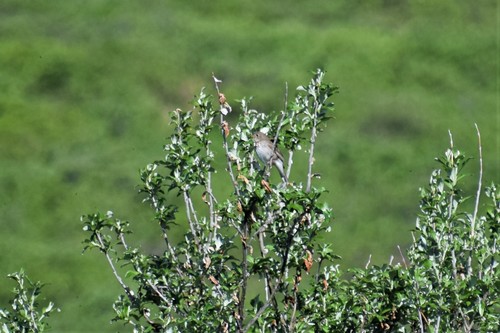
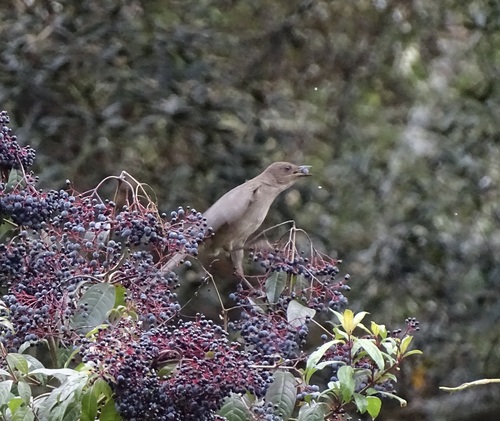
Grey-cheeked Thrush (Catharus minimus) Grey-cheeked Thrush
Mountain Thrush (Turdus plebejus) Mountain Thrush

Media

Loading…

In short

The Grey-cheeked Thrush and Mountain Thrush can be distinguished by their structure and habitat preferences. The Grey-cheeked Thrush is more slender with a shorter bill, while the Mountain Thrush is bulkier with a darker overall plumage. Habitat is a key differentiator, with the Grey-cheeked Thrush favoring northern coniferous forests and the Mountain Thrush inhabiting high-elevation forests in Central America.

Identification tips

1. Structure: Look for the more slender build and shorter bill of the Grey-cheeked Thrush. 2. Habitat: Note the habitat; Grey-cheeked Thrushes are in northern forests, Mountain Thrushes in high-elevation Central American forests. 3. Plumage: Observe the overall color; Grey-cheeked Thrush is greyer, Mountain Thrush is darker olive-brown. 4. Behavior: Grey-cheeked Thrushes are more secretive in dense cover, while Mountain Thrushes are more visible in open areas.

Size

The Grey-cheeked Thrush is generally more slender and smaller compared to the larger, bulkier Mountain Thrush.

Plumage

The Grey-cheeked Thrush has a more uniform grey-brown plumage with a paler face and throat, while the Mountain Thrush is very dark olive-brown throughout with a slightly paler, streaked throat.

Behaviour

Both species exhibit typical thrush behavior, but the Grey-cheeked Thrush is more often seen foraging in dense undergrowth, whereas the Mountain Thrush is more conspicuous in open areas within its high-elevation habitat.

Habitat

The Grey-cheeked Thrush breeds in northern coniferous forests and dense undergrowth, while the Mountain Thrush is found in a variety of forest types at higher elevations from southeastern Mexico to western Panama.

Voice

Vocalizations are not well-documented for these species in the provided notes, but generally, thrushes have distinct songs and calls that can aid in identification.

Submit a better description

Use the same sections as the comparison. Your text is published immediately.

The Grey-cheeked Thrush and Mountain Thrush can be distinguished by their structure and habitat preferences. The Grey-cheeked Thrush is more slender with a shorter bill, while the Mountain Thrush is bulkier with a darker overall plumage. Habitat is a key differentiator, with the Grey-cheeked Thrush favoring northern coniferous forests and the Mountain Thrush inhabiting high-elevation forests in Central America.

1. Structure: Look for the more slender build and shorter bill of the Grey-cheeked Thrush. 2. Habitat: Note the habitat; Grey-cheeked Thrushes are in northern forests, Mountain Thrushes in high-elevation Central American forests. 3. Plumage: Observe the overall color; Grey-cheeked Thrush is greyer, Mountain Thrush is darker olive-brown. 4. Behavior: Grey-cheeked Thrushes are more secretive in dense cover, while Mountain Thrushes are more visible in open areas.

The Grey-cheeked Thrush is generally more slender and smaller compared to the larger, bulkier Mountain Thrush.

The Grey-cheeked Thrush has a more uniform grey-brown plumage with a paler face and throat, while the Mountain Thrush is very dark olive-brown throughout with a slightly paler, streaked throat.

Both species exhibit typical thrush behavior, but the Grey-cheeked Thrush is more often seen foraging in dense undergrowth, whereas the Mountain Thrush is more conspicuous in open areas within its high-elevation habitat.

The Grey-cheeked Thrush breeds in northern coniferous forests and dense undergrowth, while the Mountain Thrush is found in a variety of forest types at higher elevations from southeastern Mexico to western Panama.

Vocalizations are not well-documented for these species in the provided notes, but generally, thrushes have distinct songs and calls that can aid in identification.

Discard your changes?

You have unsaved edits. If you leave now, those changes will be lost.

Grey-cheeked Thrush · Mountain Thrush · My Tricky Birds