Birdr

Grey-headed Swamphen vs Watercock

Porphyrio poliocephalus versus Gallicrex cinerea

Play a quiz with Grey-headed Swamphen and Watercock
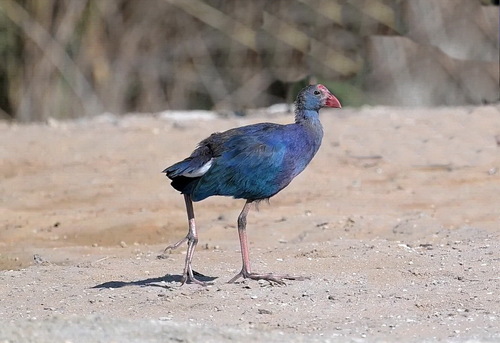
Grey-headed Swamphen (Porphyrio poliocephalus) Grey-headed Swamphen
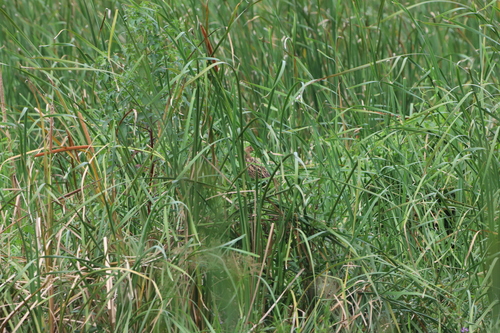
Watercock (Gallicrex cinerea) Watercock

Media

Loading…

In short

The Grey-headed Swamphen and the Watercock are both large, rail-like birds found in wetlands, but they can be distinguished by their structure and coloration. The Grey-headed Swamphen has a robust build with a prominent frontal shield, while the Watercock is more slender with a distinctive long neck and bill. Their plumage and behavior also offer clues for identification.

Identification tips

  1. Check the bill and frontal shield: The Grey-headed Swamphen has a large, red bill with a prominent frontal shield, while the Watercock has a longer, more slender bill without a prominent shield. 2. Observe plumage coloration: Look for the grey head and purple-blue body of the Swamphen versus the darker, more uniform plumage of the Watercock. 3. Note habitat preference: Swamphens are more often in open areas, while Watercocks prefer dense vegetation. 4. Listen for vocalizations: Swamphens have loud, harsh calls compared to the Watercock's softer grunts and whistles.

Size

The Grey-headed Swamphen is generally bulkier and more robust compared to the more slender Watercock.

Plumage

The Grey-headed Swamphen features a striking grey head and rich purple-blue body, whereas the Watercock, especially the male, has a more uniform dark plumage with a distinctive white undertail coverts during breeding season. Females and non-breeding males of the Watercock are more cryptically colored with brown and buff tones.

Behaviour

Grey-headed Swamphens are often seen walking slowly and deliberately, using their strong legs to forage in shallow water. Watercocks, on the other hand, tend to be more secretive and are often found skulking in dense vegetation.

Habitat

Both species inhabit wetlands, but the Grey-headed Swamphen is more likely to be seen in open marshes and reed beds, while the Watercock prefers dense, grassy wetlands and rice paddies.

Voice

The Grey-headed Swamphen is known for its loud, harsh calls, while the Watercock's vocalizations are less well-documented but include a variety of grunts and whistles.

Submit a better description

Use the same sections as the comparison. Your text is published immediately.

The Grey-headed Swamphen and the Watercock are both large, rail-like birds found in wetlands, but they can be distinguished by their structure and coloration. The Grey-headed Swamphen has a robust build with a prominent frontal shield, while the Watercock is more slender with a distinctive long neck and bill. Their plumage and behavior also offer clues for identification.

  1. Check the bill and frontal shield: The Grey-headed Swamphen has a large, red bill with a prominent frontal shield, while the Watercock has a longer, more slender bill without a prominent shield. 2. Observe plumage coloration: Look for the grey head and purple-blue body of the Swamphen versus the darker, more uniform plumage of the Watercock. 3. Note habitat preference: Swamphens are more often in open areas, while Watercocks prefer dense vegetation. 4. Listen for vocalizations: Swamphens have loud, harsh calls compared to the Watercock's softer grunts and whistles.

The Grey-headed Swamphen is generally bulkier and more robust compared to the more slender Watercock.

The Grey-headed Swamphen features a striking grey head and rich purple-blue body, whereas the Watercock, especially the male, has a more uniform dark plumage with a distinctive white undertail coverts during breeding season. Females and non-breeding males of the Watercock are more cryptically colored with brown and buff tones.

Grey-headed Swamphens are often seen walking slowly and deliberately, using their strong legs to forage in shallow water. Watercocks, on the other hand, tend to be more secretive and are often found skulking in dense vegetation.

Both species inhabit wetlands, but the Grey-headed Swamphen is more likely to be seen in open marshes and reed beds, while the Watercock prefers dense, grassy wetlands and rice paddies.

The Grey-headed Swamphen is known for its loud, harsh calls, while the Watercock's vocalizations are less well-documented but include a variety of grunts and whistles.

Discard your changes?

You have unsaved edits. If you leave now, those changes will be lost.

Grey-headed Swamphen · Watercock · My Tricky Birds