Birdr

Grey Nightjar vs Indian Nightjar

Caprimulgus jotaka versus Caprimulgus asiaticus

Play a quiz with Grey Nightjar and Indian Nightjar
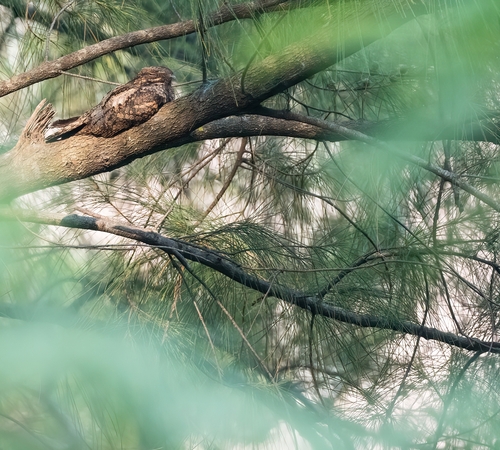
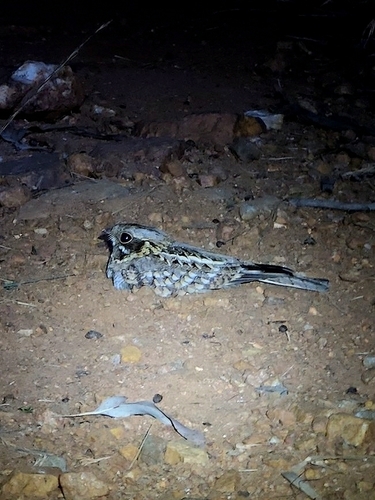
Grey Nightjar (Caprimulgus jotaka) Grey Nightjar
Indian Nightjar (Caprimulgus asiaticus) Indian Nightjar

Media

Loading…

In short

The Grey Nightjar (Caprimulgus jotaka) and Indian Nightjar (Caprimulgus asiaticus) can be distinguished by their structure and vocalizations. The Grey Nightjar is generally larger with longer wings and tail, while the Indian Nightjar is more compact. Their calls are distinct, with the Grey Nightjar having a more melodious song.

Identification tips

  1. Size and Structure: Look for the larger size and longer wings of the Grey Nightjar. 2. Vocalizations: Listen for the melodious song of the Grey Nightjar versus the mechanical call of the Indian Nightjar. 3. Habitat: Note the habitat; Grey Nightjar in forests, Indian Nightjar in open areas. 4. Plumage: While both are cryptic, the Grey Nightjar may appear darker.

Size

Grey Nightjar is larger with longer wings and tail compared to the more compact Indian Nightjar.

Plumage

Both species have cryptic plumage with mottled brown, grey, and buff patterns. The Grey Nightjar may appear slightly darker and more uniform than the Indian Nightjar.

Behaviour

Both species are nocturnal and exhibit similar behaviors such as hawking for insects at dusk. No significant behavioral differences noted.

Habitat

Grey Nightjar prefers more forested areas, while Indian Nightjar is often found in open woodlands and scrublands.

Voice

Grey Nightjar has a melodious, repetitive song, while the Indian Nightjar's call is a more mechanical 'chuk-chuk-chuk'.

Submit a better description

Use the same sections as the comparison. Your text is published immediately.

The Grey Nightjar (Caprimulgus jotaka) and Indian Nightjar (Caprimulgus asiaticus) can be distinguished by their structure and vocalizations. The Grey Nightjar is generally larger with longer wings and tail, while the Indian Nightjar is more compact. Their calls are distinct, with the Grey Nightjar having a more melodious song.

  1. Size and Structure: Look for the larger size and longer wings of the Grey Nightjar. 2. Vocalizations: Listen for the melodious song of the Grey Nightjar versus the mechanical call of the Indian Nightjar. 3. Habitat: Note the habitat; Grey Nightjar in forests, Indian Nightjar in open areas. 4. Plumage: While both are cryptic, the Grey Nightjar may appear darker.

Grey Nightjar is larger with longer wings and tail compared to the more compact Indian Nightjar.

Both species have cryptic plumage with mottled brown, grey, and buff patterns. The Grey Nightjar may appear slightly darker and more uniform than the Indian Nightjar.

Both species are nocturnal and exhibit similar behaviors such as hawking for insects at dusk. No significant behavioral differences noted.

Grey Nightjar prefers more forested areas, while Indian Nightjar is often found in open woodlands and scrublands.

Grey Nightjar has a melodious, repetitive song, while the Indian Nightjar's call is a more mechanical 'chuk-chuk-chuk'.

Discard your changes?

You have unsaved edits. If you leave now, those changes will be lost.

Grey Nightjar · Indian Nightjar · My Tricky Birds