Birdr

Grey Nightjar vs Savanna Nightjar

Caprimulgus jotaka versus Caprimulgus affinis

Play a quiz with Grey Nightjar and Savanna Nightjar
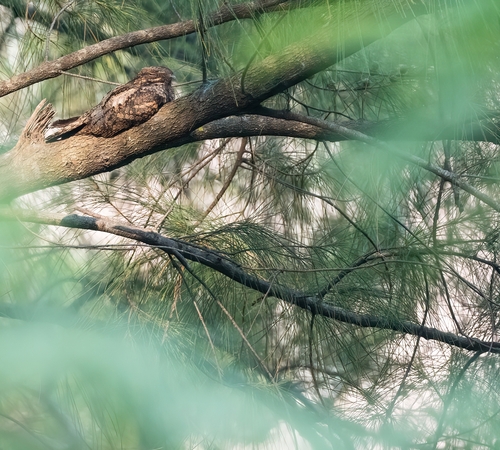
Grey Nightjar (Caprimulgus jotaka) Grey Nightjar
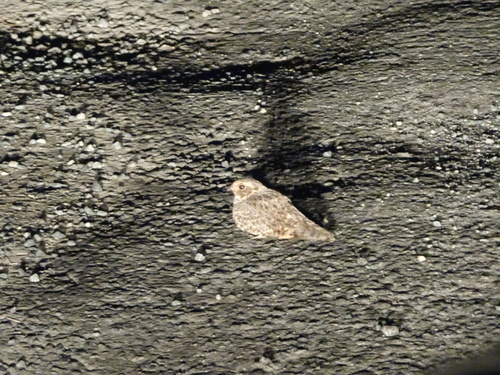
Savanna Nightjar (Caprimulgus affinis) Savanna Nightjar

Media

Loading…

In short

The Grey Nightjar and Savanna Nightjar are similar in appearance, but can be distinguished by their habitat preferences and vocalizations. The Grey Nightjar is typically found in forested areas, while the Savanna Nightjar prefers open grasslands and savannas. Their calls also differ, with the Grey Nightjar having a more varied and complex song.

Identification tips

  1. Habitat: Check the surrounding environment; forested areas suggest Grey Nightjar, open grasslands suggest Savanna Nightjar. 2. Vocalizations: Listen for the complexity of the call; a more varied song indicates a Grey Nightjar. 3. Plumage: Look for overall tone; the Grey Nightjar may appear darker and more uniform.

Size

Both species are similar in size, typical of nightjars, with no significant size difference noted.

Plumage

Both have cryptic plumage with mottled greys and browns, making them hard to distinguish by color alone. The Grey Nightjar may appear slightly darker and more uniform in tone.

Behaviour

Both species are nocturnal and often roost on the ground during the day. They exhibit similar flight patterns, being agile and silent in the air.

Habitat

The Grey Nightjar is more often found in forested or wooded areas, while the Savanna Nightjar prefers open spaces like grasslands and savannas.

Voice

The Grey Nightjar has a more complex and varied song, whereas the Savanna Nightjar's call is simpler and more repetitive.

Submit a better description

Use the same sections as the comparison. Your text is published immediately.

The Grey Nightjar and Savanna Nightjar are similar in appearance, but can be distinguished by their habitat preferences and vocalizations. The Grey Nightjar is typically found in forested areas, while the Savanna Nightjar prefers open grasslands and savannas. Their calls also differ, with the Grey Nightjar having a more varied and complex song.

  1. Habitat: Check the surrounding environment; forested areas suggest Grey Nightjar, open grasslands suggest Savanna Nightjar. 2. Vocalizations: Listen for the complexity of the call; a more varied song indicates a Grey Nightjar. 3. Plumage: Look for overall tone; the Grey Nightjar may appear darker and more uniform.

Both species are similar in size, typical of nightjars, with no significant size difference noted.

Both have cryptic plumage with mottled greys and browns, making them hard to distinguish by color alone. The Grey Nightjar may appear slightly darker and more uniform in tone.

Both species are nocturnal and often roost on the ground during the day. They exhibit similar flight patterns, being agile and silent in the air.

The Grey Nightjar is more often found in forested or wooded areas, while the Savanna Nightjar prefers open spaces like grasslands and savannas.

The Grey Nightjar has a more complex and varied song, whereas the Savanna Nightjar's call is simpler and more repetitive.

Discard your changes?

You have unsaved edits. If you leave now, those changes will be lost.

Grey Nightjar · Savanna Nightjar · My Tricky Birds