Birdr

Grey Phalarope vs Grey Vireo

Phalaropus fulicarius versus Vireo vicinior

Play a quiz with Grey Phalarope and Grey Vireo
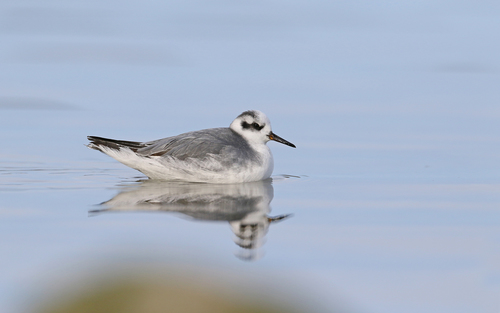
Grey Phalarope (Phalaropus fulicarius) Grey Phalarope
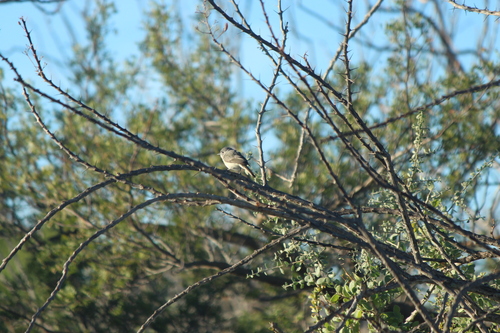
Grey Vireo (Vireo vicinior) Grey Vireo

Media

Loading…

In short

The Grey Phalarope (Red Phalarope) and Grey Vireo are distinct in both appearance and habitat. The phalarope is a wading bird found in coastal and pelagic environments, while the vireo is a small songbird of arid, inland regions. Key differences include the phalarope's aquatic behavior and the vireo's distinctive song.

Identification tips

  1. Habitat: Check the environment; phalaropes are in water, vireos in dry, inland areas. 2. Behavior: Look for spinning behavior in water for phalaropes. 3. Plumage: Note the reddish breeding plumage of phalaropes versus the grey of vireos. 4. Size and Shape: Phalaropes are larger and more robust, while vireos are smaller and more delicate. 5. Vocalization: Listen for the vireo's distinctive song.

Size

Grey Phalarope is larger and more robust, adapted for aquatic life, whereas Grey Vireo is smaller and more delicate, typical of passerines.

Plumage

Grey Phalarope has a striking breeding plumage with a reddish body, while Grey Vireo is consistently grey with no seasonal variation. The phalarope's plumage is more vibrant and sexually dimorphic.

Behaviour

Grey Phalarope is often seen spinning on water surfaces to feed, a behavior absent in Grey Vireo, which forages in trees and shrubs.

Habitat

Grey Phalarope is found in coastal and pelagic zones, often near whales, while Grey Vireo inhabits arid, inland areas with juniper and oak.

Voice

Grey Vireo has a harsh, three- to four-note song, often the first clue to its presence. Grey Phalarope is not noted for distinctive vocalizations.

Submit a better description

Use the same sections as the comparison. Your text is published immediately.

The Grey Phalarope (Red Phalarope) and Grey Vireo are distinct in both appearance and habitat. The phalarope is a wading bird found in coastal and pelagic environments, while the vireo is a small songbird of arid, inland regions. Key differences include the phalarope's aquatic behavior and the vireo's distinctive song.

  1. Habitat: Check the environment; phalaropes are in water, vireos in dry, inland areas. 2. Behavior: Look for spinning behavior in water for phalaropes. 3. Plumage: Note the reddish breeding plumage of phalaropes versus the grey of vireos. 4. Size and Shape: Phalaropes are larger and more robust, while vireos are smaller and more delicate. 5. Vocalization: Listen for the vireo's distinctive song.

Grey Phalarope is larger and more robust, adapted for aquatic life, whereas Grey Vireo is smaller and more delicate, typical of passerines.

Grey Phalarope has a striking breeding plumage with a reddish body, while Grey Vireo is consistently grey with no seasonal variation. The phalarope's plumage is more vibrant and sexually dimorphic.

Grey Phalarope is often seen spinning on water surfaces to feed, a behavior absent in Grey Vireo, which forages in trees and shrubs.

Grey Phalarope is found in coastal and pelagic zones, often near whales, while Grey Vireo inhabits arid, inland areas with juniper and oak.

Grey Vireo has a harsh, three- to four-note song, often the first clue to its presence. Grey Phalarope is not noted for distinctive vocalizations.

Discard your changes?

You have unsaved edits. If you leave now, those changes will be lost.

Grey Phalarope · Grey Vireo · My Tricky Birds