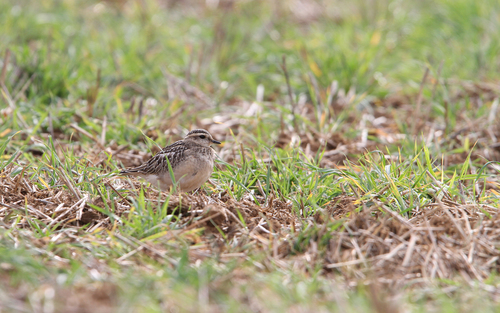
Grey Plover vs Eurasian Dotterel
Pluvialis squatarola versus Eudromias morinellus
Play a quiz with Grey Plover and Eurasian Dotterel
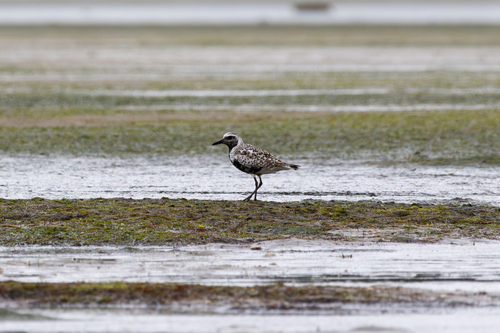
Grey Plover
Eurasian Dotterel
In short
The Grey Plover (Pluvialis squatarola) and the Eurasian Dotterel (Eudromias morinellus) can be distinguished by their structure and plumage. The Grey Plover is larger with a more robust build, while the Eurasian Dotterel is smaller and more compact. Key plumage differences include the Grey Plover's distinctive black belly in breeding plumage and the Eurasian Dotterel's striking white supercilium and chestnut breast band.
Identification tips
- Size and Structure: Look for the larger size and more robust build of the Grey Plover. 2. Plumage: In breeding season, check for the Grey Plover's black belly versus the Eurasian Dotterel's chestnut breast band and white supercilium. 3. Behavior: Note the Grey Plover's tendency to act as a sentinel with frequent alarm calls. 4. Habitat: Consider the habitat; Grey Plovers are more coastal, while Eurasian Dotterels are found in upland and tundra regions during breeding.
Size
The Grey Plover is larger and more robust compared to the smaller, more compact Eurasian Dotterel.
Plumage
In breeding plumage, the Grey Plover has a black belly, whereas the Eurasian Dotterel features a white supercilium and a chestnut breast band. Outside of breeding season, the Grey Plover's plumage is more muted, but it retains a greyish tone, while the Eurasian Dotterel maintains its distinctive facial markings.
Behaviour
The Grey Plover is known for being wary and quick to give alarm calls, often acting as a sentinel in mixed-species flocks. The Eurasian Dotterel is less conspicuous and often found in small groups.
Habitat
The Grey Plover is typically found in coastal habitats during migration and winter, while the Eurasian Dotterel prefers upland and tundra regions during breeding, migrating to more open, arid areas in winter.
Voice
The Grey Plover is known for its alarm calls, which are more frequent and noticeable compared to the Eurasian Dotterel, which is generally quieter.