Birdr

Grey-throated Leaftosser vs Ruddy Woodcreeper

Sclerurus albigularis versus Dendrocincla homochroa

Play a quiz with Grey-throated Leaftosser and Ruddy Woodcreeper
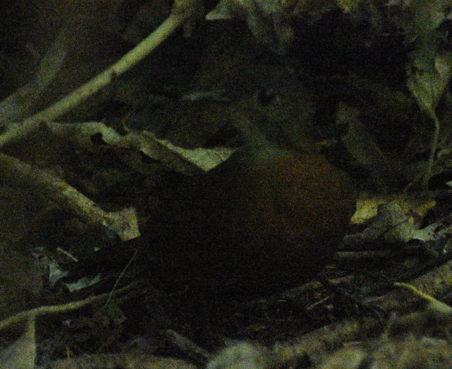
Grey-throated Leaftosser (Sclerurus albigularis) Grey-throated Leaftosser
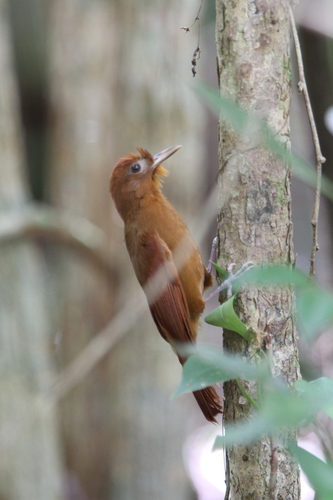
Ruddy Woodcreeper (Dendrocincla homochroa) Ruddy Woodcreeper

Media

Loading…

In short

The Grey-throated Leaftosser and Ruddy Woodcreeper can be distinguished by their bill shape and plumage details. The Leaftosser has a shorter, more robust bill, while the Woodcreeper's bill is longer and straighter. Look for differences in throat color and overall plumage tone.

Identification tips

  1. Bill shape: Leaftosser has a shorter, stouter bill; Woodcreeper's is longer and straighter. 2. Throat color: Look for grey throat in Leaftosser. 3. Plumage tone: Leaftosser is darker; Woodcreeper is more uniformly rufous-brown. 4. Behavior: Observe foraging habits; Woodcreeper often follows ant swarms.

Size

Both species are similar in size, typical of small to medium-sized forest birds.

Plumage

The Grey-throated Leaftosser has a grey throat and darker overall plumage, whereas the Ruddy Woodcreeper features a more uniform rufous-brown coloration with greyish lores.

Behaviour

The Ruddy Woodcreeper often follows army ant swarms and is seen in mixed-species flocks, while the Grey-throated Leaftosser is more solitary and forages on the forest floor.

Habitat

Both species inhabit forested areas, but the Ruddy Woodcreeper is more frequently associated with army ant swarms in dense forest environments.

Voice

Vocalizations are not well-documented for these species in the provided notes, but the Ruddy Woodcreeper may be more vocal when following ant swarms.

Submit a better description

Use the same sections as the comparison. Your text is published immediately.

The Grey-throated Leaftosser and Ruddy Woodcreeper can be distinguished by their bill shape and plumage details. The Leaftosser has a shorter, more robust bill, while the Woodcreeper's bill is longer and straighter. Look for differences in throat color and overall plumage tone.

  1. Bill shape: Leaftosser has a shorter, stouter bill; Woodcreeper's is longer and straighter. 2. Throat color: Look for grey throat in Leaftosser. 3. Plumage tone: Leaftosser is darker; Woodcreeper is more uniformly rufous-brown. 4. Behavior: Observe foraging habits; Woodcreeper often follows ant swarms.

Both species are similar in size, typical of small to medium-sized forest birds.

The Grey-throated Leaftosser has a grey throat and darker overall plumage, whereas the Ruddy Woodcreeper features a more uniform rufous-brown coloration with greyish lores.

The Ruddy Woodcreeper often follows army ant swarms and is seen in mixed-species flocks, while the Grey-throated Leaftosser is more solitary and forages on the forest floor.

Both species inhabit forested areas, but the Ruddy Woodcreeper is more frequently associated with army ant swarms in dense forest environments.

Vocalizations are not well-documented for these species in the provided notes, but the Ruddy Woodcreeper may be more vocal when following ant swarms.

Discard your changes?

You have unsaved edits. If you leave now, those changes will be lost.

Grey-throated Leaftosser · Ruddy Woodcreeper · My Tricky Birds