Birdr

Hazel Grouse vs Grey Partridge

Tetrastes bonasia versus Perdix perdix

Play a quiz with Hazel Grouse and Grey Partridge
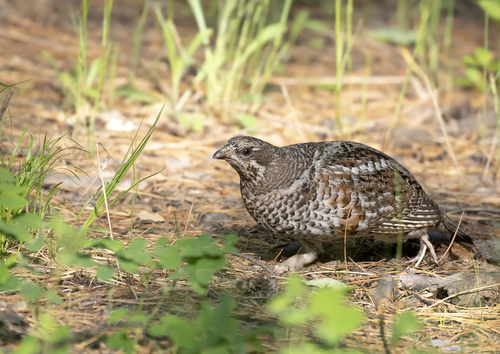
Hazel Grouse (Tetrastes bonasia) Hazel Grouse
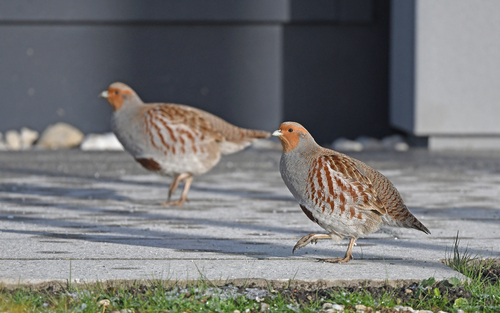
Grey Partridge (Perdix perdix) Grey Partridge

Media

Loading…

In short

The Hazel Grouse and Grey Partridge can be distinguished primarily by their habitat preferences and plumage patterns. Hazel Grouse typically inhabit dense forests, while Grey Partridges are found in open fields. In terms of plumage, Hazel Grouse have more intricate and cryptic patterns compared to the more uniform and earthy tones of the Grey Partridge.

Identification tips

Habitat is a key differentiator: look for Hazel Grouse in forests and Grey Partridges in open fields. Plumage differences include the more cryptic patterns of the Hazel Grouse versus the uniform tones and orange face of the Grey Partridge.

Plumage

Hazel Grouse exhibit more intricate and cryptic plumage patterns, often with mottled browns and greys, which help them blend into forest environments. In contrast, Grey Partridges have more uniform and earthy tones, with a generally greyish-brown appearance and a distinctive orange face.

Habitat

Hazel Grouse are typically found in dense, mixed or coniferous forests, while Grey Partridges prefer open fields and farmlands.

Submit a better description

Use the same sections as the comparison. Your text is published immediately.

The Hazel Grouse and Grey Partridge can be distinguished primarily by their habitat preferences and plumage patterns. Hazel Grouse typically inhabit dense forests, while Grey Partridges are found in open fields. In terms of plumage, Hazel Grouse have more intricate and cryptic patterns compared to the more uniform and earthy tones of the Grey Partridge.

Habitat is a key differentiator: look for Hazel Grouse in forests and Grey Partridges in open fields. Plumage differences include the more cryptic patterns of the Hazel Grouse versus the uniform tones and orange face of the Grey Partridge.

Hazel Grouse exhibit more intricate and cryptic plumage patterns, often with mottled browns and greys, which help them blend into forest environments. In contrast, Grey Partridges have more uniform and earthy tones, with a generally greyish-brown appearance and a distinctive orange face.

Hazel Grouse are typically found in dense, mixed or coniferous forests, while Grey Partridges prefer open fields and farmlands.

Discard your changes?

You have unsaved edits. If you leave now, those changes will be lost.

Hazel Grouse · Grey Partridge · My Tricky Birds