Birdr

Hazel Grouse vs Willow Ptarmigan

Tetrastes bonasia versus Lagopus lagopus

Play a quiz with Hazel Grouse and Willow Ptarmigan
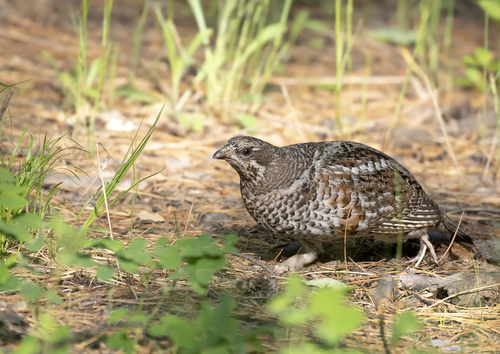
Hazel Grouse (Tetrastes bonasia) Hazel Grouse
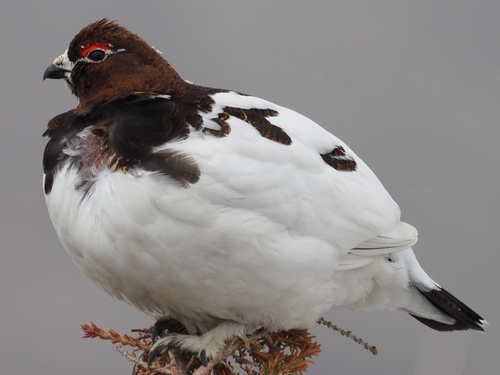
Willow Ptarmigan (Lagopus lagopus) Willow Ptarmigan

Media

Loading…

In short

The Hazel Grouse and Willow Ptarmigan are both ground-dwelling birds in the Phasianidae family, but they can be distinguished by their plumage and behavior. The Hazel Grouse is more elusive and prefers dense forests, while the Willow Ptarmigan is more approachable and found in open tundra habitats. Plumage differences are most notable in winter when the Willow Ptarmigan turns entirely white.

Identification tips

  1. Plumage in Winter: Look for the Willow Ptarmigan's all-white winter plumage. 2. Habitat: Note the habitat; Hazel Grouse prefers dense forests, while Willow Ptarmigan is in open tundra. 3. Size and Shape: The Hazel Grouse is smaller and more compact. 4. Behavior: Observe behavior; Willow Ptarmigan is less shy and more visible. 5. Vocalizations: Listen for the Willow Ptarmigan's clucking calls, especially in open areas.

Size

The Hazel Grouse is generally smaller and more compact than the larger, bulkier Willow Ptarmigan.

Plumage

In winter, the Willow Ptarmigan is entirely white, which is a stark contrast to the Hazel Grouse's more cryptic brown and gray plumage. During other seasons, the Hazel Grouse has a mottled appearance with intricate patterns, while the Willow Ptarmigan has a more uniform brown plumage with a red comb above the eyes.

Behaviour

The Hazel Grouse is shy and secretive, often hiding in dense forest cover. In contrast, the Willow Ptarmigan is relatively tame and can be observed more easily in open areas. The Willow Ptarmigan is also unique among grouse for its male involvement in parental care.

Habitat

The Hazel Grouse inhabits dense, mixed forests across Eurasia, while the Willow Ptarmigan is found in open tundra and subarctic regions, often in North America and parts of Europe.

Voice

The Hazel Grouse has a variety of soft whistles and calls, often difficult to hear. The Willow Ptarmigan's calls are more varied and include a series of clucking sounds, which can be more noticeable in their open habitats.

Submit a better description

Use the same sections as the comparison. Your text is published immediately.

The Hazel Grouse and Willow Ptarmigan are both ground-dwelling birds in the Phasianidae family, but they can be distinguished by their plumage and behavior. The Hazel Grouse is more elusive and prefers dense forests, while the Willow Ptarmigan is more approachable and found in open tundra habitats. Plumage differences are most notable in winter when the Willow Ptarmigan turns entirely white.

  1. Plumage in Winter: Look for the Willow Ptarmigan's all-white winter plumage. 2. Habitat: Note the habitat; Hazel Grouse prefers dense forests, while Willow Ptarmigan is in open tundra. 3. Size and Shape: The Hazel Grouse is smaller and more compact. 4. Behavior: Observe behavior; Willow Ptarmigan is less shy and more visible. 5. Vocalizations: Listen for the Willow Ptarmigan's clucking calls, especially in open areas.

The Hazel Grouse is generally smaller and more compact than the larger, bulkier Willow Ptarmigan.

In winter, the Willow Ptarmigan is entirely white, which is a stark contrast to the Hazel Grouse's more cryptic brown and gray plumage. During other seasons, the Hazel Grouse has a mottled appearance with intricate patterns, while the Willow Ptarmigan has a more uniform brown plumage with a red comb above the eyes.

The Hazel Grouse is shy and secretive, often hiding in dense forest cover. In contrast, the Willow Ptarmigan is relatively tame and can be observed more easily in open areas. The Willow Ptarmigan is also unique among grouse for its male involvement in parental care.

The Hazel Grouse inhabits dense, mixed forests across Eurasia, while the Willow Ptarmigan is found in open tundra and subarctic regions, often in North America and parts of Europe.

The Hazel Grouse has a variety of soft whistles and calls, often difficult to hear. The Willow Ptarmigan's calls are more varied and include a series of clucking sounds, which can be more noticeable in their open habitats.

Discard your changes?

You have unsaved edits. If you leave now, those changes will be lost.

Hazel Grouse · Willow Ptarmigan · My Tricky Birds