Birdr

Indian Nightjar vs Savanna Nightjar

Caprimulgus asiaticus versus Caprimulgus affinis

Play a quiz with Indian Nightjar and Savanna Nightjar
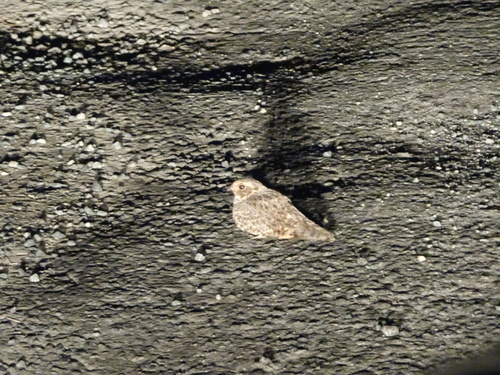
Indian Nightjar (Caprimulgus asiaticus) Indian Nightjar
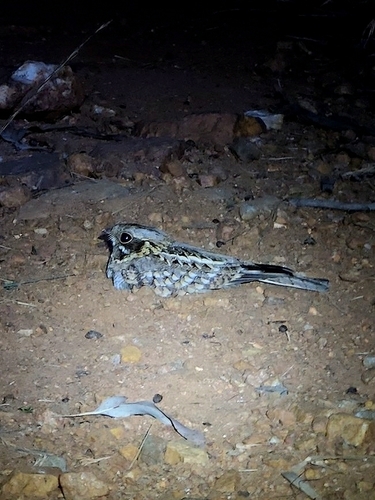
Savanna Nightjar (Caprimulgus affinis) Savanna Nightjar

Media

Loading…

In short

The Indian Nightjar and Savanna Nightjar are similar in appearance but can be distinguished by their habitat preferences and vocalizations. The Indian Nightjar is typically found in open, dry areas, while the Savanna Nightjar prefers more wooded or shrubby environments. Their calls also differ, with the Indian Nightjar having a more repetitive and mechanical song.

Identification tips

  1. Habitat: Check the surrounding environment; Indian Nightjars prefer open, dry areas, while Savanna Nightjars are found in more wooded settings. 2. Vocalization: Listen for the call; Indian Nightjars have a repetitive, mechanical song. 3. Plumage: Look for subtle differences in color tone, with Indian Nightjars appearing slightly paler.

Size

Both species are similar in size, with no significant differences noted in field observations.

Plumage

Plumage is generally similar between the two, with both having cryptic brown and gray patterns. However, the Indian Nightjar may appear slightly paler overall compared to the Savanna Nightjar.

Behaviour

Both species exhibit similar nocturnal behavior, being most active at dusk and dawn. They are often seen hawking insects in flight.

Habitat

Indian Nightjars are typically found in open, dry areas such as scrublands and grasslands. In contrast, Savanna Nightjars are more often associated with wooded or shrubby environments.

Voice

The Indian Nightjar's call is a repetitive, mechanical 'chuk-chuk-chuk', while the Savanna Nightjar's call is less mechanical and more varied.

Submit a better description

Use the same sections as the comparison. Your text is published immediately.

The Indian Nightjar and Savanna Nightjar are similar in appearance but can be distinguished by their habitat preferences and vocalizations. The Indian Nightjar is typically found in open, dry areas, while the Savanna Nightjar prefers more wooded or shrubby environments. Their calls also differ, with the Indian Nightjar having a more repetitive and mechanical song.

  1. Habitat: Check the surrounding environment; Indian Nightjars prefer open, dry areas, while Savanna Nightjars are found in more wooded settings. 2. Vocalization: Listen for the call; Indian Nightjars have a repetitive, mechanical song. 3. Plumage: Look for subtle differences in color tone, with Indian Nightjars appearing slightly paler.

Both species are similar in size, with no significant differences noted in field observations.

Plumage is generally similar between the two, with both having cryptic brown and gray patterns. However, the Indian Nightjar may appear slightly paler overall compared to the Savanna Nightjar.

Both species exhibit similar nocturnal behavior, being most active at dusk and dawn. They are often seen hawking insects in flight.

Indian Nightjars are typically found in open, dry areas such as scrublands and grasslands. In contrast, Savanna Nightjars are more often associated with wooded or shrubby environments.

The Indian Nightjar's call is a repetitive, mechanical 'chuk-chuk-chuk', while the Savanna Nightjar's call is less mechanical and more varied.

Discard your changes?

You have unsaved edits. If you leave now, those changes will be lost.

Indian Nightjar · Savanna Nightjar · My Tricky Birds