Indian Paradise-Flycatcher vs Turkestan Shrike
Terpsiphone paradisi versus Lanius phoenicuroides
Play a quiz with Indian Paradise-Flycatcher and Turkestan Shrike
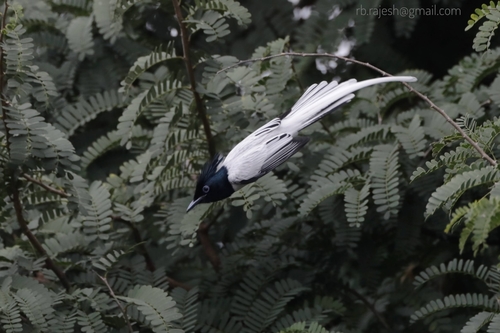
Indian Paradise-Flycatcher
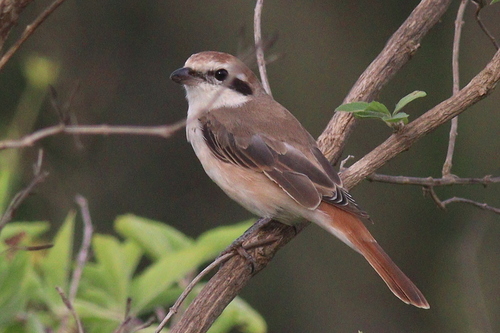
Turkestan Shrike
In short
The Indian Paradise-Flycatcher and the Turkestan Shrike are distinct in both appearance and behavior. The Paradise-Flycatcher is known for its long, flowing tail and striking plumage, while the Turkestan Shrike is more robust with a hooked bill and a distinctive mask. Observing tail length and head markings will quickly differentiate these species.
Identification tips
1. Tail Length: Look for the long, flowing tail of the male Indian Paradise-Flycatcher. 2. Head Markings: Note the black mask of the Turkestan Shrike. 3. Bill Shape: The Shrike has a hooked bill, unlike the Paradise-Flycatcher. 4. Behavior: Observe perching habits; Shrikes often perch openly, while Paradise-Flycatchers are more active in the canopy.
Size
The Indian Paradise-Flycatcher is generally more slender and elongated, especially with its long tail, compared to the more compact and robust Turkestan Shrike.
Plumage
The Indian Paradise-Flycatcher often displays a striking combination of white or rufous plumage with a long, ribbon-like tail in males. In contrast, the Turkestan Shrike has a more muted coloration with a distinctive black mask across the eyes and a rufous back.
Behaviour
Paradise-Flycatchers are agile and often seen flitting through the canopy, while Shrikes are more likely to perch conspicuously and hunt from exposed branches.
Habitat
Indian Paradise-Flycatchers prefer wooded habitats and are often found in forests and well-vegetated areas. Turkestan Shrikes are more adaptable to open areas, including scrublands and edges of forests.
Voice
The vocalizations of these species differ, with the Paradise-Flycatcher having a more musical song, while the Turkestan Shrike's calls are harsher and more mechanical.
Indian Paradise-Flycatcher · Turkestan Shrike · My Tricky Birds