
Birdr

Kelp Gull vs Great Black-backed Gull

Larus dominicanus versus Larus marinus

Play a quiz with Kelp Gull and Great Black-backed Gull
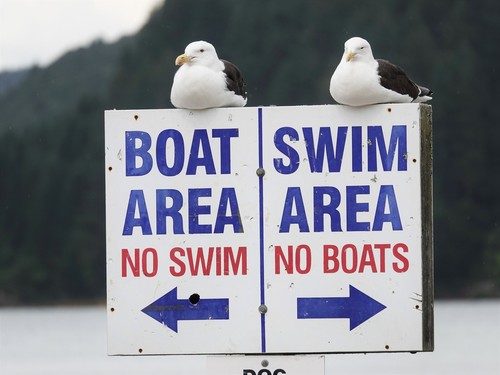
Kelp Gull (Larus dominicanus) Kelp Gull
Great Black-backed Gull (Larus marinus) Great Black-backed Gull

Media

Loading…

In short

The most reliable way to separate Kelp Gull from Great Black-backed Gull is by size and structure: Great Black-backed Gull is noticeably bulkier, with a heavier bill and longer wings, and is the largest gull in its range, while Kelp Gull is intermediate in size. For immatures, check the tail and upperwing pattern: juvenile Great Black-backed Gulls show a white tail with zigzag barring and a broken black band near the tip, while Kelp Gull juveniles have a darker, more uniform tail band and less contrasting upperwing. Adults of both species have black upperparts and white heads, but Great Black-backed Gull is darker, with a deeper, more massive build and paler legs. Context is also helpful: Great Black-backed Gull is strictly North Atlantic, while Kelp Gull is Southern Hemisphere. Use a combination of size, structure, and age-specific tail/wing patterns for the most reliable ID.

Identification tips

  1. Size and Structure: Great Black-backed Gull is the largest gull, with a notably bulkier body, thicker neck, and heavier, longer bill than Kelp Gull. Use this when birds are side by side or with known species for scale.
  2. Bill Shape: Great Black-backed Gull's bill is stouter and more massive, especially at the base, compared to the slimmer, shorter bill of Kelp Gull. This is most obvious in adults but can be seen in large immatures too.
  3. Juvenile Tail Pattern: Juvenile Great Black-backed Gull has a white tail with zigzag bars and a broken blackish band near the tip; Kelp Gull juvenile has a darker tail with a more solid dark band and less barring. This is a key mark in flight or when preening.
  4. Juvenile Upperwing: Great Black-backed Gull juveniles show a neat, checkered pattern on the upperwing coverts and blackish-brown flight feathers, while Kelp Gull juveniles are more uniformly grey-brown above with dense whitish edges but less contrast.
  5. Leg Color: Adult Kelp Gull has greenish-yellow legs (brighter in breeding season, duller in non-breeding), while Great Black-backed Gull has pale pinkish or bluish-grey legs. Juveniles of both have duller legs, but Great Black-backed's are bluish-grey with some pink tones, Kelp's are dull and greenish.
  6. Bill Color in Immatures: Juvenile Kelp Gull has a black bill that quickly develops a pale base, while Great Black-backed Gull's juvenile bill is brownish-black with a white tip, becoming blacker before paling with age.
  7. Head and Underparts in Immatures: Kelp Gull immatures rapidly develop a whiter head and underparts, while Great Black-backed Gull immatures remain streakier and dirtier-looking through their first three years.
  8. Adult Mantle Color: Both species have dark mantles, but Great Black-backed Gull's is greyish-black (darker than Kelp Gull's black), and it often appears more so in poor light.
  9. Eye Color: Nominate Kelp Gull usually has a pale eye; the Cape Gull subspecies has a dark eye. Great Black-backed Gull's eye is pale.
  10. Leg Color (again): If you see yellowish or greenish legs, it's Kelp Gull; pinkish or bluish-grey legs point to Great Black-backed Gull.
  11. Geographic Range: If you are in the North Atlantic, Great Black-backed Gull is expected; in the Southern Hemisphere, Kelp Gull is the default. Vagrancy is extremely rare.
  12. Behavior: Great Black-backed Gull is more aggressive and predatory, often seen dominating at carcasses or attacking other birds. Kelp Gull is less likely to show this behavior.
  13. Vocalization: Great Black-backed Gull's call is deeper and more resonant ('kaa-ga-ga'), while Kelp Gull's is sharper and more strident ('ki-och'). Use with caution unless familiar with both.
  14. Habitat: Context matters—coastal North Atlantic for Great Black-backed, Southern Hemisphere coasts for Kelp Gull.
  15. Pitfalls: Both can appear similar when perched at a distance, especially adults. Always try to get a view of the legs, bill, and, for immatures, the tail and upperwing pattern. Structure and context are often more reliable than plumage alone.

Size

Great Black-backed Gull is the largest gull species, with a bulkier frame, heavier bill, and longer wings than Kelp Gull. Kelp Gull is intermediate in size between Great Black-backed and Lesser Black-backed Gulls, with an average adult mass around 941 g, while Great Black-backed Gull is heavier (noted as the largest in its family, though no direct mass figure is given here). In the field, Great Black-backed appears more imposing and robust, especially when seen side-by-side with Kelp Gull.

Plumage

Juvenile and immature plumages are key for separation. Juvenile Great Black-backed Gull shows a white tail with zigzag bars and a broken blackish band near the tip, plus scaly, checkered black-brown upperparts and a paler face and nape. The upperwing is neat and patterned, with blackish-brown flight feathers. Kelp Gull juveniles are more uniformly grey-brown above, with dense whitish edging, a dark tail band, and less contrast in the upperwing; their bill is black, and legs are dull. As both species age, Great Black-backed Gull immatures become more contrasting and streaky, while Kelp Gull immatures rapidly develop a paler bill base and whiter head/underparts. Adults of both have black upperparts and wings, but Great Black-backed Gull's mantle is darker (greyish-black vs. black), and its legs are pinkish or pale, while Kelp Gull's are greenish-yellow (brighter in breeding season). The bill of adult Kelp Gull is yellow with a red spot, and the Great Black-backed Gull's is heavier and paler. Eye color can help: nominate Kelp Gull usually has a pale eye, while Great Black-backed Gull's is pale; the Cape Gull subspecies of Kelp Gull has a dark eye.

Behaviour

Great Black-backed Gull is notably aggressive and predatory, often hunting and killing other birds, including seabirds and even small mammals. Its behavior is more raptor-like than typical gulls, often pursuing prey in flight or attacking at nests. Kelp Gull, while also a large and opportunistic gull, is not described as being as aggressive or predatory as Great Black-backed Gull. In mixed flocks or at carcasses, Great Black-backed Gull typically dominates.

Habitat

Great Black-backed Gull is found on North Atlantic coasts and islands of northern Europe and northeastern North America, rarely straying far from these regions. Kelp Gull is a Southern Hemisphere species, breeding on coasts and islands around South America, southern Africa, Australia, and New Zealand. Overlap is extremely rare and would only occur in exceptional vagrancy cases. If you are in the North Atlantic, expect Great Black-backed Gull; in the Southern Hemisphere, expect Kelp Gull.

Voice

Great Black-backed Gull gives a deep, laughing 'kaa-ga-ga' call, with the first note sometimes drawn out and deeper than most gulls. Kelp Gull's call is a strident 'ki-och.' While both are loud and strident, Great Black-backed's voice is deeper and more resonant, but voice alone is rarely diagnostic unless you are familiar with both.

Submit a better description

Use the same sections as the comparison. Your text is published immediately.

The most reliable way to separate Kelp Gull from Great Black-backed Gull is by size and structure: Great Black-backed Gull is noticeably bulkier, with a heavier bill and longer wings, and is the largest gull in its range, while Kelp Gull is intermediate in size. For immatures, check the tail and upperwing pattern: juvenile Great Black-backed Gulls show a white tail with zigzag barring and a broken black band near the tip, while Kelp Gull juveniles have a darker, more uniform tail band and less contrasting upperwing. Adults of both species have black upperparts and white heads, but Great Black-backed Gull is darker, with a deeper, more massive build and paler legs. Context is also helpful: Great Black-backed Gull is strictly North Atlantic, while Kelp Gull is Southern Hemisphere. Use a combination of size, structure, and age-specific tail/wing patterns for the most reliable ID.

  1. Size and Structure: Great Black-backed Gull is the largest gull, with a notably bulkier body, thicker neck, and heavier, longer bill than Kelp Gull. Use this when birds are side by side or with known species for scale.
  2. Bill Shape: Great Black-backed Gull's bill is stouter and more massive, especially at the base, compared to the slimmer, shorter bill of Kelp Gull. This is most obvious in adults but can be seen in large immatures too.
  3. Juvenile Tail Pattern: Juvenile Great Black-backed Gull has a white tail with zigzag bars and a broken blackish band near the tip; Kelp Gull juvenile has a darker tail with a more solid dark band and less barring. This is a key mark in flight or when preening.
  4. Juvenile Upperwing: Great Black-backed Gull juveniles show a neat, checkered pattern on the upperwing coverts and blackish-brown flight feathers, while Kelp Gull juveniles are more uniformly grey-brown above with dense whitish edges but less contrast.
  5. Leg Color: Adult Kelp Gull has greenish-yellow legs (brighter in breeding season, duller in non-breeding), while Great Black-backed Gull has pale pinkish or bluish-grey legs. Juveniles of both have duller legs, but Great Black-backed's are bluish-grey with some pink tones, Kelp's are dull and greenish.
  6. Bill Color in Immatures: Juvenile Kelp Gull has a black bill that quickly develops a pale base, while Great Black-backed Gull's juvenile bill is brownish-black with a white tip, becoming blacker before paling with age.
  7. Head and Underparts in Immatures: Kelp Gull immatures rapidly develop a whiter head and underparts, while Great Black-backed Gull immatures remain streakier and dirtier-looking through their first three years.
  8. Adult Mantle Color: Both species have dark mantles, but Great Black-backed Gull's is greyish-black (darker than Kelp Gull's black), and it often appears more so in poor light.
  9. Eye Color: Nominate Kelp Gull usually has a pale eye; the Cape Gull subspecies has a dark eye. Great Black-backed Gull's eye is pale.
  10. Leg Color (again): If you see yellowish or greenish legs, it's Kelp Gull; pinkish or bluish-grey legs point to Great Black-backed Gull.
  11. Geographic Range: If you are in the North Atlantic, Great Black-backed Gull is expected; in the Southern Hemisphere, Kelp Gull is the default. Vagrancy is extremely rare.
  12. Behavior: Great Black-backed Gull is more aggressive and predatory, often seen dominating at carcasses or attacking other birds. Kelp Gull is less likely to show this behavior.
  13. Vocalization: Great Black-backed Gull's call is deeper and more resonant ('kaa-ga-ga'), while Kelp Gull's is sharper and more strident ('ki-och'). Use with caution unless familiar with both.
  14. Habitat: Context matters—coastal North Atlantic for Great Black-backed, Southern Hemisphere coasts for Kelp Gull.
  15. Pitfalls: Both can appear similar when perched at a distance, especially adults. Always try to get a view of the legs, bill, and, for immatures, the tail and upperwing pattern. Structure and context are often more reliable than plumage alone.

Great Black-backed Gull is the largest gull species, with a bulkier frame, heavier bill, and longer wings than Kelp Gull. Kelp Gull is intermediate in size between Great Black-backed and Lesser Black-backed Gulls, with an average adult mass around 941 g, while Great Black-backed Gull is heavier (noted as the largest in its family, though no direct mass figure is given here). In the field, Great Black-backed appears more imposing and robust, especially when seen side-by-side with Kelp Gull.

Juvenile and immature plumages are key for separation. Juvenile Great Black-backed Gull shows a white tail with zigzag bars and a broken blackish band near the tip, plus scaly, checkered black-brown upperparts and a paler face and nape. The upperwing is neat and patterned, with blackish-brown flight feathers. Kelp Gull juveniles are more uniformly grey-brown above, with dense whitish edging, a dark tail band, and less contrast in the upperwing; their bill is black, and legs are dull. As both species age, Great Black-backed Gull immatures become more contrasting and streaky, while Kelp Gull immatures rapidly develop a paler bill base and whiter head/underparts. Adults of both have black upperparts and wings, but Great Black-backed Gull's mantle is darker (greyish-black vs. black), and its legs are pinkish or pale, while Kelp Gull's are greenish-yellow (brighter in breeding season). The bill of adult Kelp Gull is yellow with a red spot, and the Great Black-backed Gull's is heavier and paler. Eye color can help: nominate Kelp Gull usually has a pale eye, while Great Black-backed Gull's is pale; the Cape Gull subspecies of Kelp Gull has a dark eye.

Great Black-backed Gull is notably aggressive and predatory, often hunting and killing other birds, including seabirds and even small mammals. Its behavior is more raptor-like than typical gulls, often pursuing prey in flight or attacking at nests. Kelp Gull, while also a large and opportunistic gull, is not described as being as aggressive or predatory as Great Black-backed Gull. In mixed flocks or at carcasses, Great Black-backed Gull typically dominates.

Great Black-backed Gull is found on North Atlantic coasts and islands of northern Europe and northeastern North America, rarely straying far from these regions. Kelp Gull is a Southern Hemisphere species, breeding on coasts and islands around South America, southern Africa, Australia, and New Zealand. Overlap is extremely rare and would only occur in exceptional vagrancy cases. If you are in the North Atlantic, expect Great Black-backed Gull; in the Southern Hemisphere, expect Kelp Gull.

Great Black-backed Gull gives a deep, laughing 'kaa-ga-ga' call, with the first note sometimes drawn out and deeper than most gulls. Kelp Gull's call is a strident 'ki-och.' While both are loud and strident, Great Black-backed's voice is deeper and more resonant, but voice alone is rarely diagnostic unless you are familiar with both.

Discard your changes?

You have unsaved edits. If you leave now, those changes will be lost.

Kelp Gull · Great Black-backed Gull · My Tricky Birds