Birdr

Lanceolated Warbler vs River Warbler

Locustella lanceolata versus Locustella fluviatilis

Play a quiz with Lanceolated Warbler and River Warbler
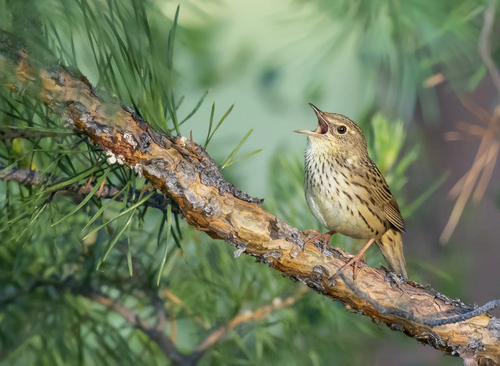
Lanceolated Warbler (Locustella lanceolata) Lanceolated Warbler
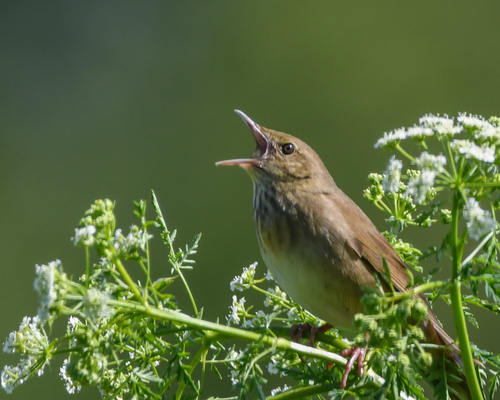
River Warbler (Locustella fluviatilis) River Warbler

Media

Loading…

In short

The Lanceolated Warbler is smaller and more heavily marked than the River Warbler, with distinctive olive-brown and buff streaking, while the River Warbler is larger, with a plain dark brown back and broad streaks on its underparts. The two species also differ in vocalizations, foraging behaviors, and habitat preferences, making them identifiable in the field.

Identification tips

  1. Birds of the World Similar-Species Diagnostics:
  2. Lanceolated Warbler: “Identified by olive-brown with blackish spotting, side of head rather plain, with narrow whitish supercilium, dark lores, and poorly marked short dark stripe behind eye.”
  3. River Warbler: “A plain-backed, dark brown warbler with broad graduated tail, long bulky-looking undertail-coverts, and long pointed wingtip. Upperparts are dark olive-brown with variable greenish tinge.”

  4. AI Field Diagnostics:

  5. Size: Pay attention to size; the River Warbler is larger (14 cm) compared to the Lanceolated Warbler (12–13.5 cm).
  6. Plumage: Look for the Lanceolated Warbler’s heavily marked underparts with gray streaks versus the River Warbler’s plain dark brown upperparts and broad streaks on lighter underparts.
  7. Behavior: Observe foraging behaviors; the Lanceolated Warbler often stays close to water and among stems, while the River Warbler is more likely to be found running on the ground in grassy areas.
  8. Vocalization: Listen for vocal patterns; the Lanceolated Warbler's song is more melodic with a pulsing quality, while the River Warbler has a sharper, more insect-like call.
  9. Habitat: Note the habitat; if you are near wetlands with dense vegetation, you may have a Lanceolated Warbler. In contrast, the River Warbler is more associated with riverbanks and dense cover.

By focusing on these distinguishing features, birdwatchers can confidently identify and differentiate between the Lanceolated Warbler and River Warbler in the field.

Size

Plumage

Behaviour

Habitat

Voice

Submit a better description

Use the same sections as the comparison. Your text is published immediately.

The Lanceolated Warbler is smaller and more heavily marked than the River Warbler, with distinctive olive-brown and buff streaking, while the River Warbler is larger, with a plain dark brown back and broad streaks on its underparts. The two species also differ in vocalizations, foraging behaviors, and habitat preferences, making them identifiable in the field.

  1. Birds of the World Similar-Species Diagnostics:
  2. Lanceolated Warbler: “Identified by olive-brown with blackish spotting, side of head rather plain, with narrow whitish supercilium, dark lores, and poorly marked short dark stripe behind eye.”
  3. River Warbler: “A plain-backed, dark brown warbler with broad graduated tail, long bulky-looking undertail-coverts, and long pointed wingtip. Upperparts are dark olive-brown with variable greenish tinge.”

  4. AI Field Diagnostics:

  5. Size: Pay attention to size; the River Warbler is larger (14 cm) compared to the Lanceolated Warbler (12–13.5 cm).
  6. Plumage: Look for the Lanceolated Warbler’s heavily marked underparts with gray streaks versus the River Warbler’s plain dark brown upperparts and broad streaks on lighter underparts.
  7. Behavior: Observe foraging behaviors; the Lanceolated Warbler often stays close to water and among stems, while the River Warbler is more likely to be found running on the ground in grassy areas.
  8. Vocalization: Listen for vocal patterns; the Lanceolated Warbler's song is more melodic with a pulsing quality, while the River Warbler has a sharper, more insect-like call.
  9. Habitat: Note the habitat; if you are near wetlands with dense vegetation, you may have a Lanceolated Warbler. In contrast, the River Warbler is more associated with riverbanks and dense cover.

By focusing on these distinguishing features, birdwatchers can confidently identify and differentiate between the Lanceolated Warbler and River Warbler in the field.

  • Lanceolated Warbler (Locustella lanceolata): Measures 12–13.5 cm in length and weighs 9–13 g.
  • River Warbler (Locustella fluviatilis): Slightly larger, measuring about 14 cm and weighing 13–19 g (up to 23 g before migration).
  • Lanceolated Warbler: Characterized by olive-brown plumage with blackish spotting. The sides of the head are plain, with a narrow whitish supercilium and poorly defined dark markings. The underparts are washed gray-buff with sharp dark gray streaks, and the undertail-coverts are buff with dark central spots.
  • River Warbler: Features a plain, dark brown upperpart with a variable greenish tinge and broad graduated tail. The underparts are pale olive-buff, whiter on the throat and belly, with broad dark brown streaks. The bill is horn colored above and pale pinkish below, and the legs are pinkish-brown to pale-pink.
  • Lanceolated Warbler: Often forages on plant stems above water and runs among roots and stems on the ground. It is known for its ventriloquial singing behavior, creating a pulsing effect as it turns its head.
  • River Warbler: Forages primarily among low vegetation, creeping or running among grass and fallen leaves. Its contact alarm call is a sharp "phit," which is often repeated.
  • Lanceolated Warbler: Prefers wetlands, reed beds, and grassy areas near water. It is found in areas with dense vegetation where it can hide among the roots and stems.
  • River Warbler: Typically inhabits dense riverine vegetation, such as reeds and low shrubs along rivers and streams. It prefers areas with abundant low cover for foraging.
  • Lanceolated Warbler: Produces a continuous thin song with a ventriloquial effect and a somewhat explosive “tzhk-tzhk-tzhk” call.
  • River Warbler: Known for a high-pitched, throbbing, insect-like sound “dzi-dzi-dzi-dzi-dzi-dzi…” and a sharp repeated alarm call.

Discard your changes?

You have unsaved edits. If you leave now, those changes will be lost.

Lanceolated Warbler · River Warbler · My Tricky Birds