Birdr

Lesser Nighthawk vs Common Poorwill

Chordeiles acutipennis versus Phalaenoptilus nuttallii

Play a quiz with Lesser Nighthawk and Common Poorwill
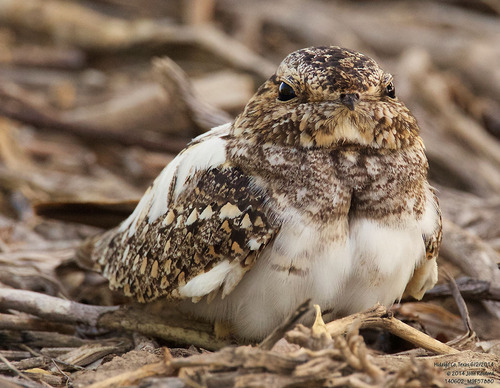
Lesser Nighthawk (Chordeiles acutipennis) Lesser Nighthawk
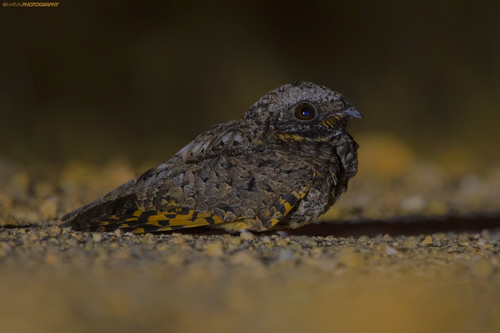
Common Poorwill (Phalaenoptilus nuttallii) Common Poorwill

Media

Loading…

In short

The Lesser Nighthawk and Common Poorwill are both nocturnal insectivores of the Caprimulgidae family, often seen flitting low over open areas. The Lesser Nighthawk is best identified by its white wing crescents visible in flight, while the Common Poorwill is noted for its ability to enter torpor and its distinctive call.

Identification tips

  1. Look for white wing crescents on the Lesser Nighthawk in flight. 2. Note the foraging behavior: Lesser Nighthawks fly low over open areas, while Common Poorwills sally from perches. 3. Listen for vocalizations: a trill indicates a Lesser Nighthawk, while a distinct call suggests a Common Poorwill. 4. Consider habitat: Lesser Nighthawks prefer open desert areas, whereas Common Poorwills are more common in rocky or prairie environments.

Size

Both species are similar in size, but the Lesser Nighthawk tends to have longer wings and a more slender appearance compared to the stockier Common Poorwill.

Plumage

Lesser Nighthawks have mottled brown, buff, and black plumage with distinctive white wing crescents. Common Poorwills are also cryptically colored but lack the prominent wing markings, appearing more uniformly mottled.

Behaviour

Lesser Nighthawks often forage in pairs or groups, flying low over the ground. Common Poorwills typically sally out from a perch to catch insects and are known for their ability to enter torpor during cold conditions.

Habitat

Lesser Nighthawks are found in arid and semi-arid regions, often in desert scrub. Common Poorwills inhabit high prairies, semi-arid flats, and rocky foothills, often overlapping with Lesser Nighthawks but favoring slightly different microhabitats.

Voice

The Lesser Nighthawk is known for its toad-like trill, while the Common Poorwill has a distinctive call that is often heard at night.

Submit a better description

Use the same sections as the comparison. Your text is published immediately.

The Lesser Nighthawk and Common Poorwill are both nocturnal insectivores of the Caprimulgidae family, often seen flitting low over open areas. The Lesser Nighthawk is best identified by its white wing crescents visible in flight, while the Common Poorwill is noted for its ability to enter torpor and its distinctive call.

  1. Look for white wing crescents on the Lesser Nighthawk in flight. 2. Note the foraging behavior: Lesser Nighthawks fly low over open areas, while Common Poorwills sally from perches. 3. Listen for vocalizations: a trill indicates a Lesser Nighthawk, while a distinct call suggests a Common Poorwill. 4. Consider habitat: Lesser Nighthawks prefer open desert areas, whereas Common Poorwills are more common in rocky or prairie environments.

Both species are similar in size, but the Lesser Nighthawk tends to have longer wings and a more slender appearance compared to the stockier Common Poorwill.

Lesser Nighthawks have mottled brown, buff, and black plumage with distinctive white wing crescents. Common Poorwills are also cryptically colored but lack the prominent wing markings, appearing more uniformly mottled.

Lesser Nighthawks often forage in pairs or groups, flying low over the ground. Common Poorwills typically sally out from a perch to catch insects and are known for their ability to enter torpor during cold conditions.

Lesser Nighthawks are found in arid and semi-arid regions, often in desert scrub. Common Poorwills inhabit high prairies, semi-arid flats, and rocky foothills, often overlapping with Lesser Nighthawks but favoring slightly different microhabitats.

The Lesser Nighthawk is known for its toad-like trill, while the Common Poorwill has a distinctive call that is often heard at night.

Discard your changes?

You have unsaved edits. If you leave now, those changes will be lost.

Lesser Nighthawk · Common Poorwill · My Tricky Birds