
Lesser Spotted Woodpecker vs Grey-headed Woodpecker
Dryobates minor versus Picus canus
Play a quiz with Lesser Spotted Woodpecker and Grey-headed Woodpecker
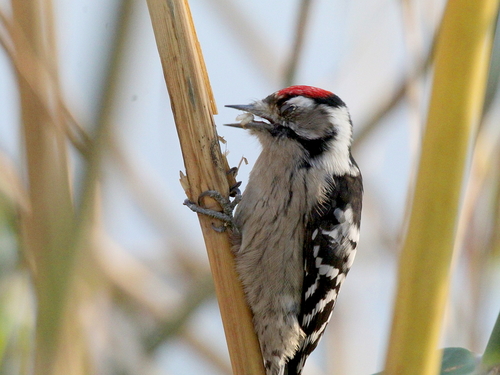
Lesser Spotted Woodpecker
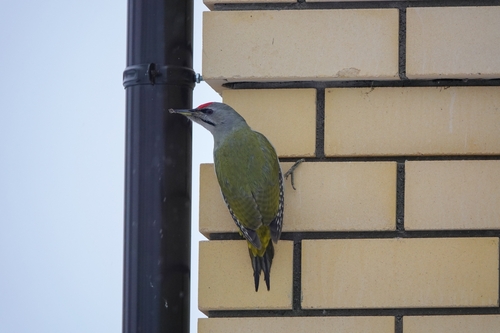
Grey-headed Woodpecker
In short
The Lesser Spotted Woodpecker (Dryobates minor) is notably smaller and more elusive than the Grey-headed Woodpecker (Picus canus). Key differences include size, head coloration, and habitat preference. Observers should focus on these features when distinguishing between the two species.
Identification tips
- Size: Note the smaller size of the Lesser Spotted Woodpecker. 2. Head Color: Look for the grey head of the Grey-headed Woodpecker. 3. Plumage Pattern: Observe the black-and-white barred back of the Lesser Spotted Woodpecker. 4. Habitat: Consider the type of woodland; Lesser Spotted prefers deciduous, Grey-headed is more flexible. 5. Vocalization: Listen for the high-pitched call of the Lesser Spotted versus the louder, more varied call of the Grey-headed.
Size
The Lesser Spotted Woodpecker is significantly smaller than the Grey-headed Woodpecker, making size a reliable field mark.
Plumage
The Lesser Spotted Woodpecker has a distinctive black-and-white barred back and lacks the grey head of the Grey-headed Woodpecker. The Grey-headed Woodpecker has a uniform grey head and greenish body, which contrasts with the more patterned appearance of the Lesser Spotted.
Behaviour
Both species are arboreal, but the Lesser Spotted Woodpecker is more likely to be seen in the upper canopy, while the Grey-headed Woodpecker often forages on the ground or lower trunks.
Habitat
The Lesser Spotted Woodpecker prefers deciduous woodlands and parks, while the Grey-headed Woodpecker is more often found in mixed or coniferous forests, often near open areas.
Voice
The Lesser Spotted Woodpecker's call is a high-pitched 'kee-kee-kee,' while the Grey-headed Woodpecker has a more varied and louder call, often described as a 'klee-yu' or 'klee-yer.'
Lesser Spotted Woodpecker · Grey-headed Woodpecker · My Tricky Birds