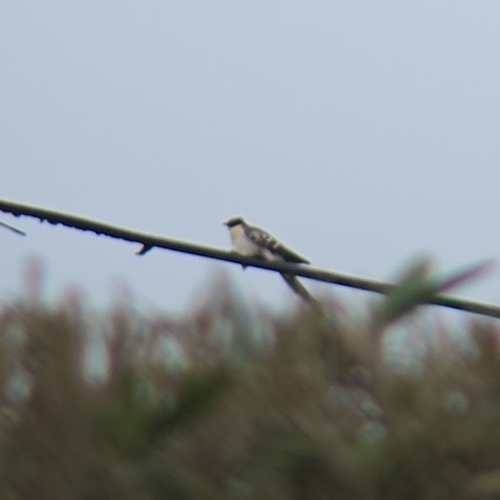
Little Bustard vs Great Spotted Cuckoo
Tetrax tetrax versus Clamator glandarius
Play a quiz with Little Bustard and Great Spotted Cuckoo
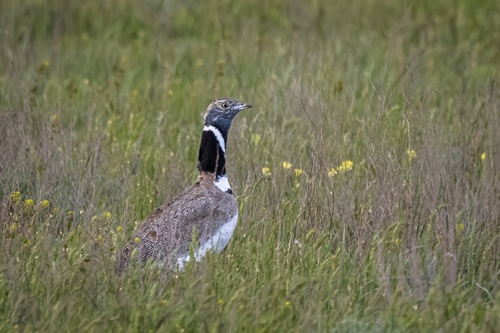
Little Bustard
Great Spotted Cuckoo
In short
The Little Bustard and the Great Spotted Cuckoo are distinct in both appearance and behavior. The Little Bustard is a ground-dwelling bird with a stocky build, while the Great Spotted Cuckoo is more slender and arboreal. Key differences include their plumage patterns and habitats.
Identification tips
1. Habitat: Look for Little Bustards in open fields and Great Spotted Cuckoos in wooded areas. 2. Plumage: Note the Little Bustard's brown and white plumage versus the cuckoo's spotted wings. 3. Behavior: Observe if the bird is on the ground (likely Little Bustard) or in trees (likely Great Spotted Cuckoo). 4. Vocalization: Listen for the Great Spotted Cuckoo's loud calls.
Size
The Little Bustard is generally larger and more robust than the Great Spotted Cuckoo, with a more compact body and shorter tail.
Plumage
The Little Bustard has a predominantly brown and white plumage with a distinctive black and white neck pattern in males during the breeding season. The Great Spotted Cuckoo, on the other hand, features a greyish body with a striking black and white spotted pattern on the wings and a long tail.
Behaviour
Little Bustards are typically seen walking or running on the ground in open fields, while Great Spotted Cuckoos are more often observed perched in trees or flying between them.
Habitat
Little Bustards prefer open grasslands and agricultural fields, whereas Great Spotted Cuckoos are found in wooded areas and edges, often near host species for their brood parasitism.
Voice
The Little Bustard is relatively silent, especially outside the breeding season, while the Great Spotted Cuckoo is known for its loud and distinctive calls.