Birdr

Little Ringed Plover vs Omao

Thinornis dubius versus Myadestes obscurus

Play a quiz with Little Ringed Plover and Omao

Little Ringed Plover (Thinornis dubius) Little Ringed Plover
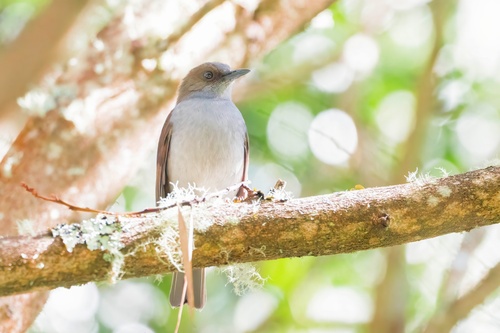
Omao (Myadestes obscurus) Omao

Media

Loading…

In short

The Little Ringed Plover and the Omao are easily distinguishable by habitat and appearance. The plover is a small shorebird often found near water, while the Omao is a forest thrush native to Hawaii. Observing their environment and plumage will quickly separate these two species.

Identification tips

  1. Habitat: Check the environment; plovers are near water, Omaos in forests. 2. Plumage: Look for the plover's yellow eye-ring and black head markings. 3. Size and Shape: Note the plover's small, compact shorebird shape versus the Omao's thrush-like form. 4. Vocalization: Listen for the plover's calls near water, contrasting with the Omao's forest song.

Size

The Little Ringed Plover is a small shorebird, while the Omao is a medium-sized thrush.

Plumage

The Little Ringed Plover has a distinctive black and white head pattern with a yellow eye-ring, whereas the Omao is drab olive-brown and gray, lacking any striking head markings.

Behaviour

Little Ringed Plovers are often seen foraging on mudflats or sandy shores, while Omaos are more likely to be found in forested areas, often perched or moving through the canopy.

Habitat

Little Ringed Plovers inhabit open, wet areas like mudflats and riverbanks, whereas Omaos are restricted to forested areas on the island of Hawai'i, typically above 1,000 m elevation.

Voice

The vocalizations of these species differ significantly, with the Little Ringed Plover having a distinctive call often heard near water, while the Omao's song is more typical of a thrush, though specific details are less documented.

Submit a better description

Use the same sections as the comparison. Your text is published immediately.

The Little Ringed Plover and the Omao are easily distinguishable by habitat and appearance. The plover is a small shorebird often found near water, while the Omao is a forest thrush native to Hawaii. Observing their environment and plumage will quickly separate these two species.

  1. Habitat: Check the environment; plovers are near water, Omaos in forests. 2. Plumage: Look for the plover's yellow eye-ring and black head markings. 3. Size and Shape: Note the plover's small, compact shorebird shape versus the Omao's thrush-like form. 4. Vocalization: Listen for the plover's calls near water, contrasting with the Omao's forest song.

The Little Ringed Plover is a small shorebird, while the Omao is a medium-sized thrush.

The Little Ringed Plover has a distinctive black and white head pattern with a yellow eye-ring, whereas the Omao is drab olive-brown and gray, lacking any striking head markings.

Little Ringed Plovers are often seen foraging on mudflats or sandy shores, while Omaos are more likely to be found in forested areas, often perched or moving through the canopy.

Little Ringed Plovers inhabit open, wet areas like mudflats and riverbanks, whereas Omaos are restricted to forested areas on the island of Hawai'i, typically above 1,000 m elevation.

The vocalizations of these species differ significantly, with the Little Ringed Plover having a distinctive call often heard near water, while the Omao's song is more typical of a thrush, though specific details are less documented.

Discard your changes?

You have unsaved edits. If you leave now, those changes will be lost.

Little Ringed Plover · Omao · My Tricky Birds