Birdr

Mangrove Whistler vs Green-backed Flycatcher

Pachycephala cinerea versus Ficedula elisae

Play a quiz with Mangrove Whistler and Green-backed Flycatcher
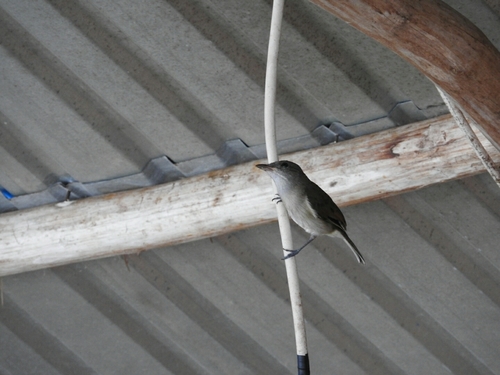
Mangrove Whistler (Pachycephala cinerea) Mangrove Whistler
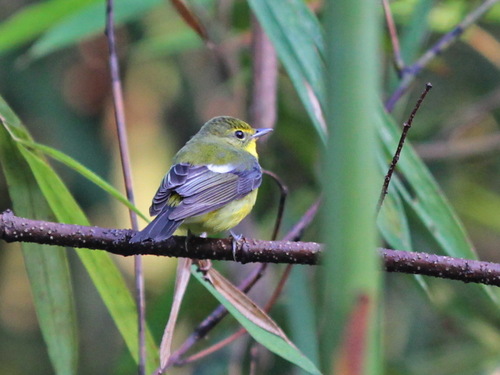
Green-backed Flycatcher (Ficedula elisae) Green-backed Flycatcher

Media

Loading…

In short

The Mangrove Whistler and Green-backed Flycatcher can be distinguished by their habitat preferences and plumage. The Mangrove Whistler is typically found in mangrove forests and has a more uniform grey-brown plumage, while the Green-backed Flycatcher prefers forested areas and exhibits a distinctive green back and yellow underparts.

Identification tips

  1. Habitat: Look for the Mangrove Whistler in mangrove areas and the Green-backed Flycatcher in forested regions. 2. Plumage: Note the uniform grey-brown of the Mangrove Whistler versus the green and yellow of the Green-backed Flycatcher. 3. Behavior: Observe the more deliberate movement of the Mangrove Whistler compared to the active foraging of the Green-backed Flycatcher.

Size

Both species are small passerines, but the Mangrove Whistler is generally more robust compared to the more delicate Green-backed Flycatcher.

Plumage

The Mangrove Whistler has a grey-brown overall appearance with a less contrasting plumage, whereas the Green-backed Flycatcher features a bright green back and yellow underparts, making it more striking in appearance.

Behaviour

The Mangrove Whistler is often seen in mangrove habitats, moving slowly and deliberately, while the Green-backed Flycatcher is more active, often sallying for insects in forested areas.

Habitat

Mangrove Whistler is typically found in mangrove forests, while the Green-backed Flycatcher prefers subtropical or tropical moist lowland forests.

Voice

The Mangrove Whistler's song is a series of melodious whistles, while the Green-backed Flycatcher's call is a softer, more subdued series of notes. Specific vocalizations can vary and may overlap, making them less reliable for identification.

Submit a better description

Use the same sections as the comparison. Your text is published immediately.

The Mangrove Whistler and Green-backed Flycatcher can be distinguished by their habitat preferences and plumage. The Mangrove Whistler is typically found in mangrove forests and has a more uniform grey-brown plumage, while the Green-backed Flycatcher prefers forested areas and exhibits a distinctive green back and yellow underparts.

  1. Habitat: Look for the Mangrove Whistler in mangrove areas and the Green-backed Flycatcher in forested regions. 2. Plumage: Note the uniform grey-brown of the Mangrove Whistler versus the green and yellow of the Green-backed Flycatcher. 3. Behavior: Observe the more deliberate movement of the Mangrove Whistler compared to the active foraging of the Green-backed Flycatcher.

Both species are small passerines, but the Mangrove Whistler is generally more robust compared to the more delicate Green-backed Flycatcher.

The Mangrove Whistler has a grey-brown overall appearance with a less contrasting plumage, whereas the Green-backed Flycatcher features a bright green back and yellow underparts, making it more striking in appearance.

The Mangrove Whistler is often seen in mangrove habitats, moving slowly and deliberately, while the Green-backed Flycatcher is more active, often sallying for insects in forested areas.

Mangrove Whistler is typically found in mangrove forests, while the Green-backed Flycatcher prefers subtropical or tropical moist lowland forests.

The Mangrove Whistler's song is a series of melodious whistles, while the Green-backed Flycatcher's call is a softer, more subdued series of notes. Specific vocalizations can vary and may overlap, making them less reliable for identification.

Discard your changes?

You have unsaved edits. If you leave now, those changes will be lost.

Mangrove Whistler · Green-backed Flycatcher · My Tricky Birds