Birdr

Marsh Tit vs Great Tit

Poecile palustris versus Parus major

Play a quiz with Marsh Tit and Great Tit
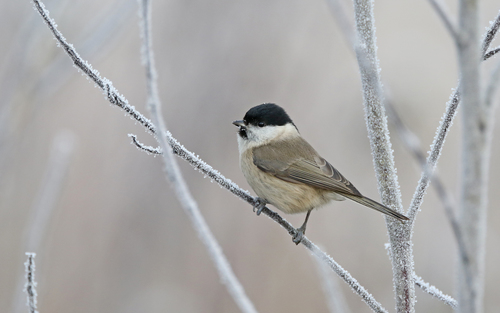
Marsh Tit (Poecile palustris) Marsh Tit
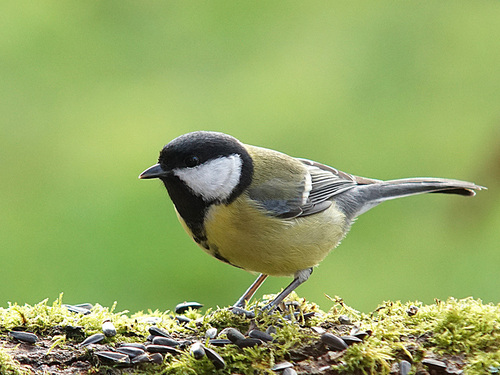
Great Tit (Parus major) Great Tit

Media

Loading…

In short

The Marsh Tit and Great Tit can be distinguished by their size and head markings. The Marsh Tit is smaller with a black cap and a less prominent white cheek patch, while the Great Tit is larger with a striking black head and large white facial patch. Both species are found in similar habitats, but their vocalizations and behavior offer additional clues for identification.

Identification tips

  1. Size: Note the smaller size of the Marsh Tit. 2. Head markings: Look for the less prominent white cheek patch on the Marsh Tit. 3. Vocalizations: Listen for the Marsh Tit's 'pitchoo' compared to the Great Tit's variable song. 4. Behavior: Observe feeding habits; Great Tits are more likely to visit feeders. 5. Habitat: Consider the setting; Great Tits are more common in urban areas.

Size

The Marsh Tit is smaller and more compact compared to the larger and more robust Great Tit.

Plumage

The Marsh Tit has a black cap with a subtle white cheek patch, whereas the Great Tit features a black head with a large, bold white facial patch and yellow underparts.

Behaviour

Both species are active and often seen in mixed flocks, but the Great Tit is more likely to be found using artificial nest boxes and visiting garden feeders.

Habitat

Both species inhabit woodlands and woodland edges, but the Great Tit is more adaptable to urban and modified landscapes.

Voice

The Marsh Tit has a distinctive 'pitchoo' call, while the Great Tit's song is variable but often a repetitive 'teacher-teacher'.

Submit a better description

Use the same sections as the comparison. Your text is published immediately.

The Marsh Tit and Great Tit can be distinguished by their size and head markings. The Marsh Tit is smaller with a black cap and a less prominent white cheek patch, while the Great Tit is larger with a striking black head and large white facial patch. Both species are found in similar habitats, but their vocalizations and behavior offer additional clues for identification.

  1. Size: Note the smaller size of the Marsh Tit. 2. Head markings: Look for the less prominent white cheek patch on the Marsh Tit. 3. Vocalizations: Listen for the Marsh Tit's 'pitchoo' compared to the Great Tit's variable song. 4. Behavior: Observe feeding habits; Great Tits are more likely to visit feeders. 5. Habitat: Consider the setting; Great Tits are more common in urban areas.

The Marsh Tit is smaller and more compact compared to the larger and more robust Great Tit.

The Marsh Tit has a black cap with a subtle white cheek patch, whereas the Great Tit features a black head with a large, bold white facial patch and yellow underparts.

Both species are active and often seen in mixed flocks, but the Great Tit is more likely to be found using artificial nest boxes and visiting garden feeders.

Both species inhabit woodlands and woodland edges, but the Great Tit is more adaptable to urban and modified landscapes.

The Marsh Tit has a distinctive 'pitchoo' call, while the Great Tit's song is variable but often a repetitive 'teacher-teacher'.

Discard your changes?

You have unsaved edits. If you leave now, those changes will be lost.

Marsh Tit · Great Tit · My Tricky Birds