Birdr

Monk Parakeet vs Burrowing Parakeet

Myiopsitta monachus versus Cyanoliseus patagonus

Play a quiz with Monk Parakeet and Burrowing Parakeet
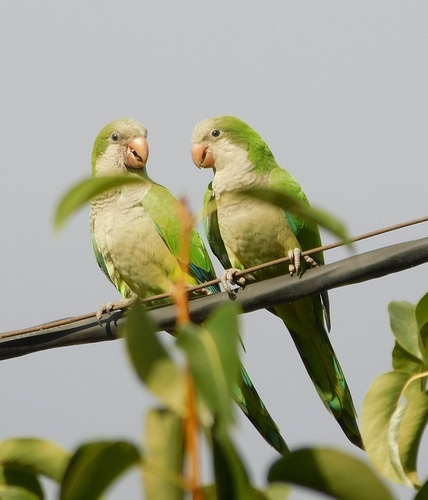
Monk Parakeet (Myiopsitta monachus) Monk Parakeet
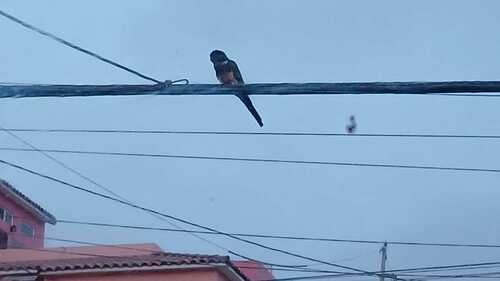
Burrowing Parakeet (Cyanoliseus patagonus) Burrowing Parakeet

Media

Loading…

In short

The Monk Parakeet and Burrowing Parakeet can be distinguished by their nesting habits and plumage. Monk Parakeets are known for their unique stick nests built on structures, while Burrowing Parakeets excavate burrows in cliffs. Plumage differences include the Monk Parakeet's predominantly green body with a grayish face, contrasting with the Burrowing Parakeet's more varied coloration, including a brownish back and yellow chest.

Identification tips

  1. Nesting Behavior: Look for Monk Parakeets' stick nests on structures versus Burrowing Parakeets' cliff burrows. 2. Plumage: Note the Monk Parakeet's grayish face and green body compared to the Burrowing Parakeet's brownish back and yellow chest. 3. Habitat: Observe the environment; Monk Parakeets are often in urban areas, while Burrowing Parakeets are in open areas with cliffs.

Size

Both species are similar in size, but the Burrowing Parakeet is slightly larger and more robust.

Plumage

Monk Parakeets have a green body with a grayish face and chest, while Burrowing Parakeets display a more varied plumage with a brownish back, yellow chest, and blue on the wings.

Behaviour

Monk Parakeets are known for building large communal stick nests, often on man-made structures. In contrast, Burrowing Parakeets dig burrows in cliffs for nesting, often forming large colonies.

Habitat

Monk Parakeets are adaptable and often found in urban areas, building nests on utility structures. Burrowing Parakeets prefer open areas with cliffs for nesting, often near rivers or the ocean.

Voice

Both species are vocal, but specific call differences are not well-documented here. Monk Parakeets are known for their loud, chattering calls.

Submit a better description

Use the same sections as the comparison. Your text is published immediately.

The Monk Parakeet and Burrowing Parakeet can be distinguished by their nesting habits and plumage. Monk Parakeets are known for their unique stick nests built on structures, while Burrowing Parakeets excavate burrows in cliffs. Plumage differences include the Monk Parakeet's predominantly green body with a grayish face, contrasting with the Burrowing Parakeet's more varied coloration, including a brownish back and yellow chest.

  1. Nesting Behavior: Look for Monk Parakeets' stick nests on structures versus Burrowing Parakeets' cliff burrows. 2. Plumage: Note the Monk Parakeet's grayish face and green body compared to the Burrowing Parakeet's brownish back and yellow chest. 3. Habitat: Observe the environment; Monk Parakeets are often in urban areas, while Burrowing Parakeets are in open areas with cliffs.

Both species are similar in size, but the Burrowing Parakeet is slightly larger and more robust.

Monk Parakeets have a green body with a grayish face and chest, while Burrowing Parakeets display a more varied plumage with a brownish back, yellow chest, and blue on the wings.

Monk Parakeets are known for building large communal stick nests, often on man-made structures. In contrast, Burrowing Parakeets dig burrows in cliffs for nesting, often forming large colonies.

Monk Parakeets are adaptable and often found in urban areas, building nests on utility structures. Burrowing Parakeets prefer open areas with cliffs for nesting, often near rivers or the ocean.

Both species are vocal, but specific call differences are not well-documented here. Monk Parakeets are known for their loud, chattering calls.

Discard your changes?

You have unsaved edits. If you leave now, those changes will be lost.

Monk Parakeet · Burrowing Parakeet · My Tricky Birds