Birdr

Olive Sparrow vs Green-backed Sparrow

Arremonops rufivirgatus versus Arremonops chloronotus

Play a quiz with Olive Sparrow and Green-backed Sparrow
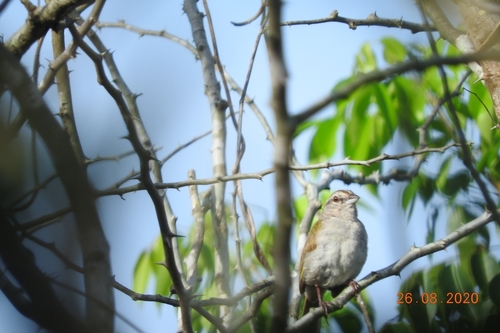
Olive Sparrow (Arremonops rufivirgatus) Olive Sparrow
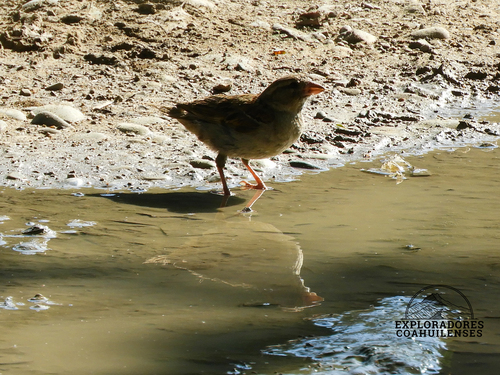
Green-backed Sparrow (Arremonops chloronotus) Green-backed Sparrow

Media

Loading…

In short

The Olive Sparrow and Green-backed Sparrow are similar in structure but differ in plumage and habitat preferences. The Olive Sparrow is generally more uniformly colored with a distinctive olive tone, while the Green-backed Sparrow has a more pronounced contrast between its green back and grayish underparts.

Identification tips

  1. Look for the Olive Sparrow's more uniform olive plumage. 2. Note the Green-backed Sparrow's contrasting green back and grayish underparts. 3. Consider habitat: Olive Sparrows in drier, open areas; Green-backed Sparrows in more forested, humid regions. 4. Listen for subtle differences in vocalizations if known.

Size

Both species are similar in size, typical of small sparrows.

Plumage

The Olive Sparrow has a more uniform olive coloration across its body, whereas the Green-backed Sparrow features a contrasting green back with grayer underparts. The Olive Sparrow's head is more uniformly colored, while the Green-backed Sparrow may show a more distinct facial pattern.

Behaviour

Both species exhibit typical sparrow behaviors, often foraging on the ground or in low vegetation.

Habitat

The Olive Sparrow is more commonly found in semiarid subtropical areas, while the Green-backed Sparrow prefers more humid, forested environments.

Voice

Vocalizations are not well-documented for both species, but they may differ subtly in song and call.

Submit a better description

Use the same sections as the comparison. Your text is published immediately.

The Olive Sparrow and Green-backed Sparrow are similar in structure but differ in plumage and habitat preferences. The Olive Sparrow is generally more uniformly colored with a distinctive olive tone, while the Green-backed Sparrow has a more pronounced contrast between its green back and grayish underparts.

  1. Look for the Olive Sparrow's more uniform olive plumage. 2. Note the Green-backed Sparrow's contrasting green back and grayish underparts. 3. Consider habitat: Olive Sparrows in drier, open areas; Green-backed Sparrows in more forested, humid regions. 4. Listen for subtle differences in vocalizations if known.

Both species are similar in size, typical of small sparrows.

The Olive Sparrow has a more uniform olive coloration across its body, whereas the Green-backed Sparrow features a contrasting green back with grayer underparts. The Olive Sparrow's head is more uniformly colored, while the Green-backed Sparrow may show a more distinct facial pattern.

Both species exhibit typical sparrow behaviors, often foraging on the ground or in low vegetation.

The Olive Sparrow is more commonly found in semiarid subtropical areas, while the Green-backed Sparrow prefers more humid, forested environments.

Vocalizations are not well-documented for both species, but they may differ subtly in song and call.

Discard your changes?

You have unsaved edits. If you leave now, those changes will be lost.

Olive Sparrow · Green-backed Sparrow · My Tricky Birds